

Off-Plan Properties for Sale in Dubai, Abu Dhabi & The UAE
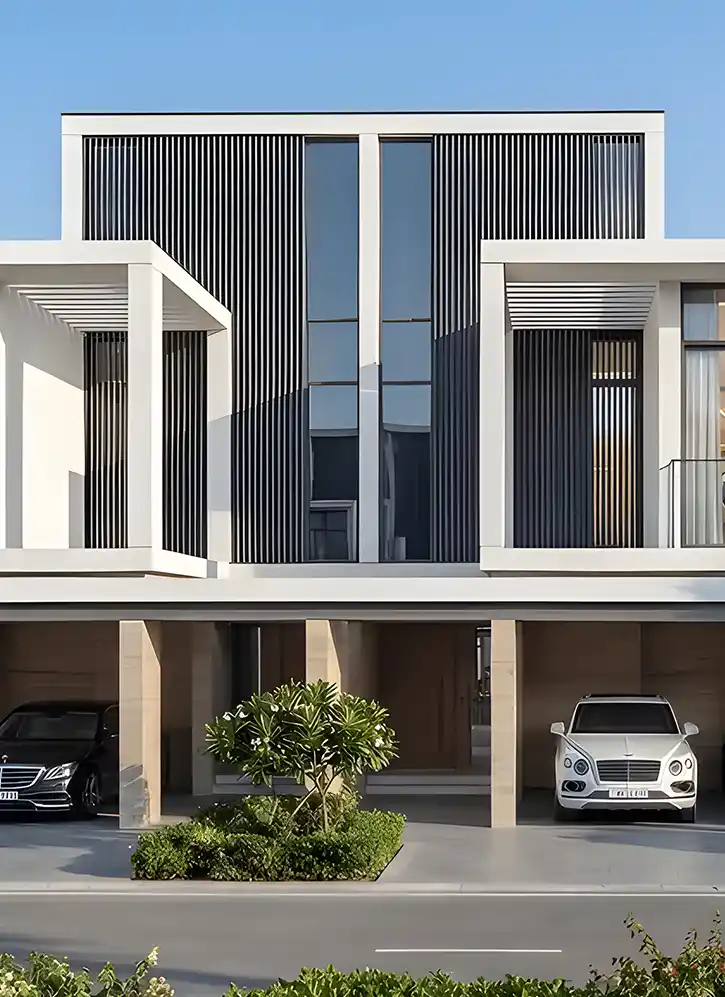
 Dubai
Dubai
From 3 990 000 AED (1 086 500 $)
Handover: Q3 2029
Developer: Sobha Realty
Area: Sobha Sanctuary


3990000
1787785875000
Dubai
From 3 990 000 AED (1 086 500 $)
Handover: Q3 2029
Developer: Sobha Realty
Area: Sobha Sanctuary
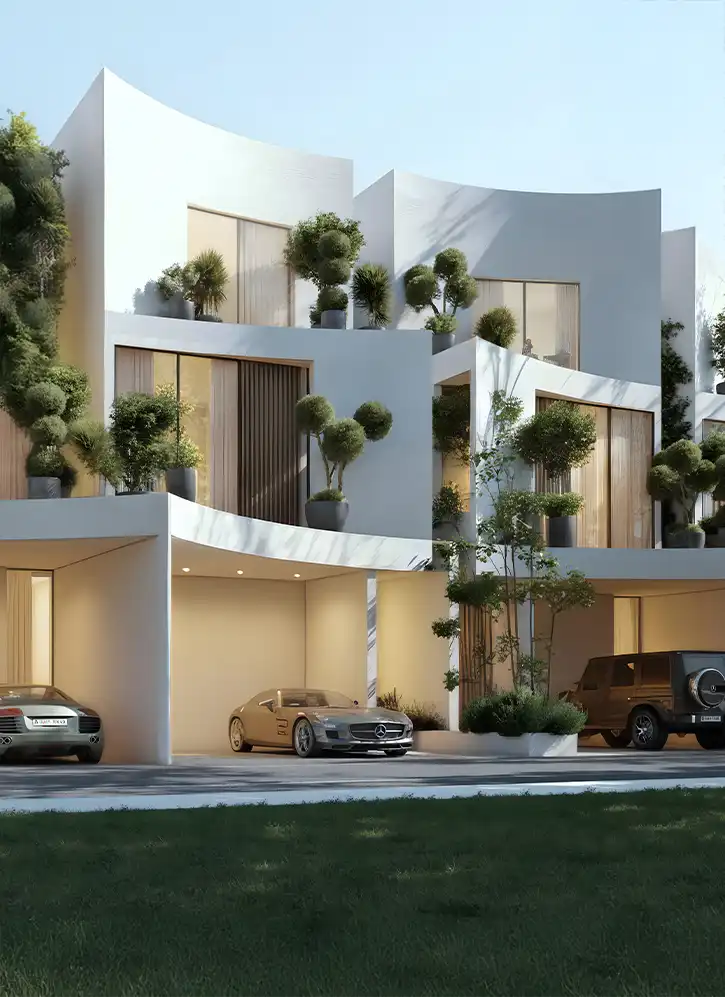
Dubai
From 5 000 000 AED (1 361 500 $)
Handover: Q4 2029
Developer: Zaya
Area: Jebel Ali Village
5000000
1771728147000
Dubai
From 5 000 000 AED (1 361 500 $)
Handover: Q4 2029
Developer: Zaya
Area: Jebel Ali Village
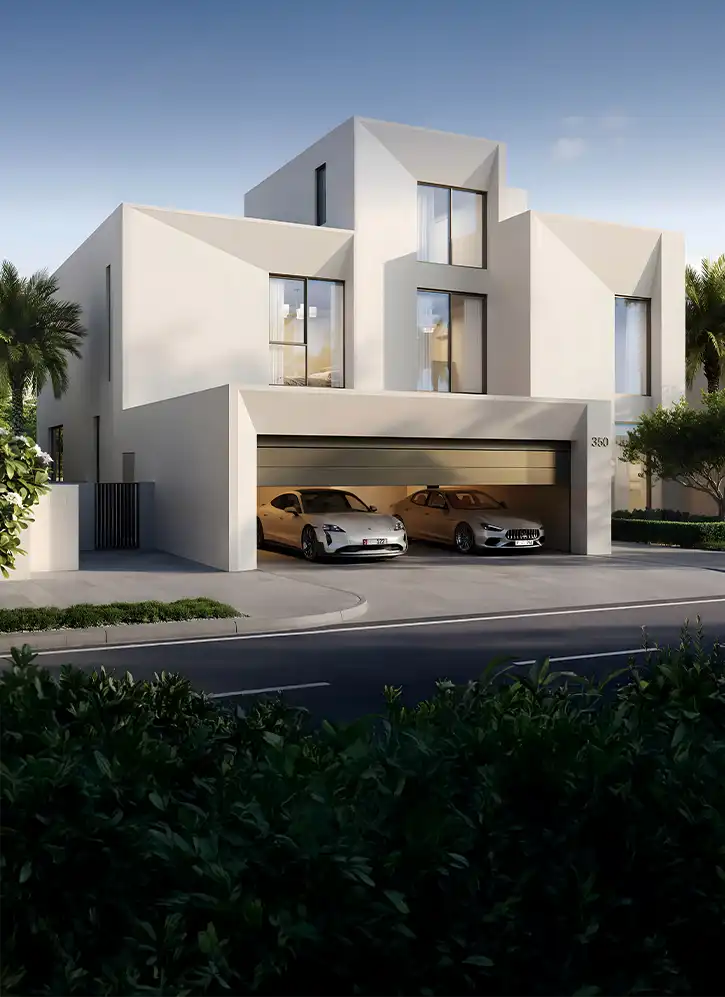
Dubai
From 16 500 000 AED (4 492 900 $)
Handover: Q1 2029
Developer: Emaar Properties
Area: Emaar The Oasis

16500000
1769726277000
Dubai
From 16 500 000 AED (4 492 900 $)
Handover: Q1 2029
Developer: Emaar Properties
Area: Emaar The Oasis
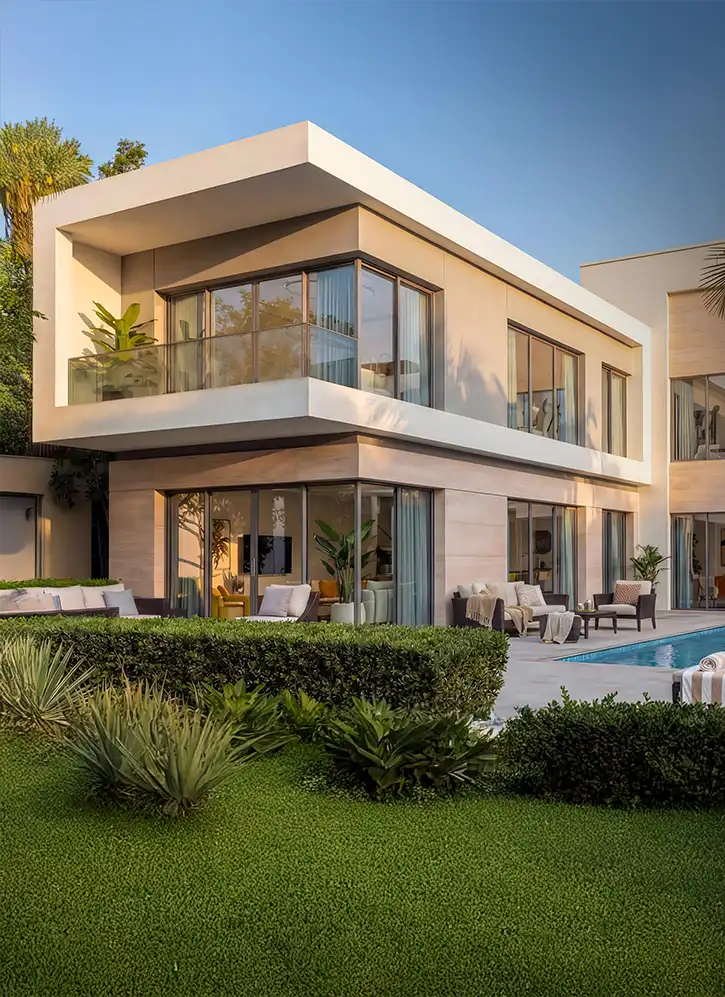
Dubai
From 9 320 000 AED (2 537 800 $)
Handover: Q3 2029
Developer: Sobha Realty
Area: Sobha Sanctuary
9320000
1769726274000
Dubai
From 9 320 000 AED (2 537 800 $)
Handover: Q3 2029
Developer: Sobha Realty
Area: Sobha Sanctuary
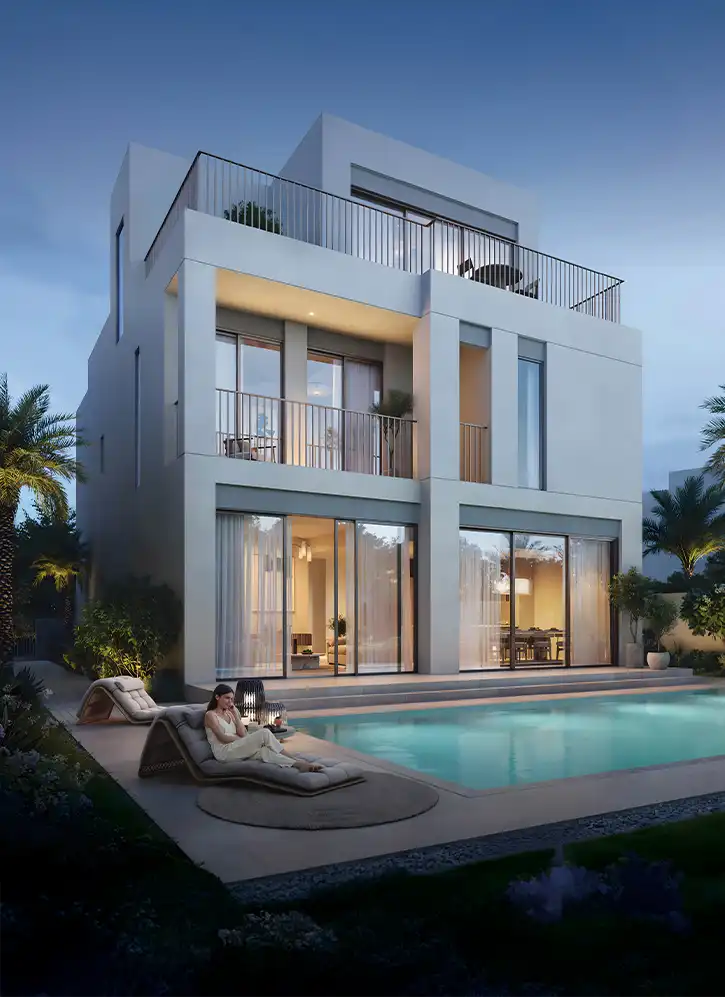
Dubai
From 6 500 000 AED (1 769 900 $)
Handover: Q3 2030
Developer: Emaar Properties
Area: The Heights Country Club & Wellness
6500000
1769383099000
Dubai
From 6 500 000 AED (1 769 900 $)
Handover: Q3 2030
Developer: Emaar Properties
Area: The Heights Country Club & Wellness
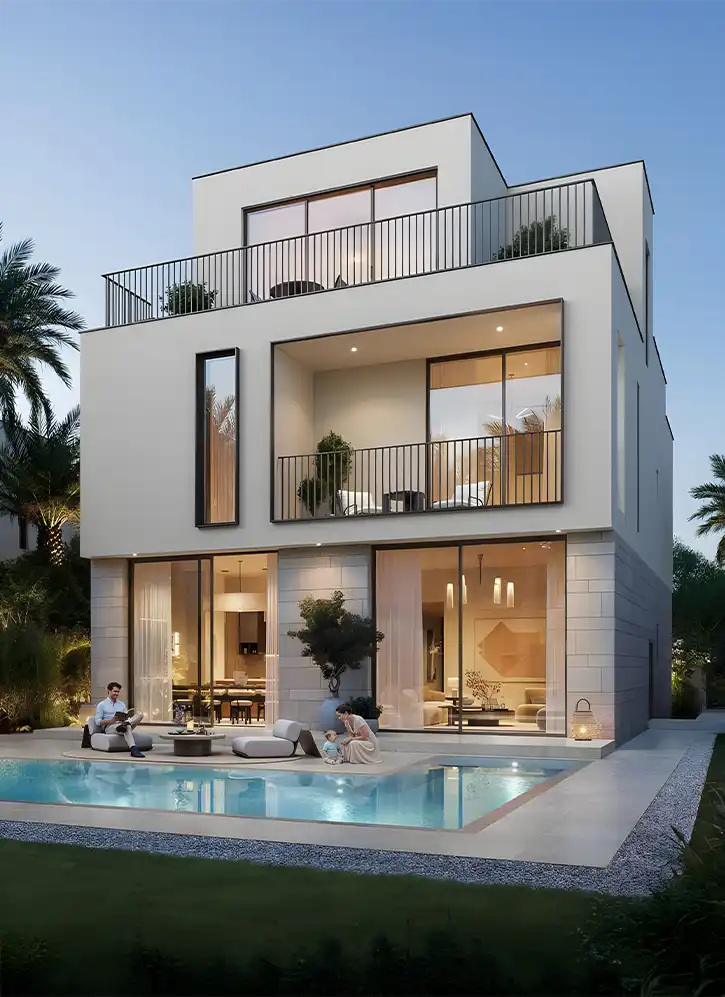
Dubai
From 6 500 000 AED (1 769 900 $)
Handover: Q1 2030
Developer: Emaar Properties
Area: The Heights Country Club & Wellness
6500000
1769383097000
Dubai
From 6 500 000 AED (1 769 900 $)
Handover: Q1 2030
Developer: Emaar Properties
Area: The Heights Country Club & Wellness
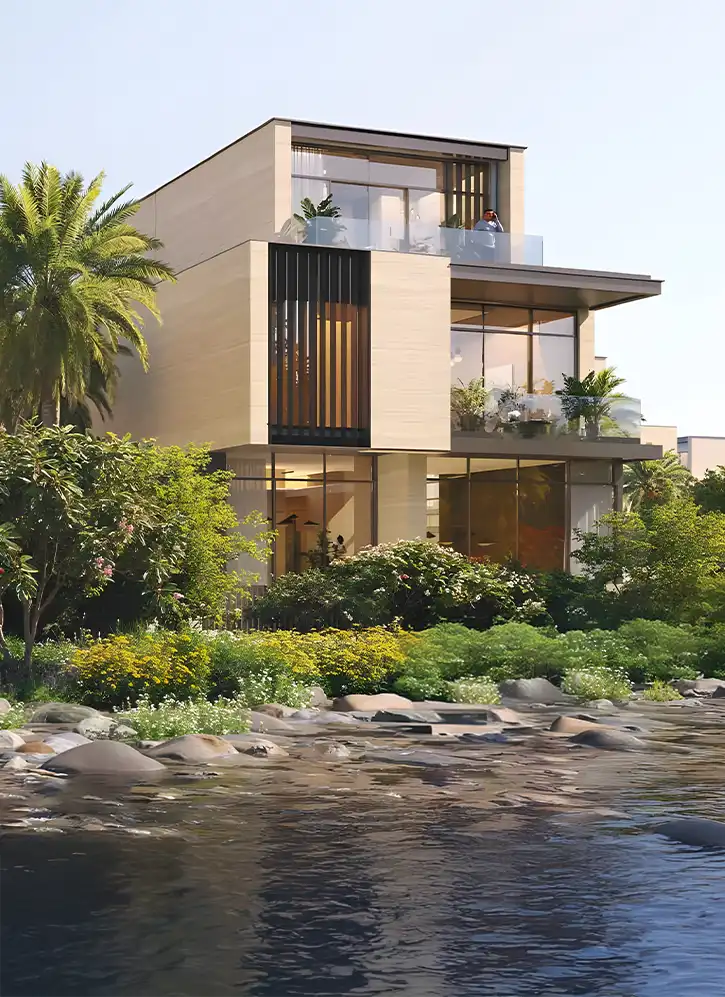
Dubai
From 3 900 000 AED (1 061 900 $)
Handover: Q4 2028
Developer: BT Properties
Area: Dubai South

3900000
1769022326000
Dubai
From 3 900 000 AED (1 061 900 $)
Handover: Q4 2028
Developer: BT Properties
Area: Dubai South
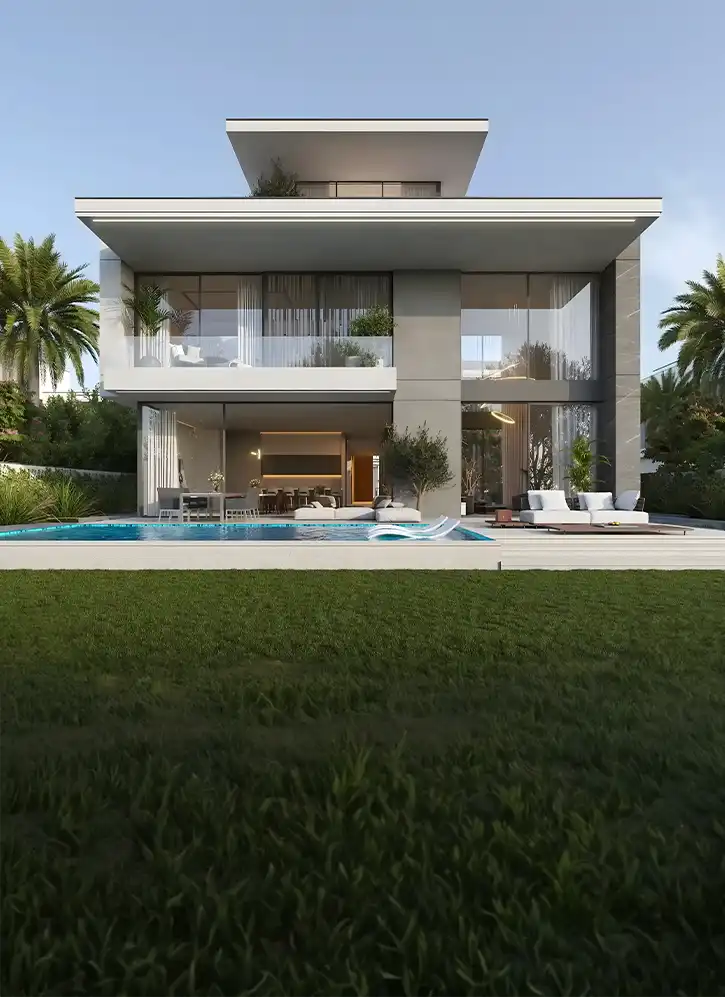
Dubai
From 12 230 000 AED (3 330 200 $)
Handover: Q1 2030
Developer: Wasl
Area: Jumeirah Golf Estates

12230000
1767177592000
Dubai
From 12 230 000 AED (3 330 200 $)
Handover: Q1 2030
Developer: Wasl
Area: Jumeirah Golf Estates

Dubai
From 26 000 000 AED (7 079 600 $)
Handover: Q1 2030
Developer: Al Ghurair Properties
Area: Business Bay
26000000
1765849506000
Dubai
From 26 000 000 AED (7 079 600 $)
Handover: Q1 2030
Developer: Al Ghurair Properties
Area: Business Bay
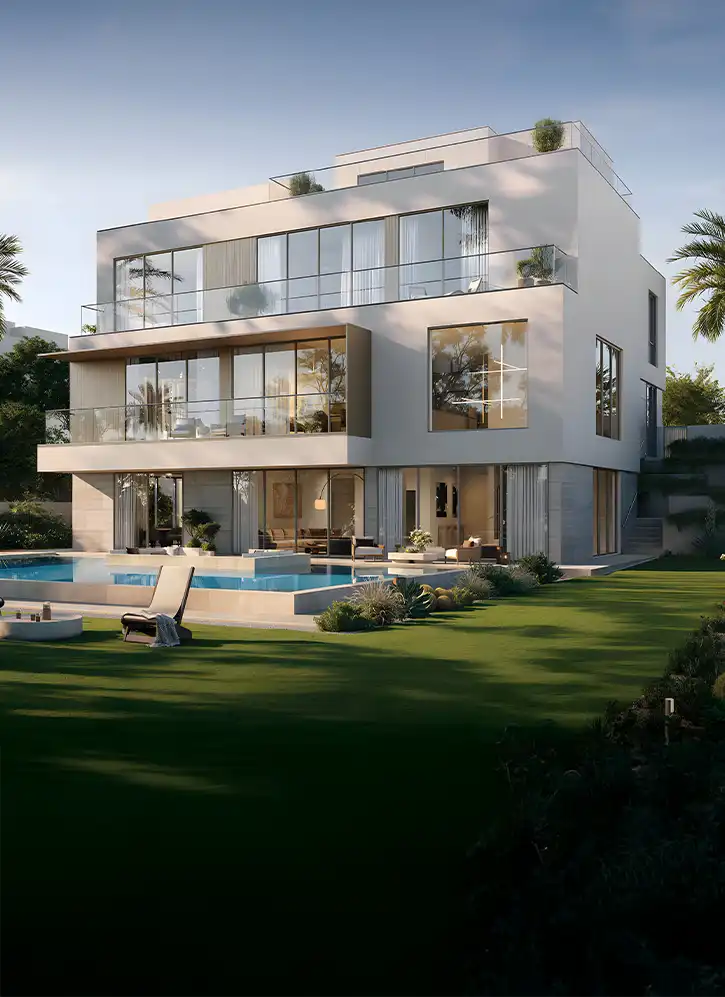
Dubai
From 13 470 000 AED (3 667 800 $)
Handover: Q1 2030
Developer: Emaar Properties
Area: Emaar The Oasis
13470000
1765353188000
Dubai
From 13 470 000 AED (3 667 800 $)
Handover: Q1 2030
Developer: Emaar Properties
Area: Emaar The Oasis
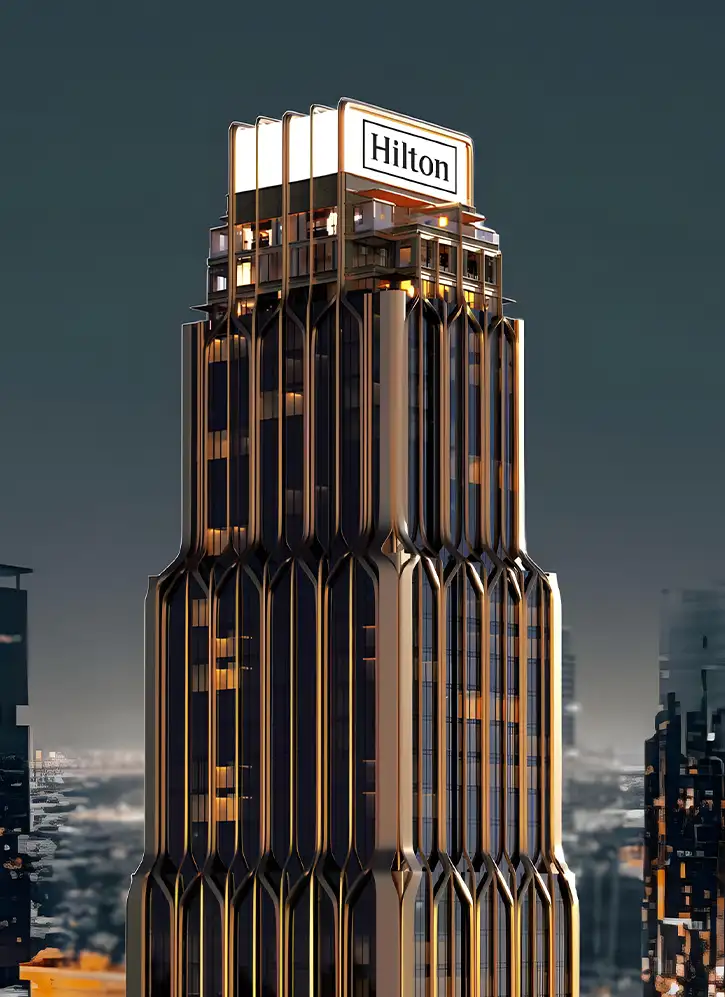
Dubai
From 1 150 000 AED (313 100 $)
Handover: Q3 2027
Developer: Emirates Developments
Area: Jumeirah Lake Towers (JLT)
1150000
1764280103000
Dubai
From 1 150 000 AED (313 100 $)
Handover: Q3 2027
Developer: Emirates Developments
Area: Jumeirah Lake Towers (JLT)
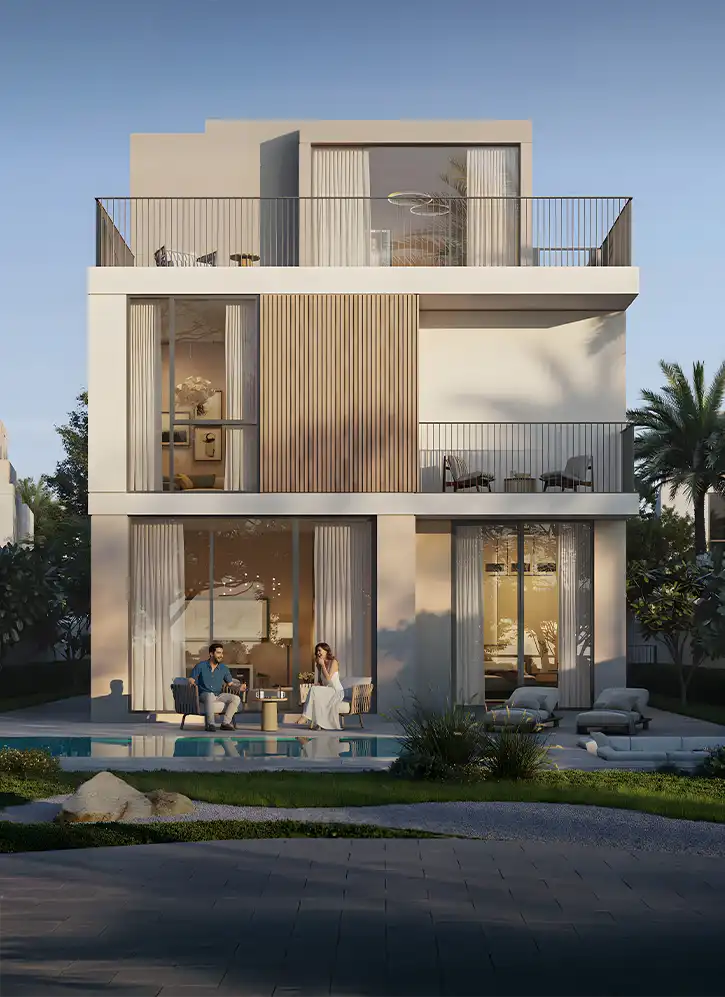
Dubai
From 7 090 000 AED (1 930 600 $)
Handover: Q4 2029
Developer: Emaar Properties
Area: Emaar The Valley
7090000
1763703864000
Dubai
From 7 090 000 AED (1 930 600 $)
Handover: Q4 2029
Developer: Emaar Properties
Area: Emaar The Valley
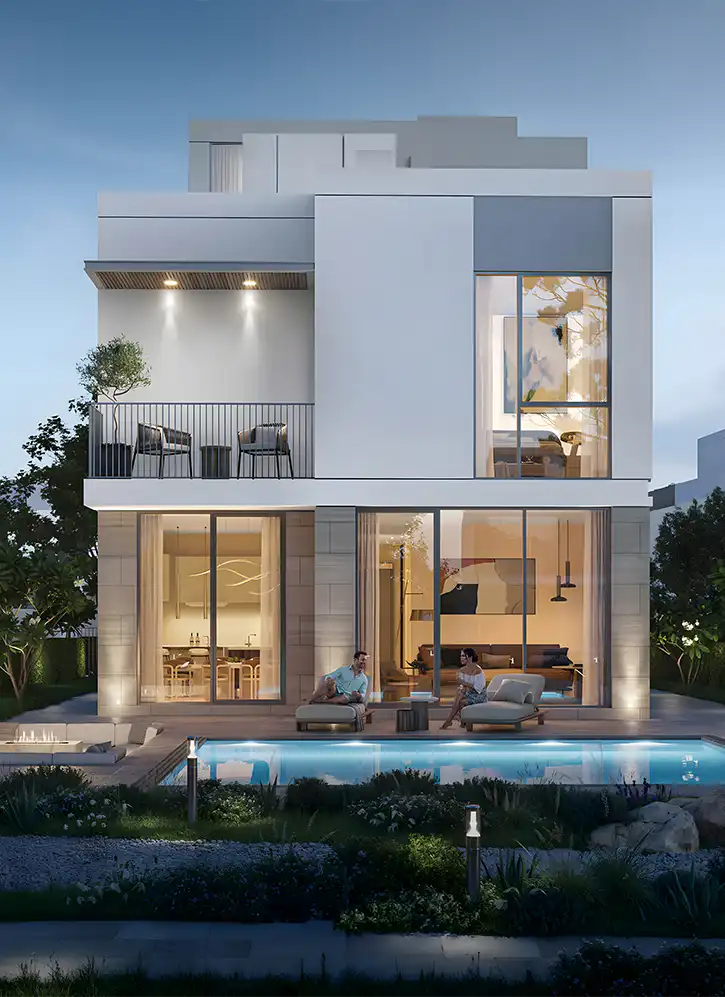
Dubai
From 7 250 000 AED (1 974 100 $)
Handover: Q4 2029
Developer: Emaar Properties
Area: Emaar The Valley
7250000
1763703862000
Dubai
From 7 250 000 AED (1 974 100 $)
Handover: Q4 2029
Developer: Emaar Properties
Area: Emaar The Valley
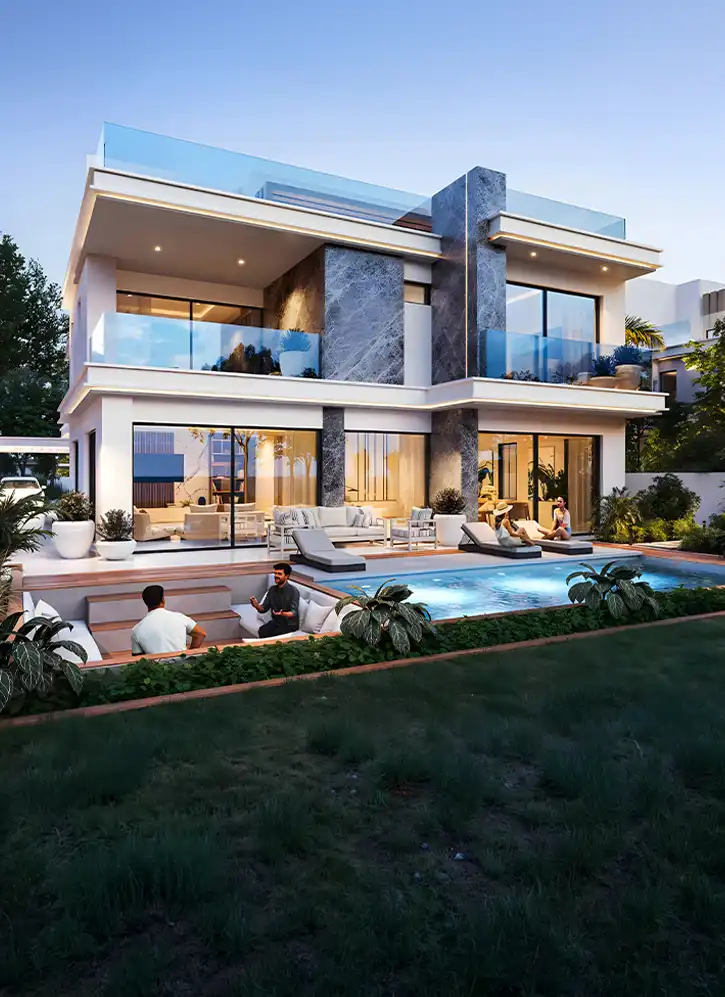

2750000
1763474276000
Dubai
From 2 750 000 AED (748 800 $)
Handover: Q2 2030
Developer: DAMAC
Area: Dubailand
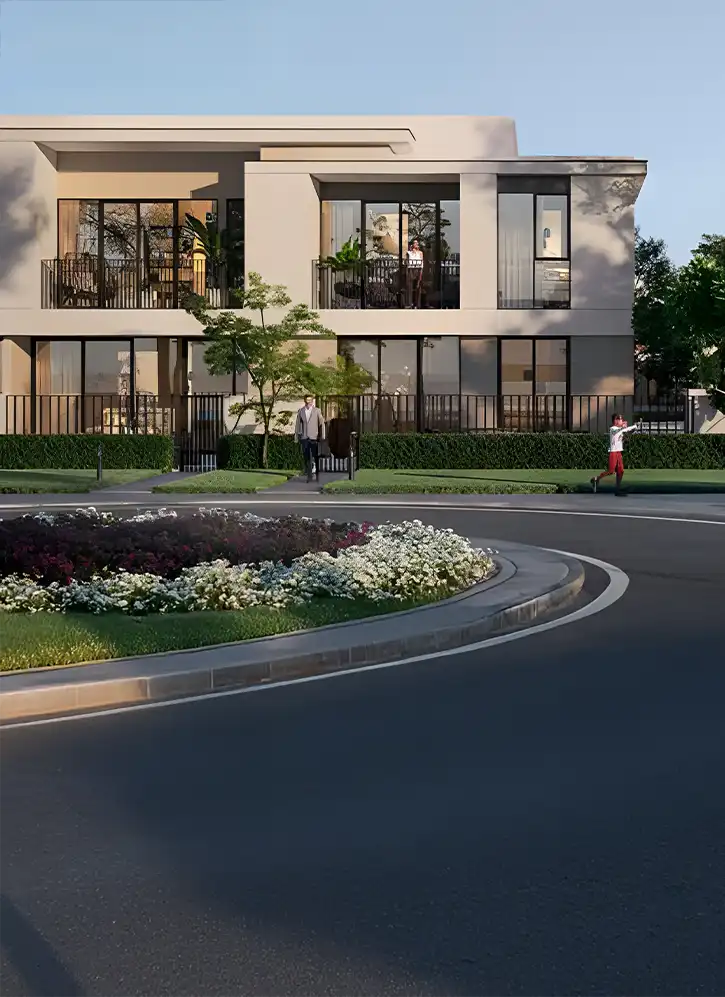
Dubai
From 3 700 000 AED (1 007 500 $)
Handover: Q3 2029
Developer: Emaar Properties
Area: Dubai Investments Park
3700000
1762675647000
Dubai
From 3 700 000 AED (1 007 500 $)
Handover: Q3 2029
Developer: Emaar Properties
Area: Dubai Investments Park
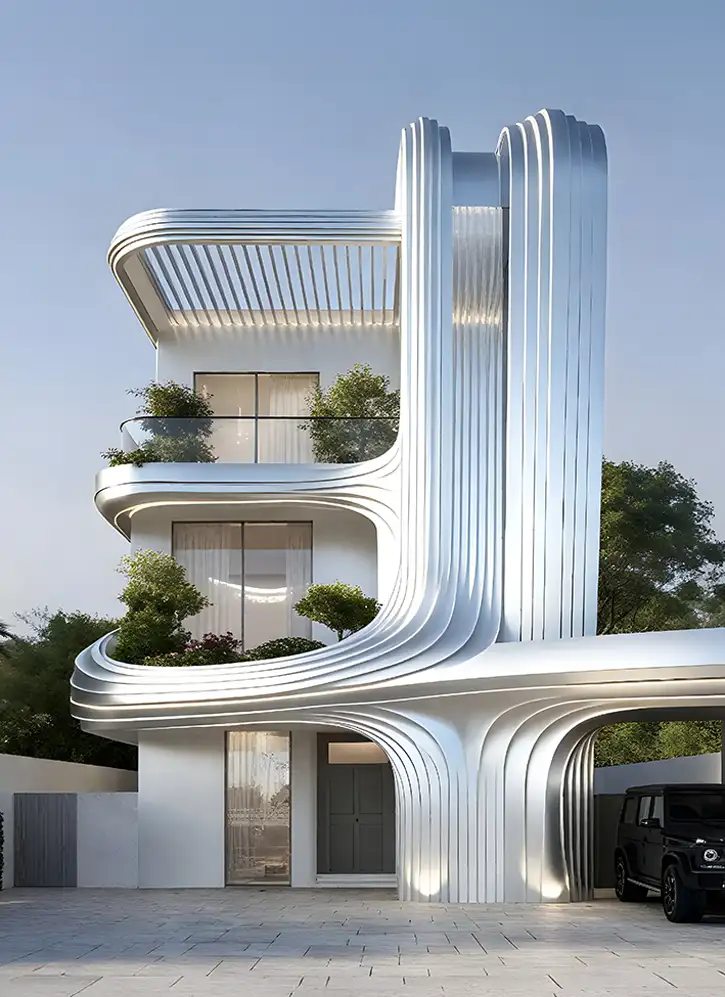
Dubai
From 3 600 000 AED (980 100 $)
Handover: Q4 2028
Developer: Leos Developments
Area: Umm Al Daman

3600000
1760111770000
Dubai
From 3 600 000 AED (980 100 $)
Handover: Q4 2028
Developer: Leos Developments
Area: Umm Al Daman
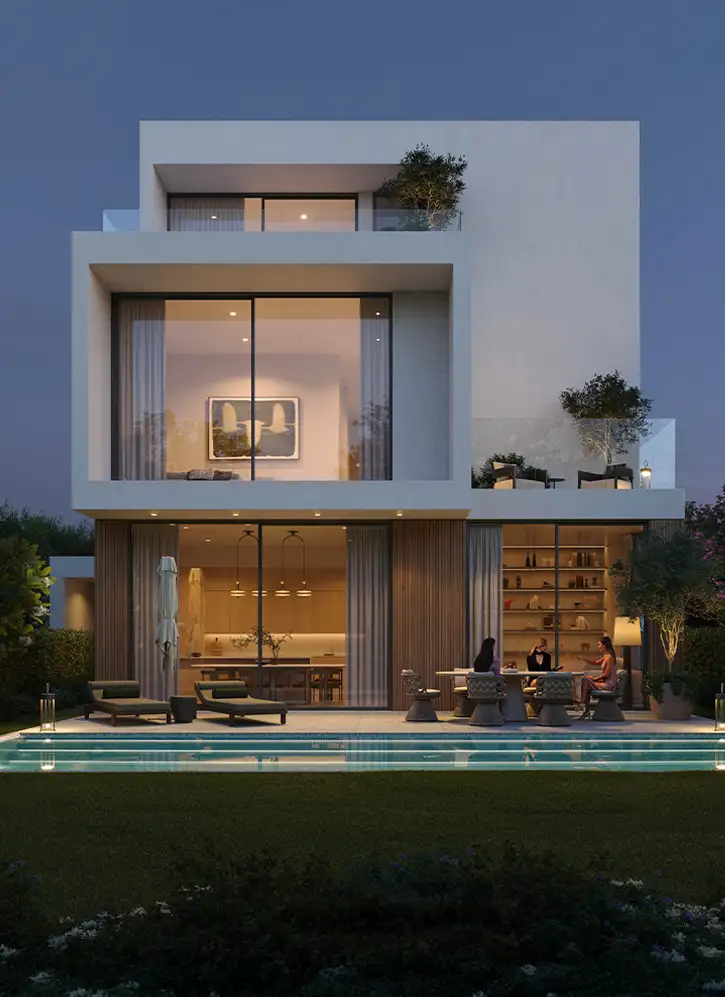
Dubai
From 7 880 000 AED (2 145 700 $)
Handover: Q2 2029
Developer: Emaar Properties
Area: Dubai Investments Park
7880000
1757304101000
Dubai
From 7 880 000 AED (2 145 700 $)
Handover: Q2 2029
Developer: Emaar Properties
Area: Dubai Investments Park
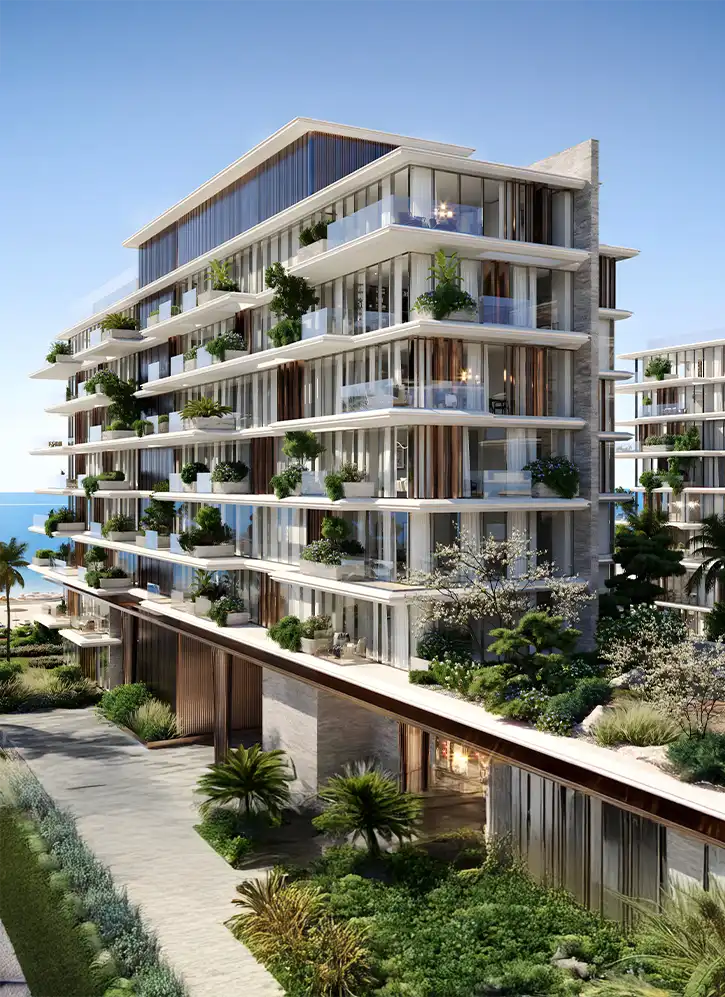
Dubai
From 3 100 000 AED (844 100 $)
Handover: Q2 2028
Developer: Avenew Development
Area: Dubai Islands

3100000
1756861835000
Dubai
From 3 100 000 AED (844 100 $)
Handover: Q2 2028
Developer: Avenew Development
Area: Dubai Islands
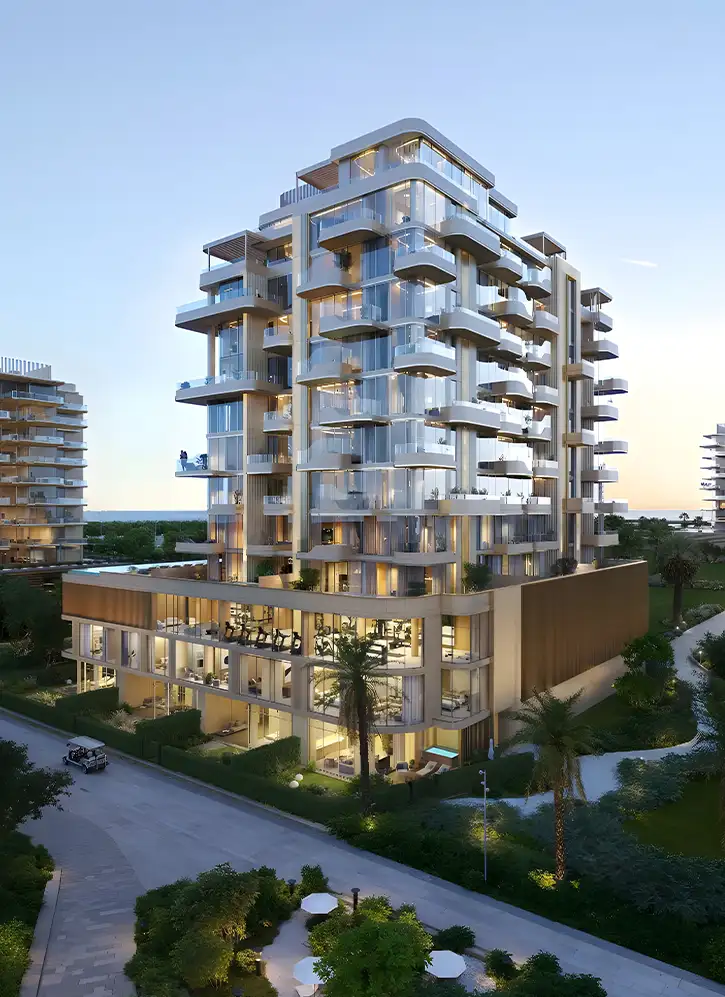
Dubai
From 1 400 000 AED (381 200 $)
Handover: Q1 2027
Developer: Well Concept Real Estate
Area: Dubai Islands
1400000
1756663825000
Dubai
From 1 400 000 AED (381 200 $)
Handover: Q1 2027
Developer: Well Concept Real Estate
Area: Dubai Islands
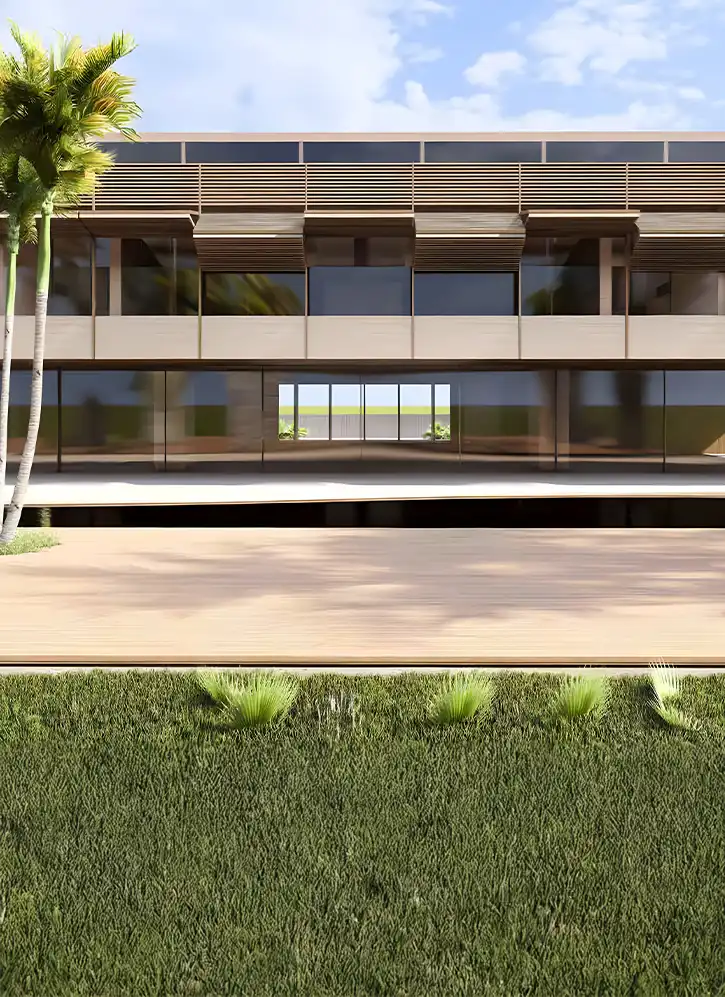
Dubai
From 130 000 000 AED (35 393 000 $)
Handover: Q1 2026
Developer: Lamar Development
Area: Jumeirah Bay
130000000
1755183810000
Dubai
From 130 000 000 AED (35 393 000 $)
Handover: Q1 2026
Developer: Lamar Development
Area: Jumeirah Bay
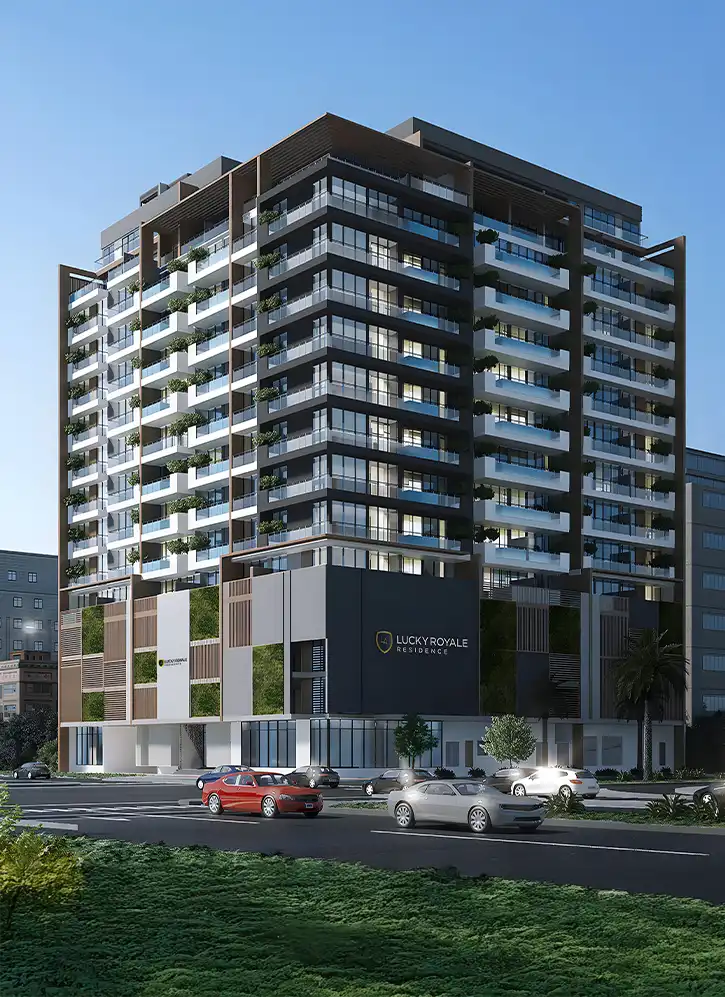
Dubai
From 590 000 AED (160 600 $)
Handover: Q1 2026
Developer: Lucky Aeon Real Estate
Area: Jumeirah Village Circle (JVC)
590000
1751508331000
Dubai
From 590 000 AED (160 600 $)
Handover: Q1 2026
Developer: Lucky Aeon Real Estate
Area: Jumeirah Village Circle (JVC)
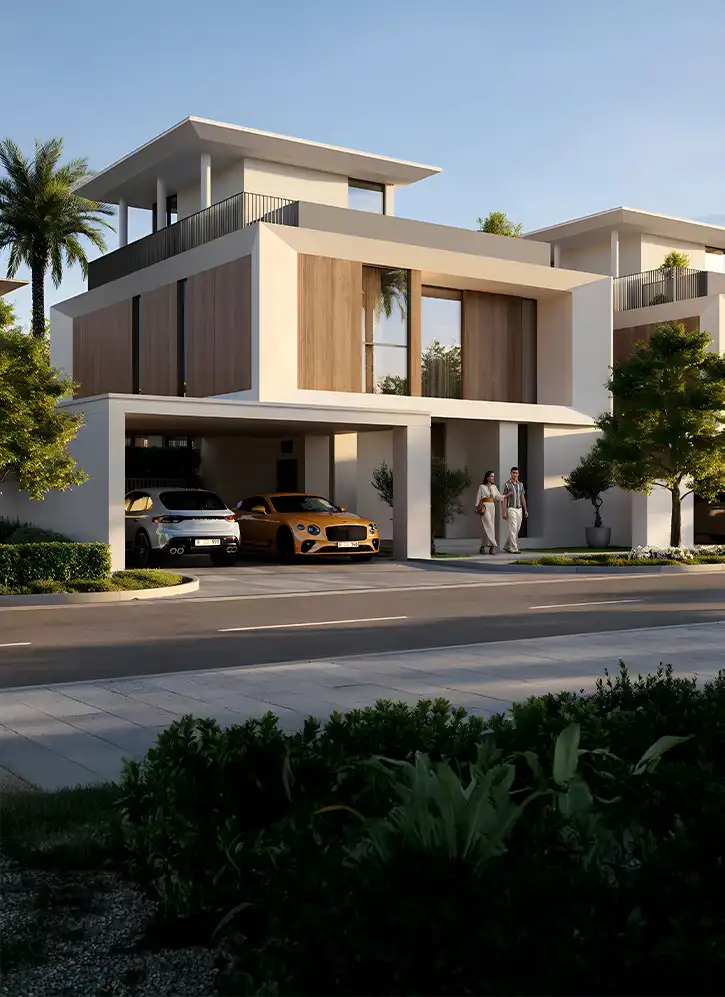
Dubai
From 6 200 000 AED (1 688 200 $)
Handover: Q2 2029
Developer: Emaar Properties
Area: Dubai Investments Park
6200000
1751068249000
Dubai
From 6 200 000 AED (1 688 200 $)
Handover: Q2 2029
Developer: Emaar Properties
Area: Dubai Investments Park
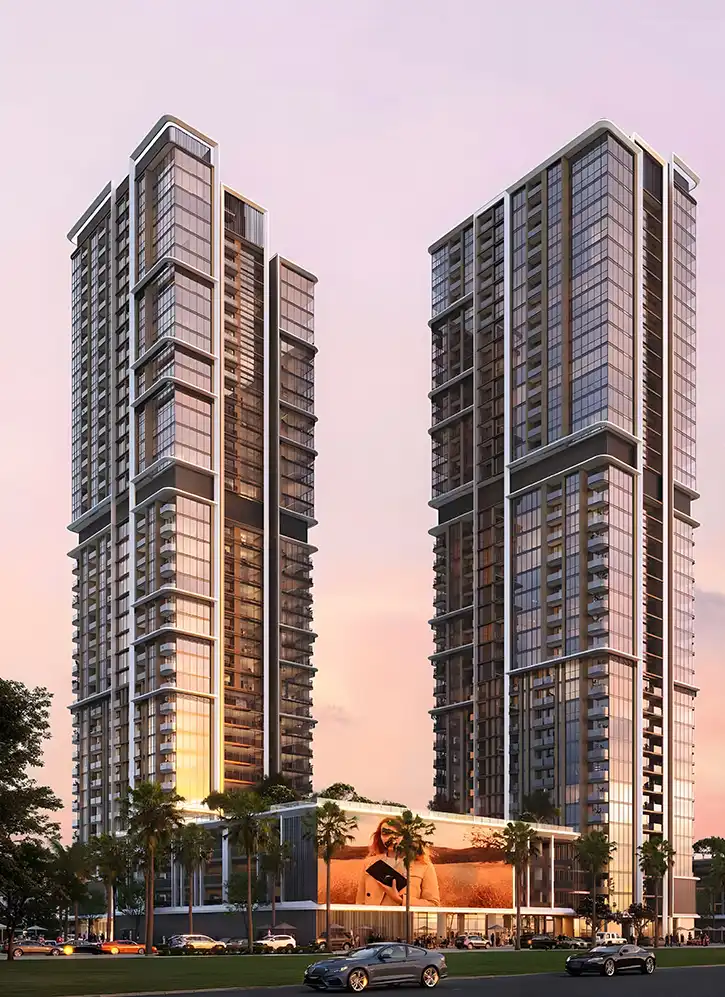
Dubai
From 460 000 AED (125 300 $)
Handover: Q4 2028
Developer: BT Properties
Area: Dubai South
460000
1749694714000
Dubai
From 460 000 AED (125 300 $)
Handover: Q4 2028
Developer: BT Properties
Area: Dubai South
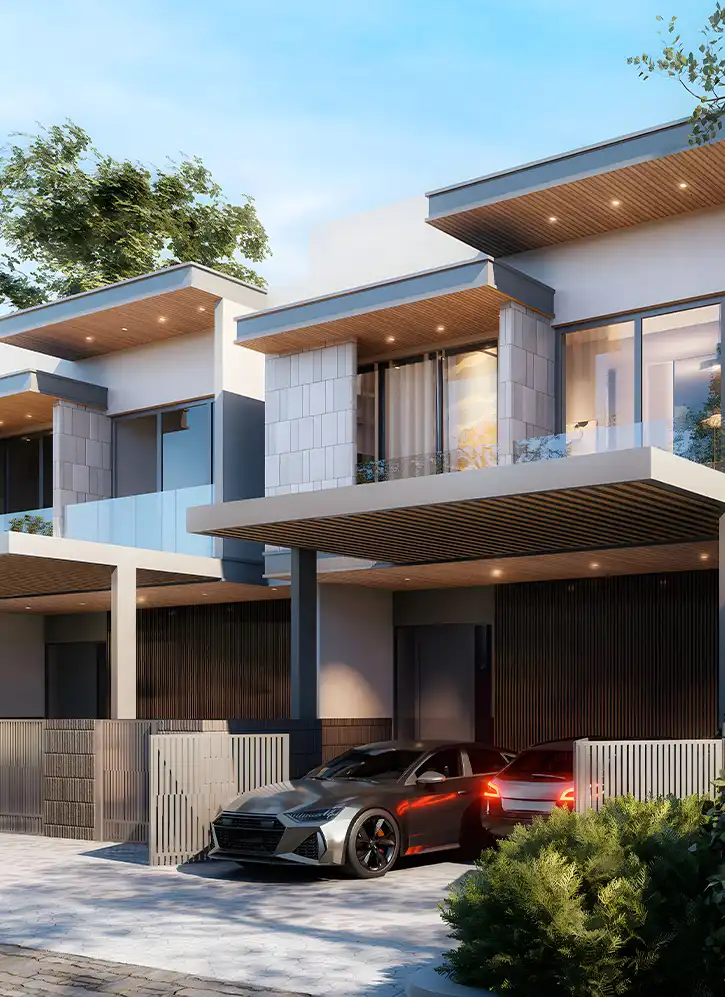
Dubai
From 5 600 000 AED (1 524 700 $)
Handover: Q4 2028
Developer: Wasl
Area: Jumeirah Golf Estates
5600000
1748649707000
Dubai
From 5 600 000 AED (1 524 700 $)
Handover: Q4 2028
Developer: Wasl
Area: Jumeirah Golf Estates
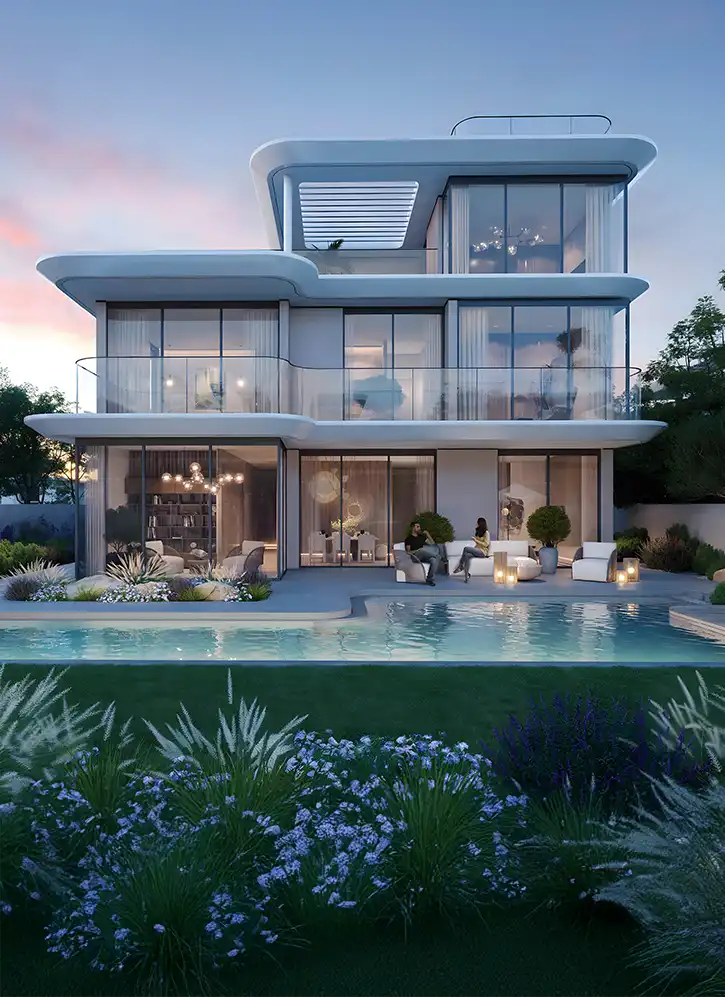
Dubai
From 14 120 000 AED (3 844 300 $)
Handover: Q1 2027
Developer: Emaar Properties
Area: Dubai Hills Estate
14120000
1748467930000
Dubai
From 14 120 000 AED (3 844 300 $)
Handover: Q1 2027
Developer: Emaar Properties
Area: Dubai Hills Estate
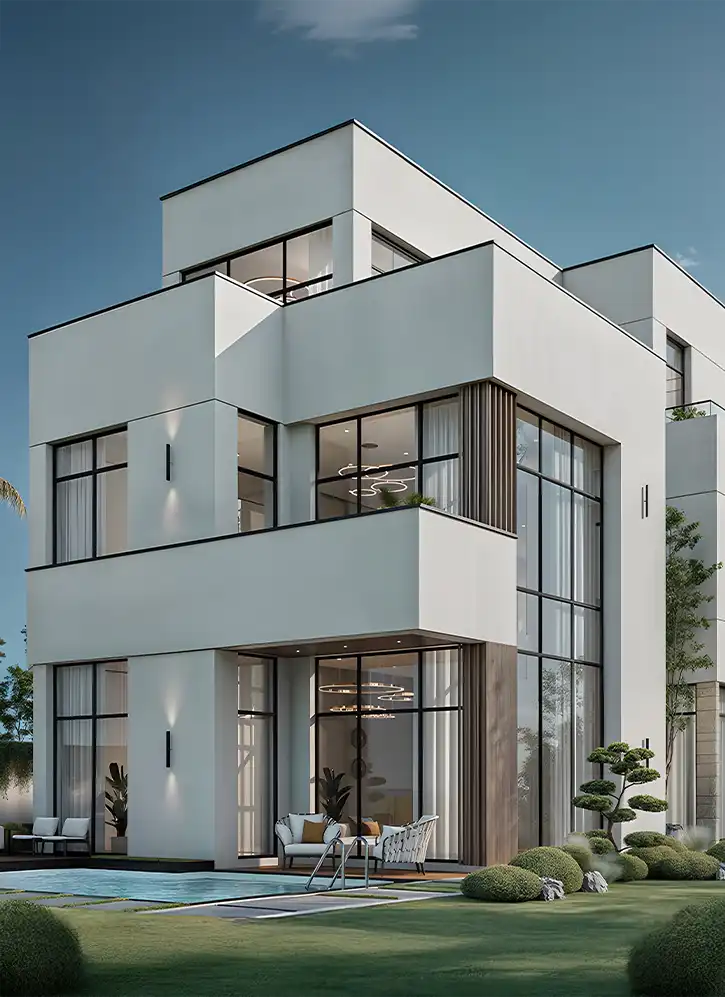
Dubai
From 9 160 000 AED (2 493 800 $)
Handover: Q2 2027
Developer: Swank Development
Area: MBR City
9160000
1745519990000
Dubai
From 9 160 000 AED (2 493 800 $)
Handover: Q2 2027
Developer: Swank Development
Area: MBR City
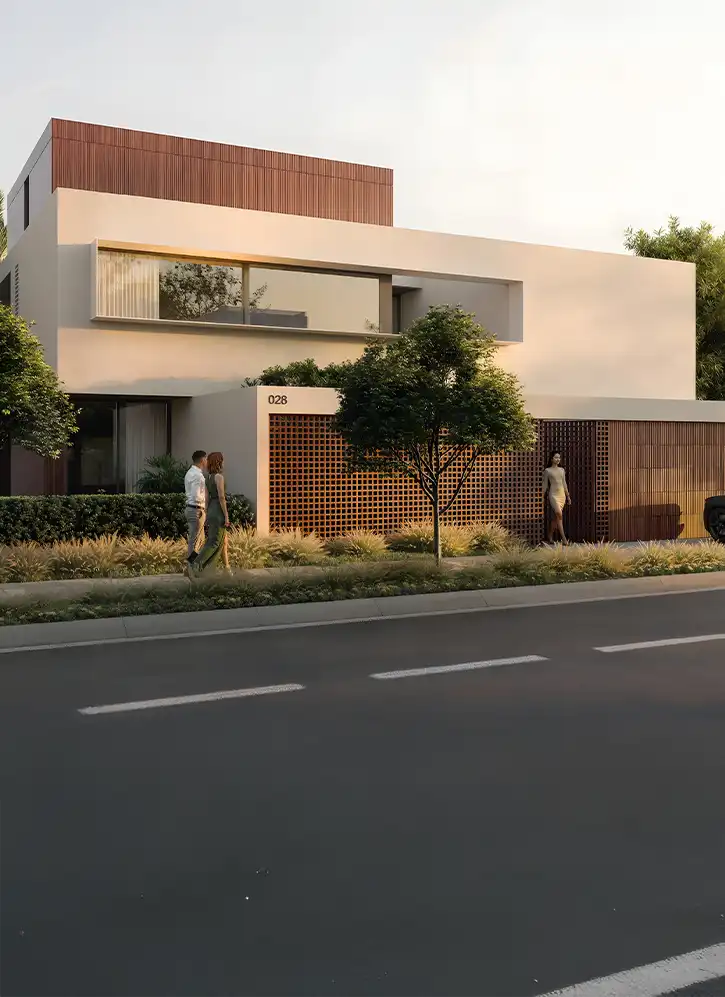
Dubai
From 5 670 000 AED (1 543 700 $)
Handover: Q2 2029
Developer: Emaar Properties
Area: Dubai Investments Park
5670000
1745501135000
Dubai
From 5 670 000 AED (1 543 700 $)
Handover: Q2 2029
Developer: Emaar Properties
Area: Dubai Investments Park
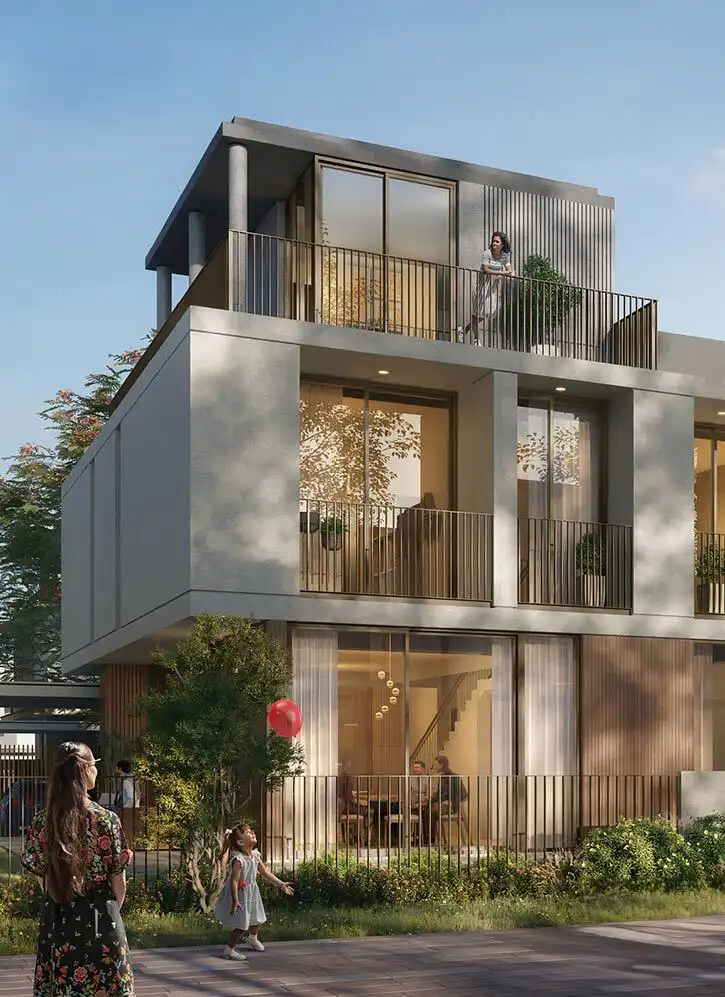
Dubai
From 4 780 000 AED (1 301 400 $)
Handover: Q2 2029
Developer: Emaar Properties
Area: Emaar The Valley
4780000
1744760671000
Dubai
From 4 780 000 AED (1 301 400 $)
Handover: Q2 2029
Developer: Emaar Properties
Area: Emaar The Valley
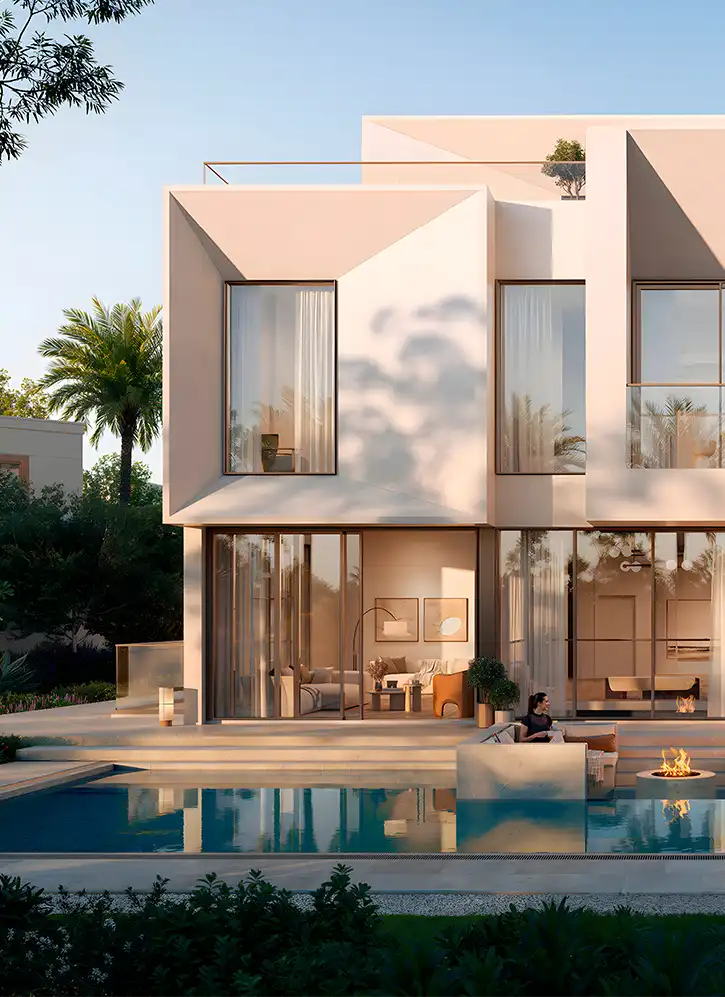
Dubai
From 13 130 000 AED (3 574 700 $)
Handover: Q3 2029
Developer: Emaar Properties
Area: Emaar The Oasis
13130000
1742514668000
Dubai
From 13 130 000 AED (3 574 700 $)
Handover: Q3 2029
Developer: Emaar Properties
Area: Emaar The Oasis
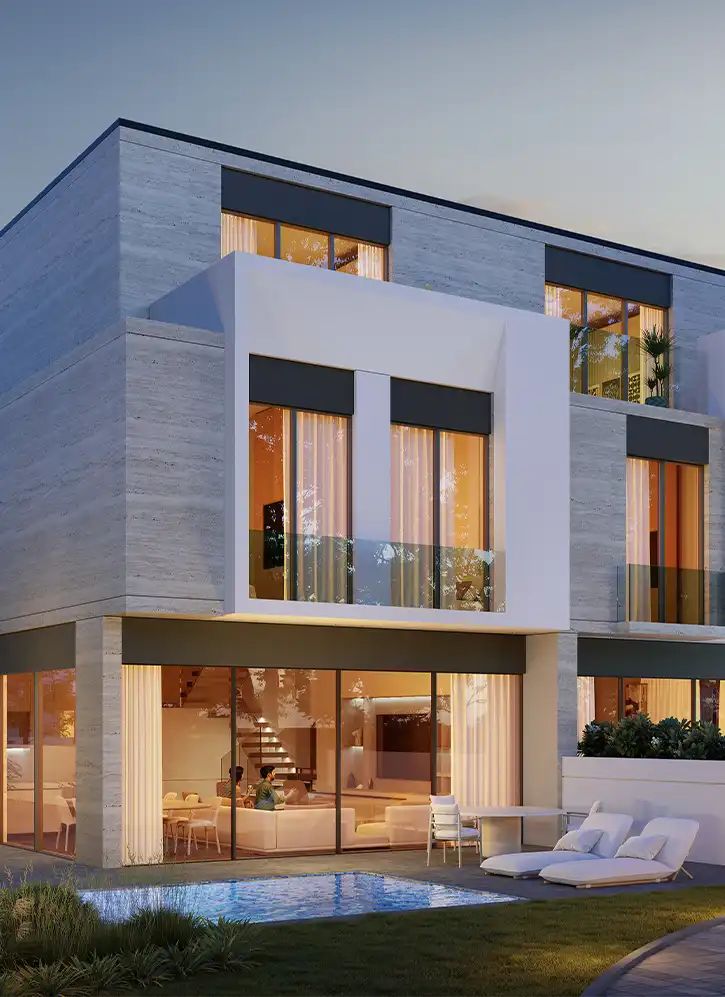
Dubai
From 5 900 000 AED (1 606 400 $)
Handover: Q4 2028
Developer: DarGlobal
Area: Jumeirah Golf Estates

5900000
1741820158000
Dubai
From 5 900 000 AED (1 606 400 $)
Handover: Q4 2028
Developer: DarGlobal
Area: Jumeirah Golf Estates
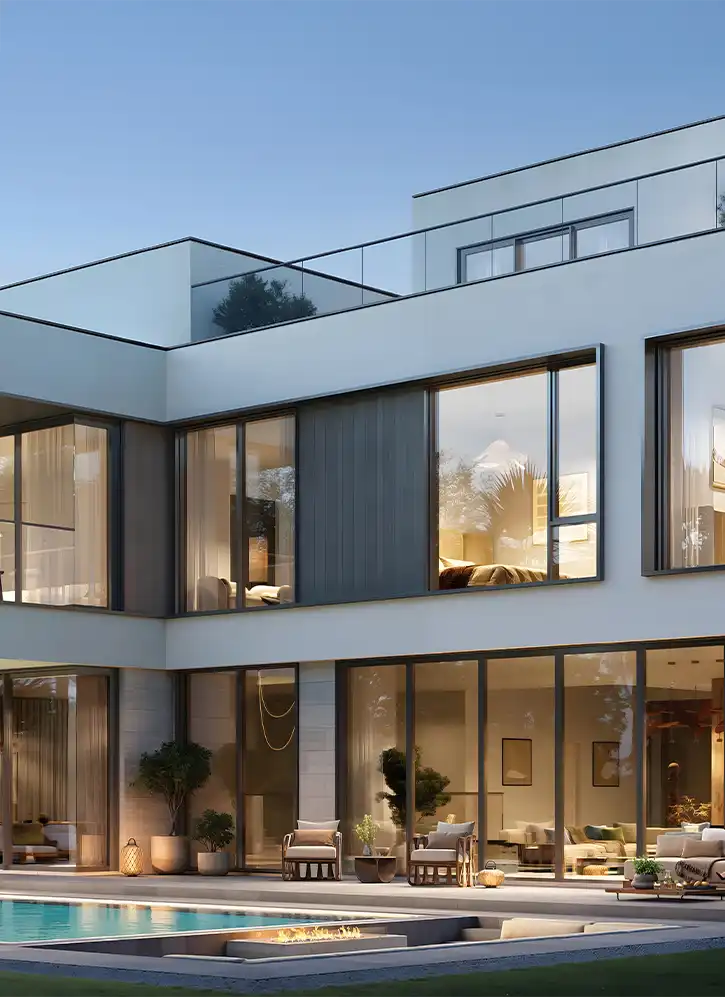
Dubai
From 13 160 000 AED (3 583 300 $)
Handover: Q2 2029
Developer: Emaar Properties
Area: Emaar The Oasis
13160000
1740784332000
Dubai
From 13 160 000 AED (3 583 300 $)
Handover: Q2 2029
Developer: Emaar Properties
Area: Emaar The Oasis
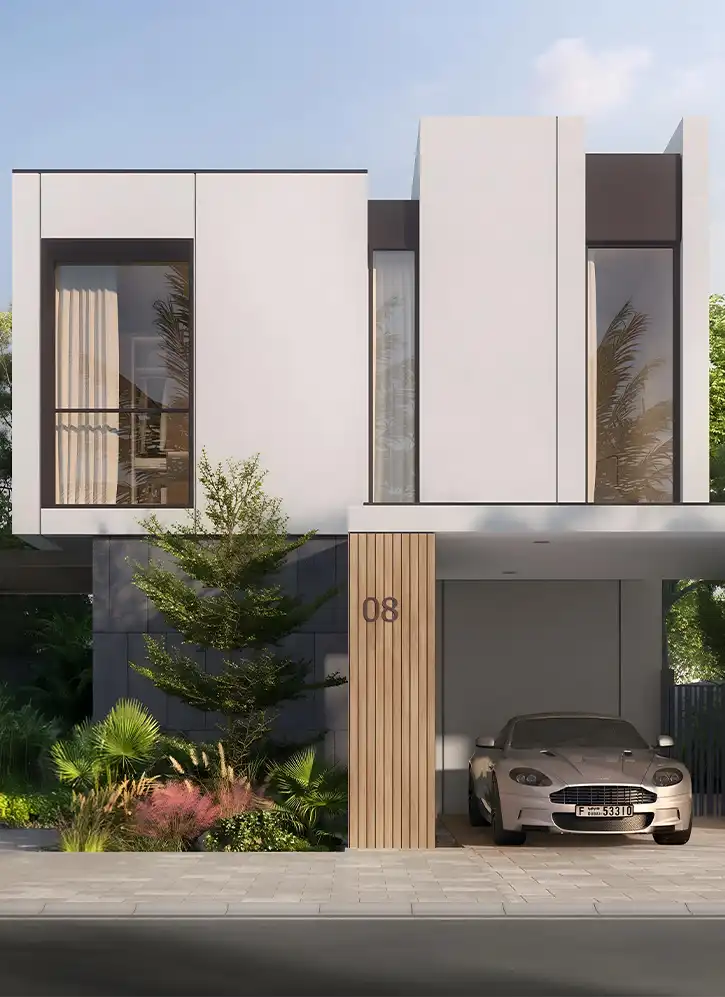
Dubai
From 5 100 000 AED (1 388 500 $)
Handover: Q2 2029
Developer: Aldar
Area: Dubailand

5100000
1740170277000
Dubai
From 5 100 000 AED (1 388 500 $)
Handover: Q2 2029
Developer: Aldar
Area: Dubailand
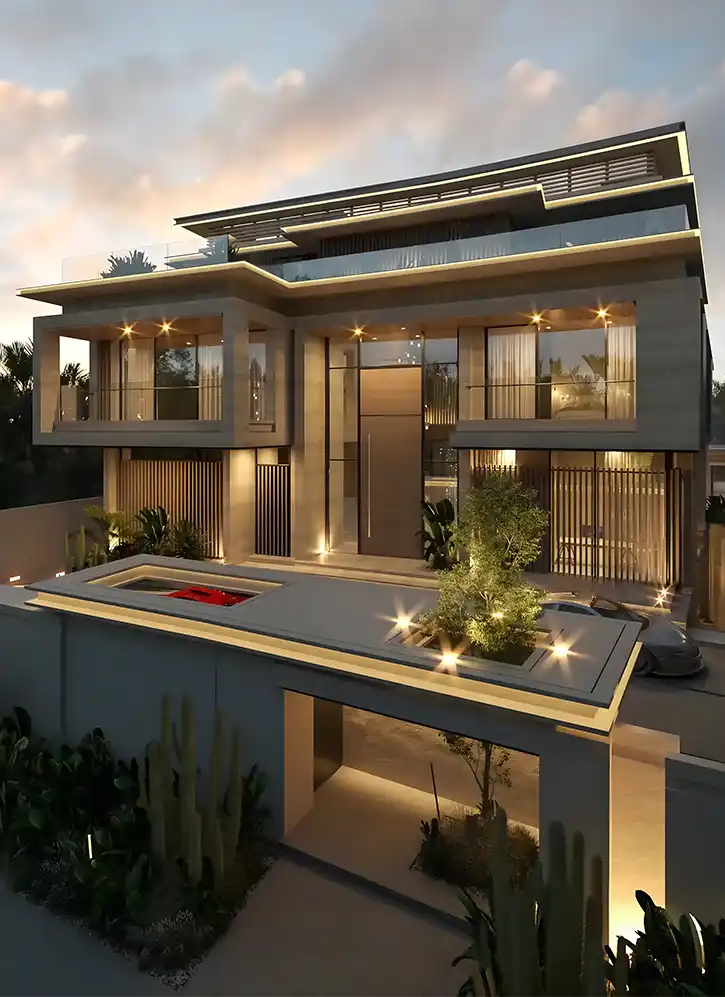
Dubai
From 59 900 000 AED (16 308 600 $)
Handover: Q1 2026
Developer: Refine Development
Area: Meydan
59900000
1740169120000
Dubai
From 59 900 000 AED (16 308 600 $)
Handover: Q1 2026
Developer: Refine Development
Area: Meydan
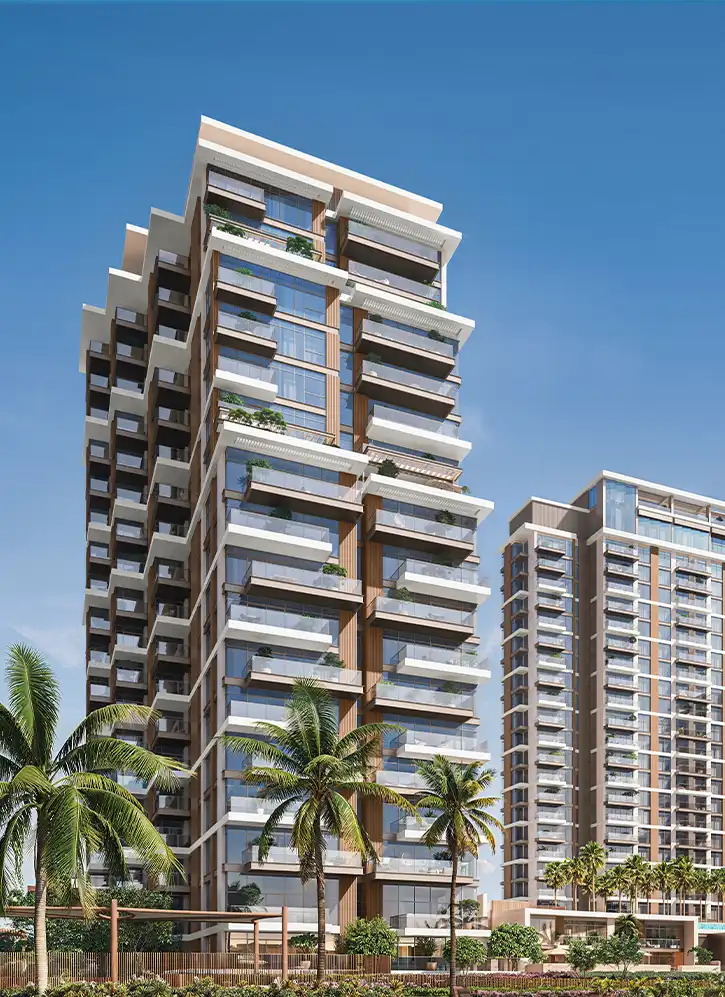
Dubai
From 1 800 000 AED (490 100 $)
Handover: Q4 2028
Developer: Nakheel
Area: District One

1800000
1740092195000
Dubai
From 1 800 000 AED (490 100 $)
Handover: Q4 2028
Developer: Nakheel
Area: District One
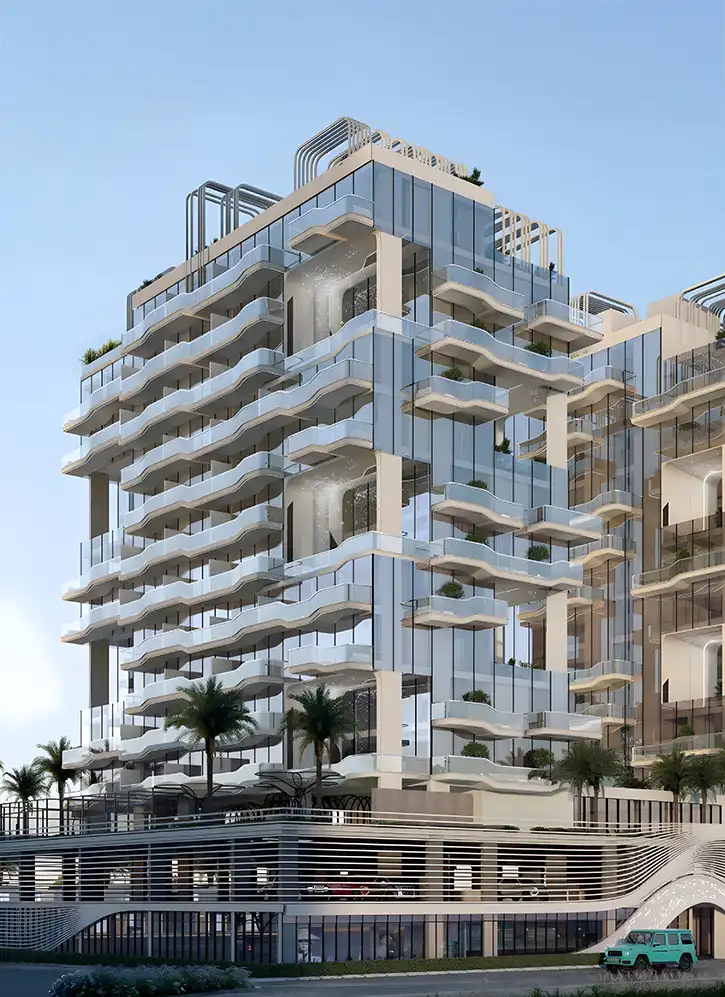
Dubai
From 1 158 000 AED (315 300 $)
Handover: Q1 2027
Developer: Reef Luxury Developments
Area: Al Furjan

1158000
1739322834000
Dubai
From 1 158 000 AED (315 300 $)
Handover: Q1 2027
Developer: Reef Luxury Developments
Area: Al Furjan
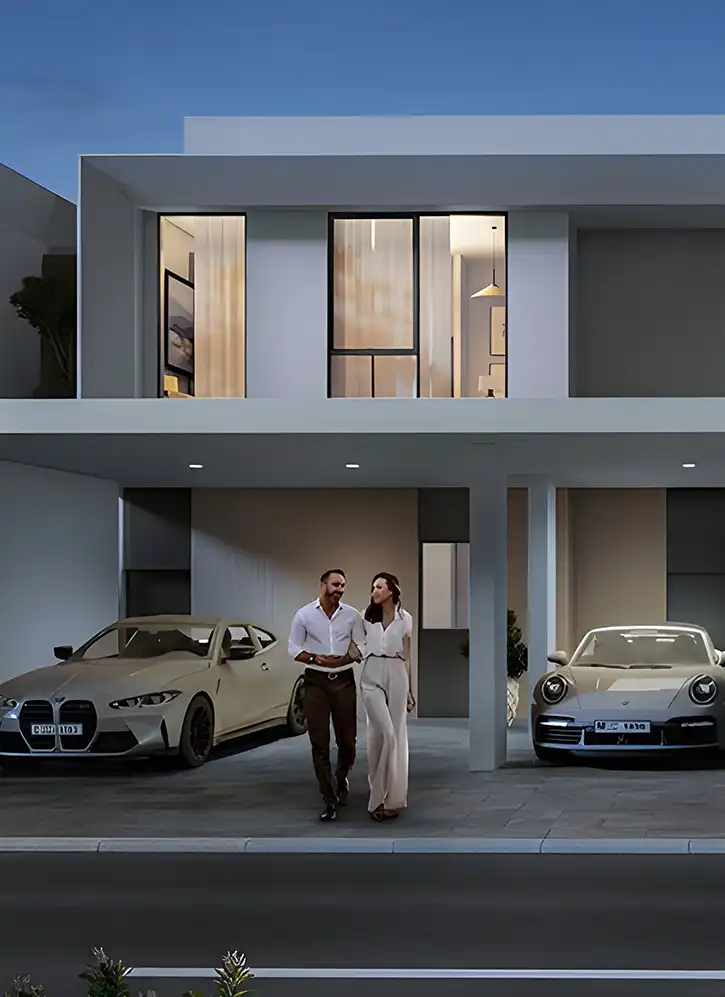
Dubai
From 2 720 000 AED (740 500 $)
Handover: Q3 2028
Developer: Emaar Properties
Area: Emaar The Valley
2720000
1736453966000
Dubai
From 2 720 000 AED (740 500 $)
Handover: Q3 2028
Developer: Emaar Properties
Area: Emaar The Valley
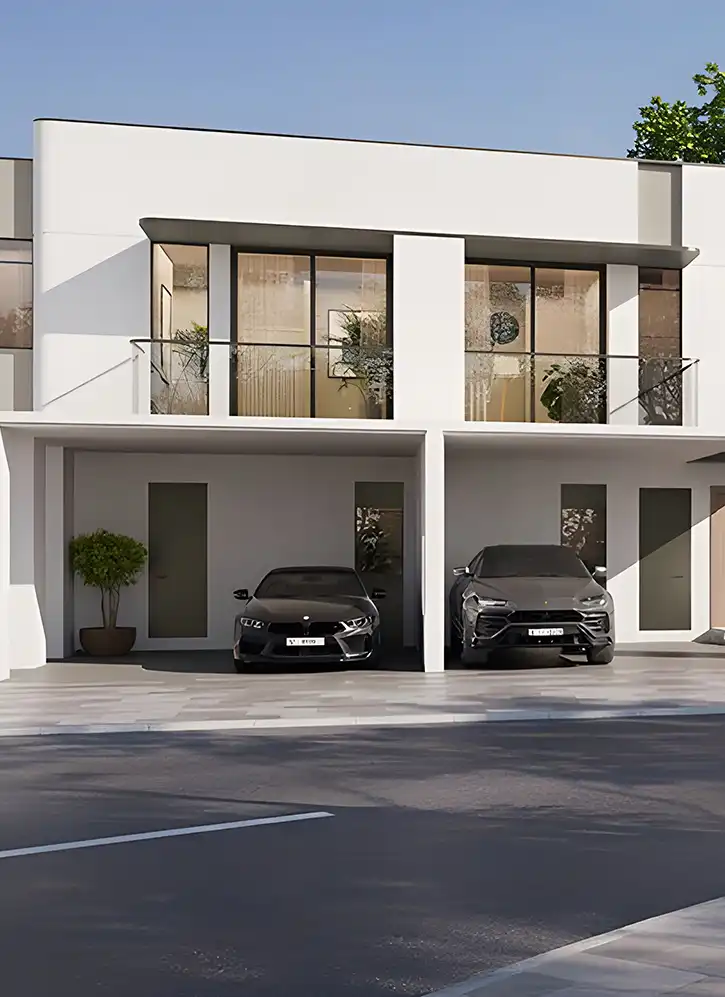
Dubai
From 2 990 000 AED (814 100 $)
Handover: Q2 2028
Developer: Emaar Properties
Area: Emaar The Valley
2990000
1736453964000
Dubai
From 2 990 000 AED (814 100 $)
Handover: Q2 2028
Developer: Emaar Properties
Area: Emaar The Valley
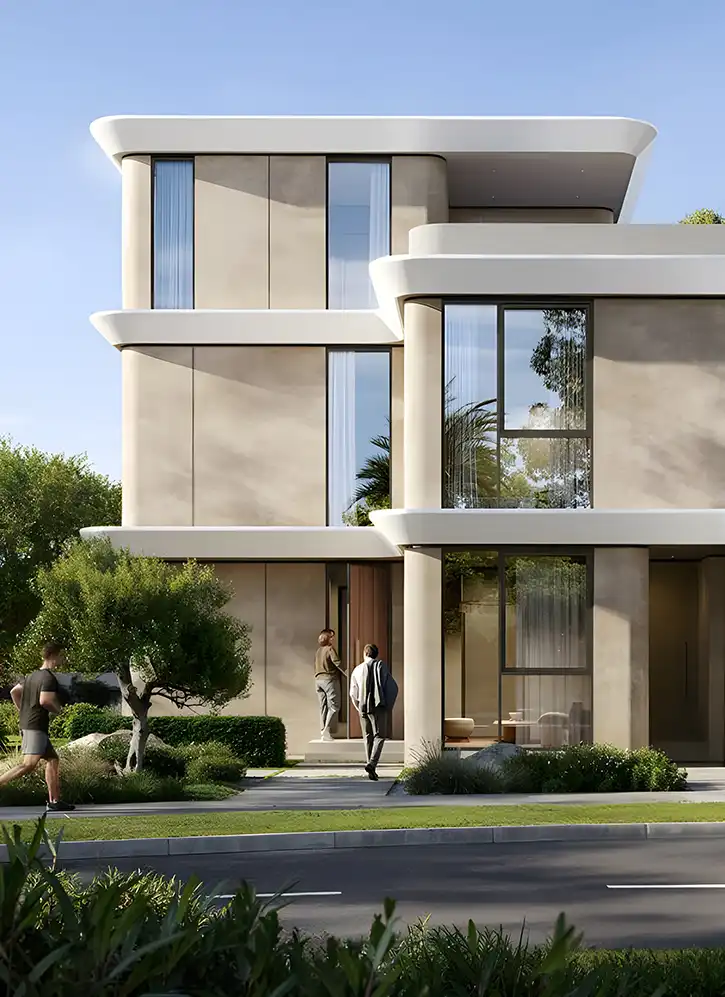
Dubai
From 4 440 000 AED (1 197 900 $)
Handover: Q4 2028
Developer: Emaar Properties
Area: Emaar The Valley
4440000
1733432448000
Dubai
From 4 440 000 AED (1 197 900 $)
Handover: Q4 2028
Developer: Emaar Properties
Area: Emaar The Valley
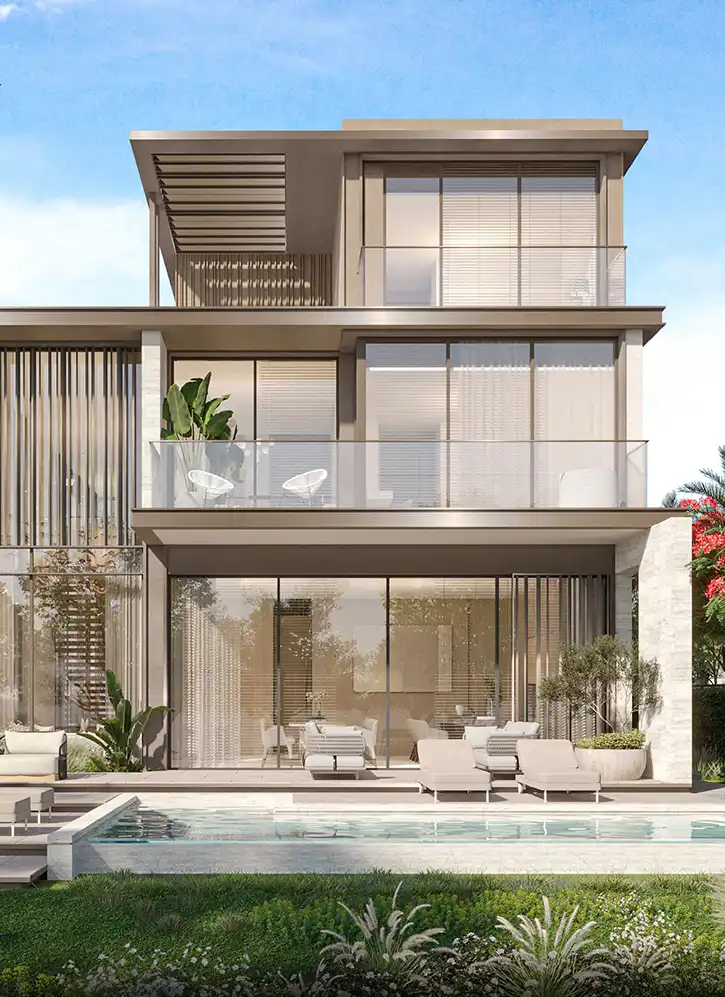
Dubai
From 16 200 000 AED (4 411 200 $)
Handover: Q2 2029
Developer: Meraas
Area: Nad Al Sheba

16200000
1733262170000
Dubai
From 16 200 000 AED (4 411 200 $)
Handover: Q2 2029
Developer: Meraas
Area: Nad Al Sheba
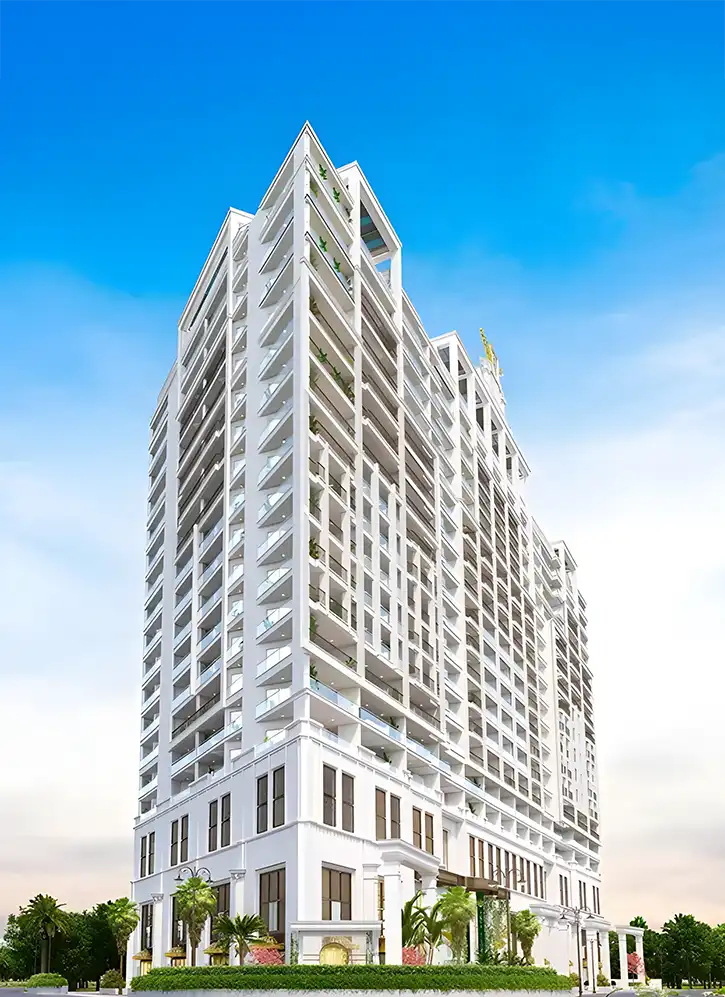
Dubai
From 750 000 AED (204 200 $)
Handover: Q3 2027
Developer: Vincitore Real Estate
Area: Dubai Science Park
750000
1732678216000
Dubai
From 750 000 AED (204 200 $)
Handover: Q3 2027
Developer: Vincitore Real Estate
Area: Dubai Science Park
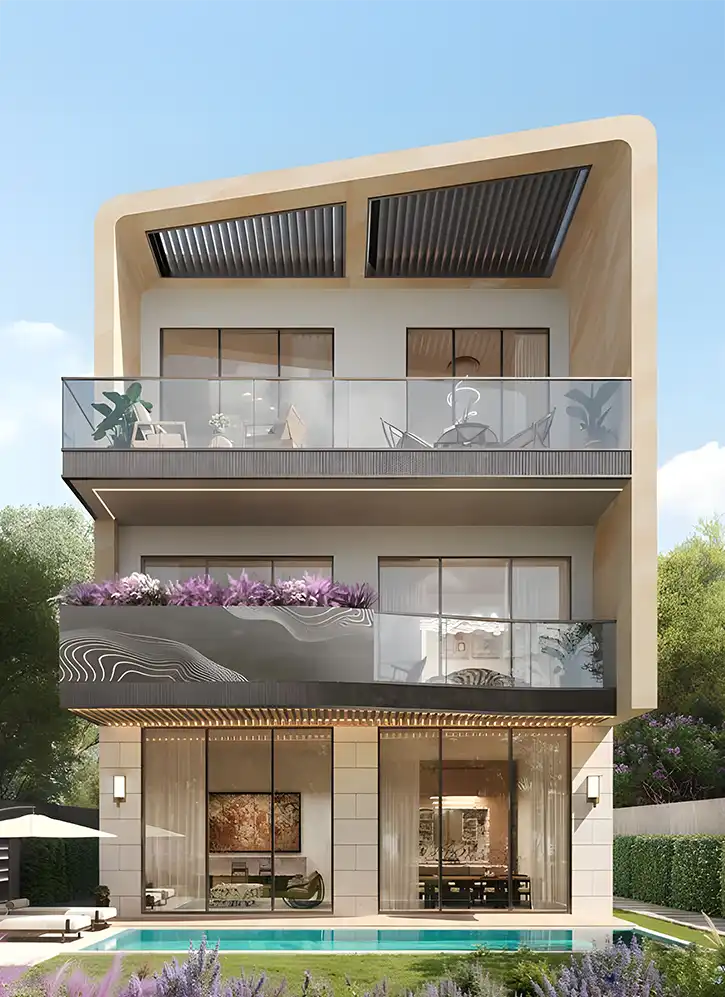
Dubai
From 13 800 000 AED (3 757 100 $)
Handover: Q4 2027
Developer: Leos Developments
Area: MBR City
13800000
1732669245000
Dubai
From 13 800 000 AED (3 757 100 $)
Handover: Q4 2027
Developer: Leos Developments
Area: MBR City
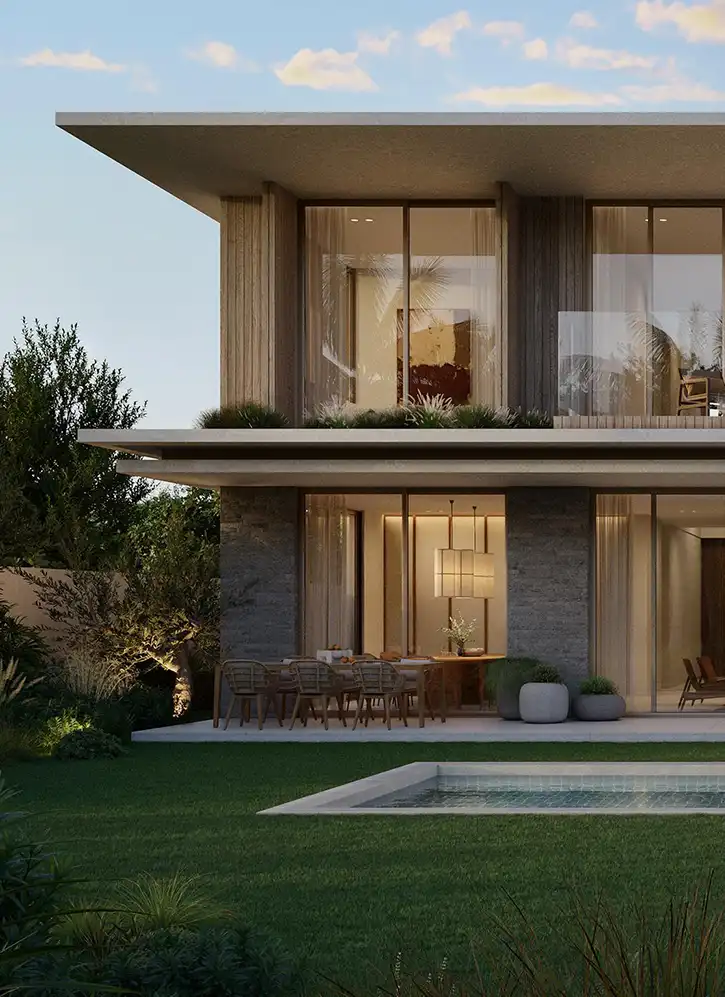
Dubai
From 17 500 000 AED (4 764 600 $)
Handover: Q2 2027
Developer: H&H Development
Area: MBR City

17500000
1731712751000
Dubai
From 17 500 000 AED (4 764 600 $)
Handover: Q2 2027
Developer: H&H Development
Area: MBR City
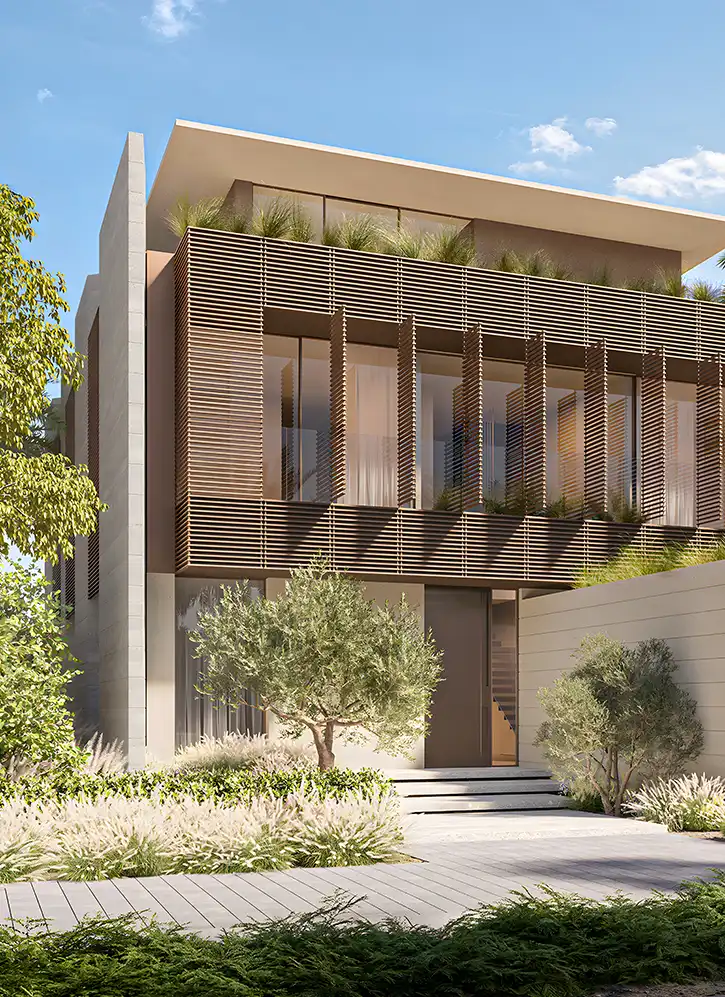
Dubai
From 18 100 000 AED (4 927 900 $)
Handover: Q4 2028
Developer: Nakheel
Area: Palm Jebel Ali
18100000
1731404049000
Dubai
From 18 100 000 AED (4 927 900 $)
Handover: Q4 2028
Developer: Nakheel
Area: Palm Jebel Ali
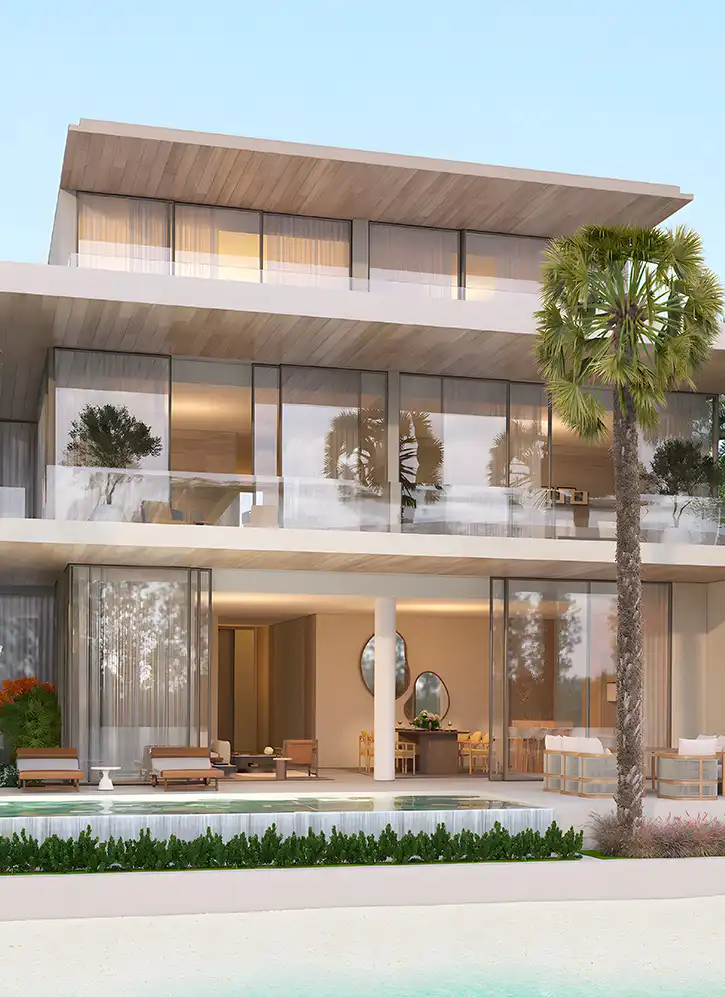
Dubai
From 18 100 000 AED (4 927 900 $)
Handover: Q4 2028
Developer: Nakheel
Area: Palm Jebel Ali
18100000
1731404048000
Dubai
From 18 100 000 AED (4 927 900 $)
Handover: Q4 2028
Developer: Nakheel
Area: Palm Jebel Ali
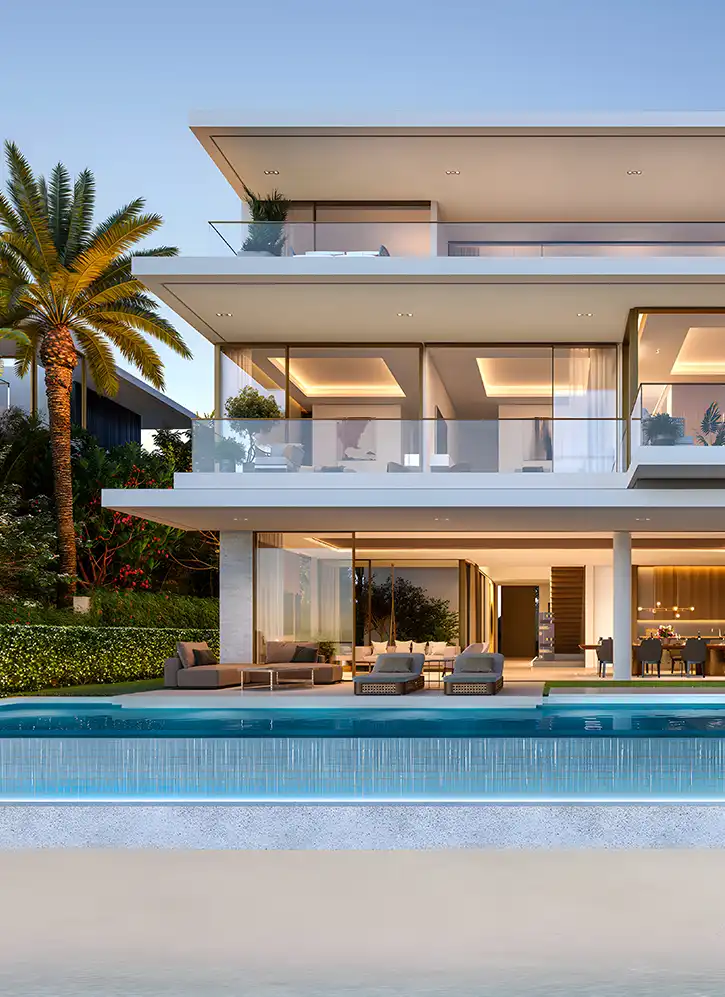
Dubai
From 18 100 000 AED (4 927 900 $)
Handover: Q4 2028
Developer: Nakheel
Area: Palm Jebel Ali
18100000
1731404046000
Dubai
From 18 100 000 AED (4 927 900 $)
Handover: Q4 2028
Developer: Nakheel
Area: Palm Jebel Ali
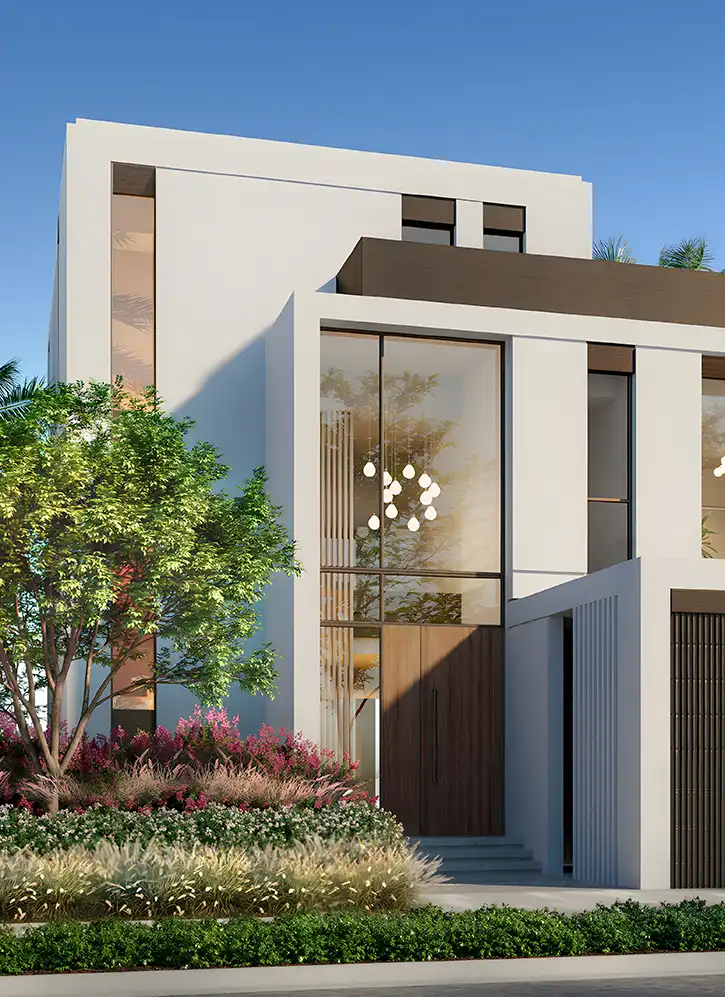
Dubai
From 18 100 000 AED (4 927 900 $)
Handover: Q4 2028
Developer: Nakheel
Area: Palm Jebel Ali
18100000
1731404044000
Dubai
From 18 100 000 AED (4 927 900 $)
Handover: Q4 2028
Developer: Nakheel
Area: Palm Jebel Ali
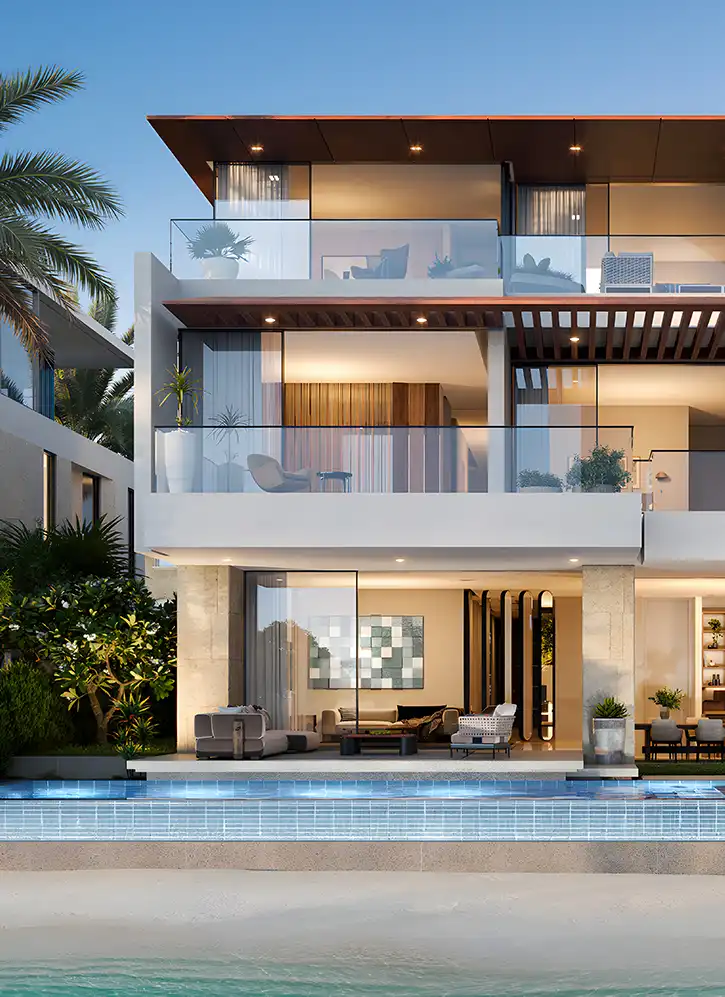
Dubai
From 18 100 000 AED (4 927 900 $)
Handover: Q4 2028
Developer: Nakheel
Area: Palm Jebel Ali
18100000
1731404043000
Dubai
From 18 100 000 AED (4 927 900 $)
Handover: Q4 2028
Developer: Nakheel
Area: Palm Jebel Ali
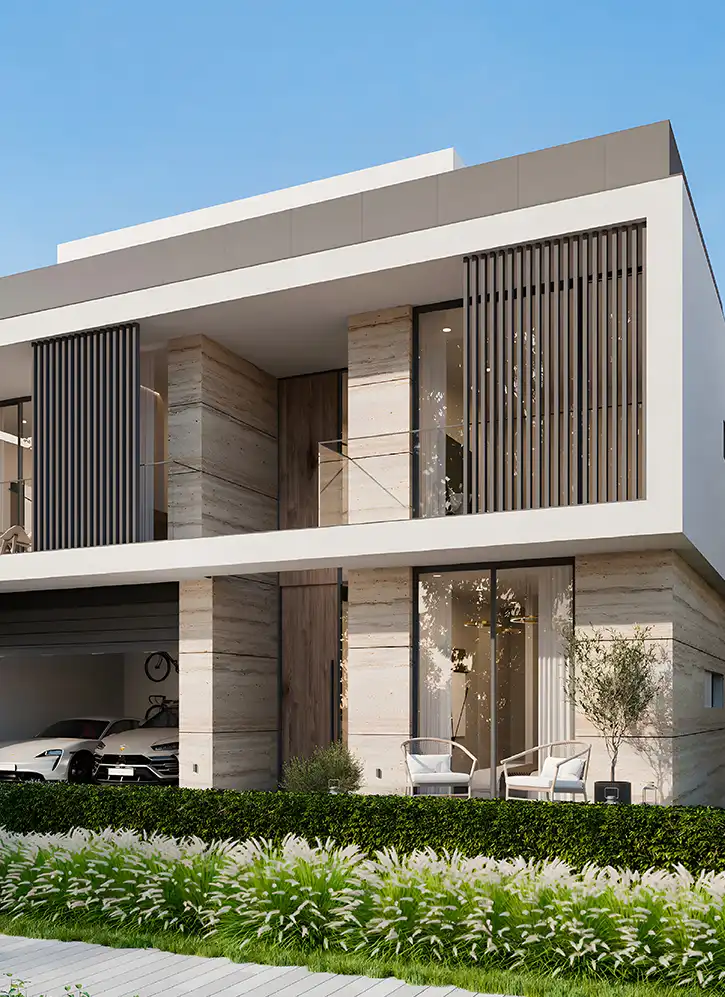
Dubai
From 18 100 000 AED (4 927 900 $)
Handover: Q4 2028
Developer: Nakheel
Area: Palm Jebel Ali
18100000
1731404042000
Dubai
From 18 100 000 AED (4 927 900 $)
Handover: Q4 2028
Developer: Nakheel
Area: Palm Jebel Ali
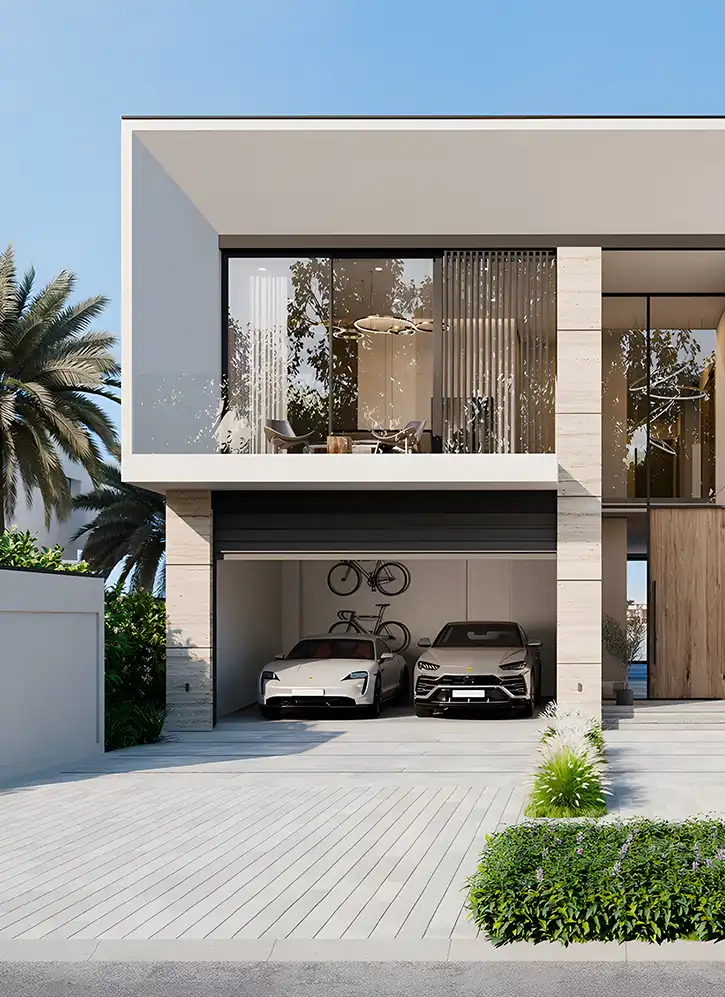
Dubai
From 18 100 000 AED (4 927 900 $)
Handover: Q4 2028
Developer: Nakheel
Area: Palm Jebel Ali
18100000
1731404041000
Dubai
From 18 100 000 AED (4 927 900 $)
Handover: Q4 2028
Developer: Nakheel
Area: Palm Jebel Ali
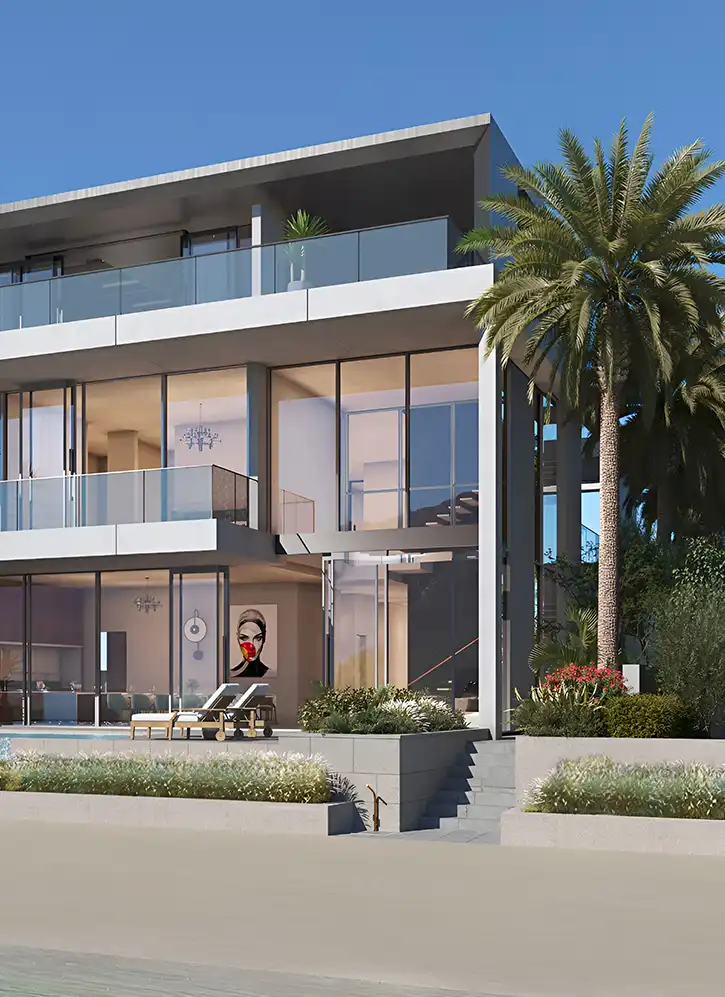
Dubai
From 18 100 000 AED (4 927 900 $)
Handover: Q4 2028
Developer: Nakheel
Area: Palm Jebel Ali
18100000
1731184952000
Dubai
From 18 100 000 AED (4 927 900 $)
Handover: Q4 2028
Developer: Nakheel
Area: Palm Jebel Ali
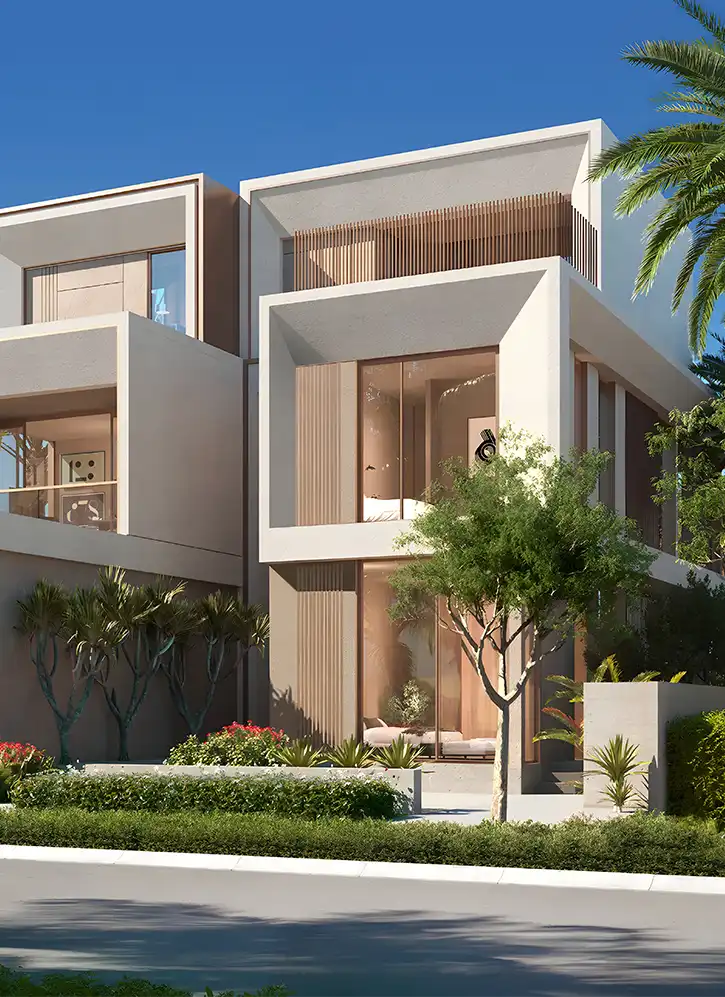
Dubai
From 18 100 000 AED (4 927 900 $)
Handover: Q4 2028
Developer: Nakheel
Area: Palm Jebel Ali
18100000
1731184950000
Dubai
From 18 100 000 AED (4 927 900 $)
Handover: Q4 2028
Developer: Nakheel
Area: Palm Jebel Ali
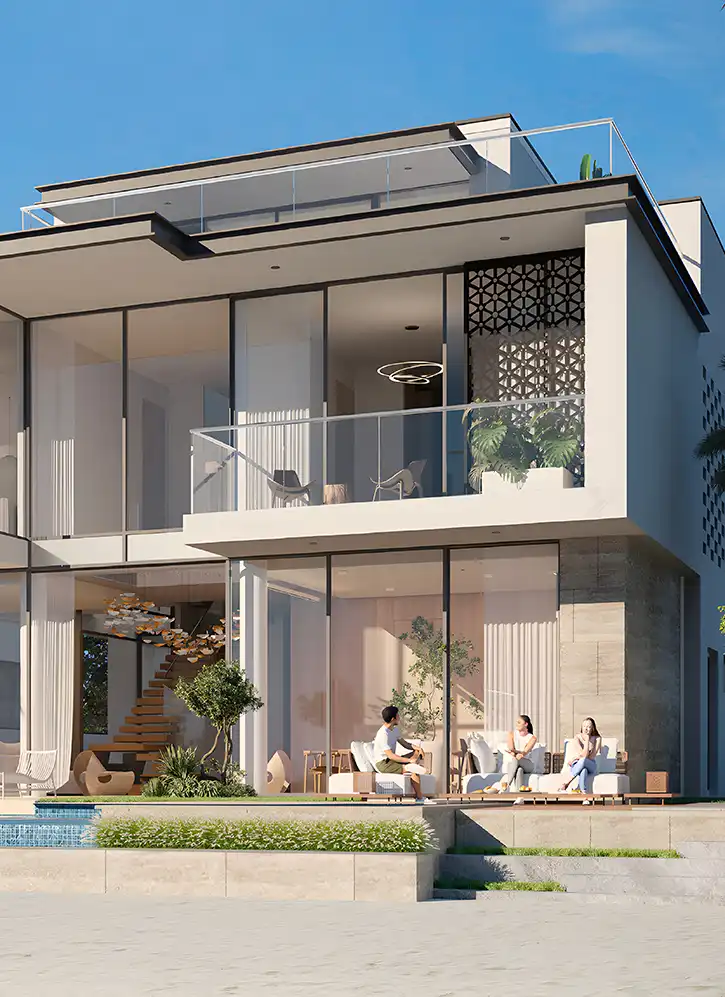
Dubai
From 18 100 000 AED (4 927 900 $)
Handover: Q4 2028
Developer: Nakheel
Area: Palm Jebel Ali
18100000
1731184944000
Dubai
From 18 100 000 AED (4 927 900 $)
Handover: Q4 2028
Developer: Nakheel
Area: Palm Jebel Ali
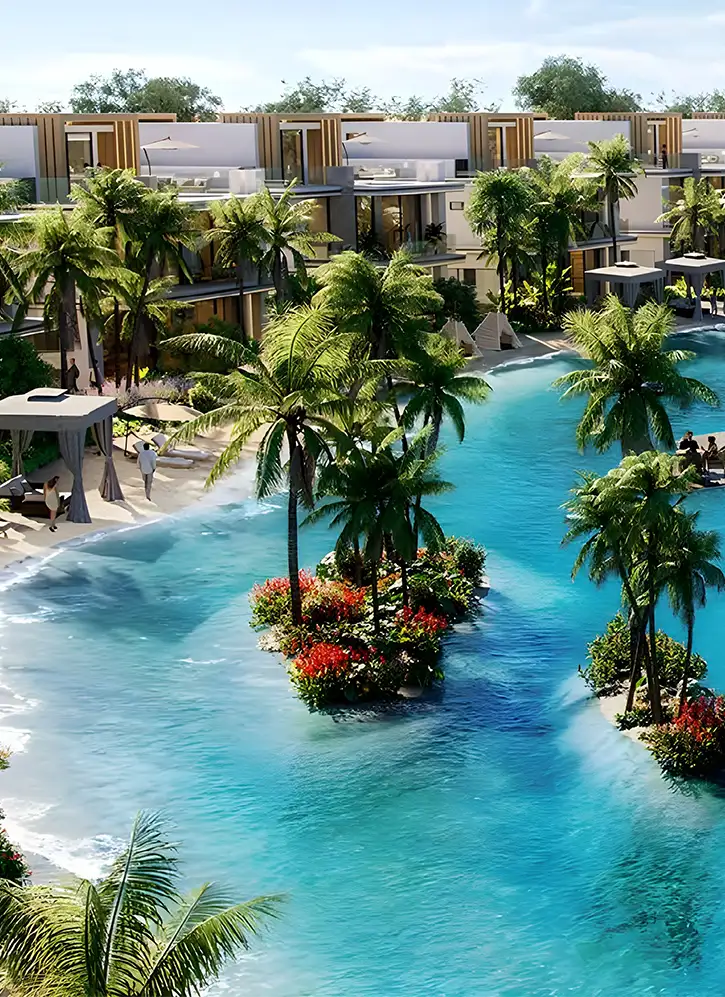
2250000
1730431109000
Dubai
From 2 250 000 AED (612 600 $)
Handover: Q4 2028
Developer: DAMAC
Area: Dubailand
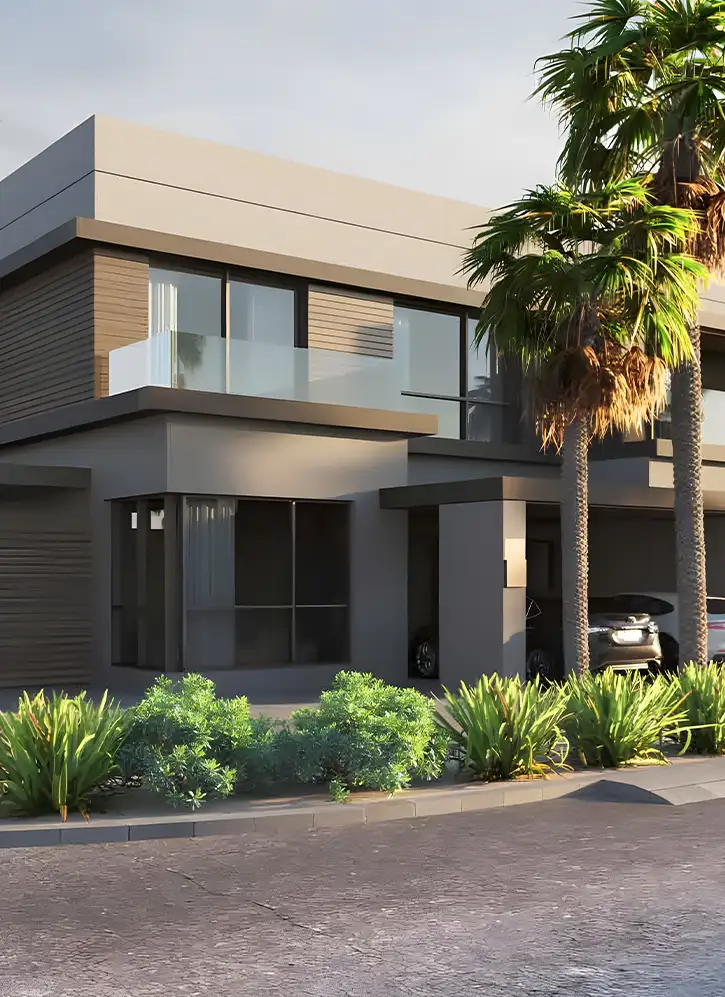
Dubai
From 4 150 000 AED (1 129 900 $)
Handover: Q1 2026
Developer: GFH Real Estate
Area: Dubailand
4150000
1730255670000
Dubai
From 4 150 000 AED (1 129 900 $)
Handover: Q1 2026
Developer: GFH Real Estate
Area: Dubailand
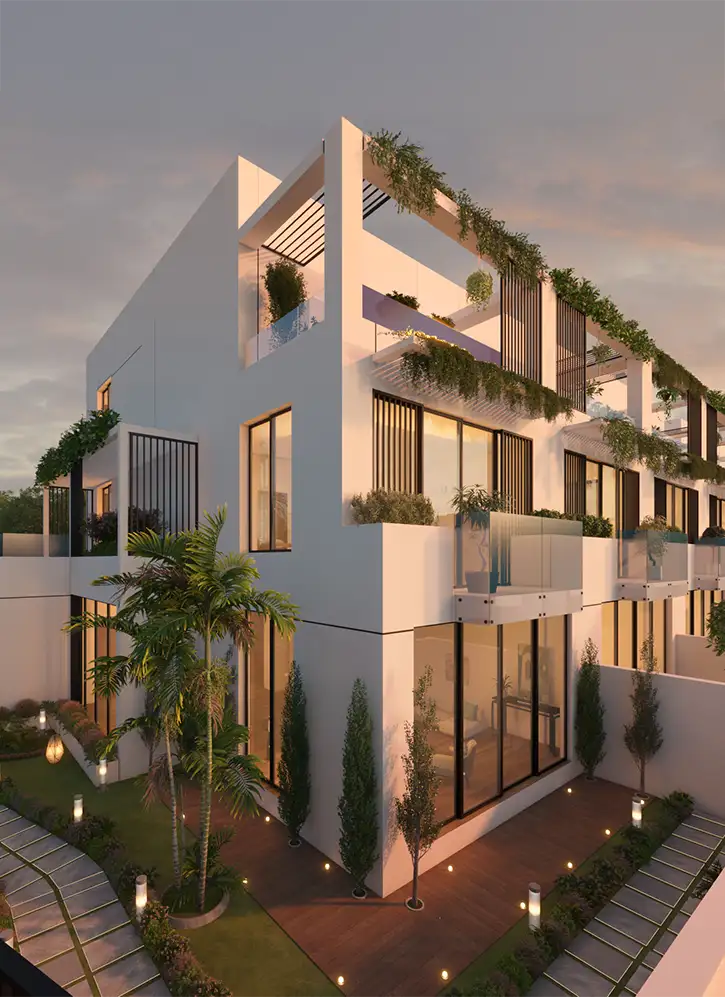
Dubai
From 4 079 000 AED (1 110 500 $)
Handover: Q1 2026
Developer: SNK Properties
Area: Jumeirah Village Circle (JVC)
4079000
1729909294000
Dubai
From 4 079 000 AED (1 110 500 $)
Handover: Q1 2026
Developer: SNK Properties
Area: Jumeirah Village Circle (JVC)
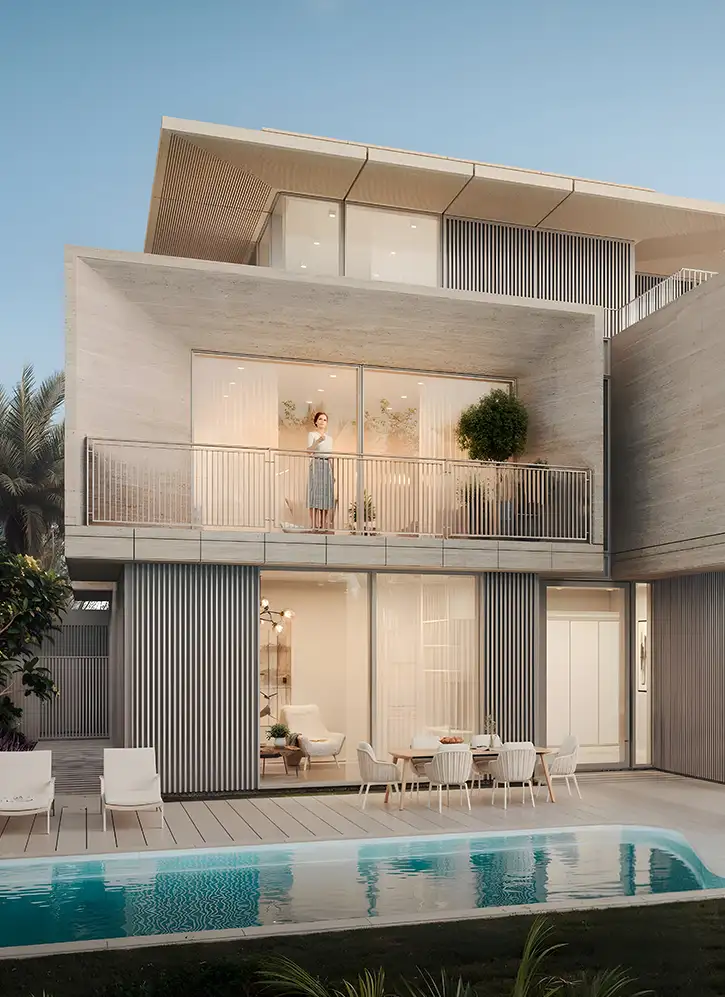
Dubai
From 23 210 000 AED (6 319 100 $)
Handover: Q2 2027
Developer: H&H Development
Area: Dubai Hills Estate
23210000
1729543314000
Dubai
From 23 210 000 AED (6 319 100 $)
Handover: Q2 2027
Developer: H&H Development
Area: Dubai Hills Estate
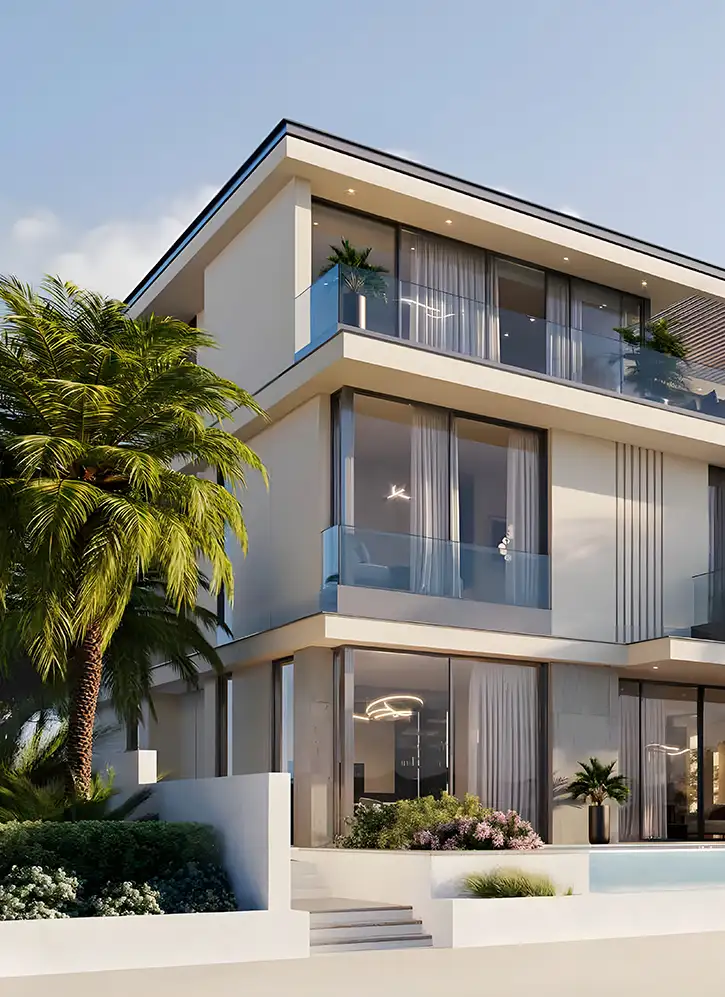
Dubai
From 20 000 000 AED (5 445 100 $)
Handover: Q4 2027
Developer: Nakheel
Area: Palm Jebel Ali
20000000
1728442755000
Dubai
From 20 000 000 AED (5 445 100 $)
Handover: Q4 2027
Developer: Nakheel
Area: Palm Jebel Ali
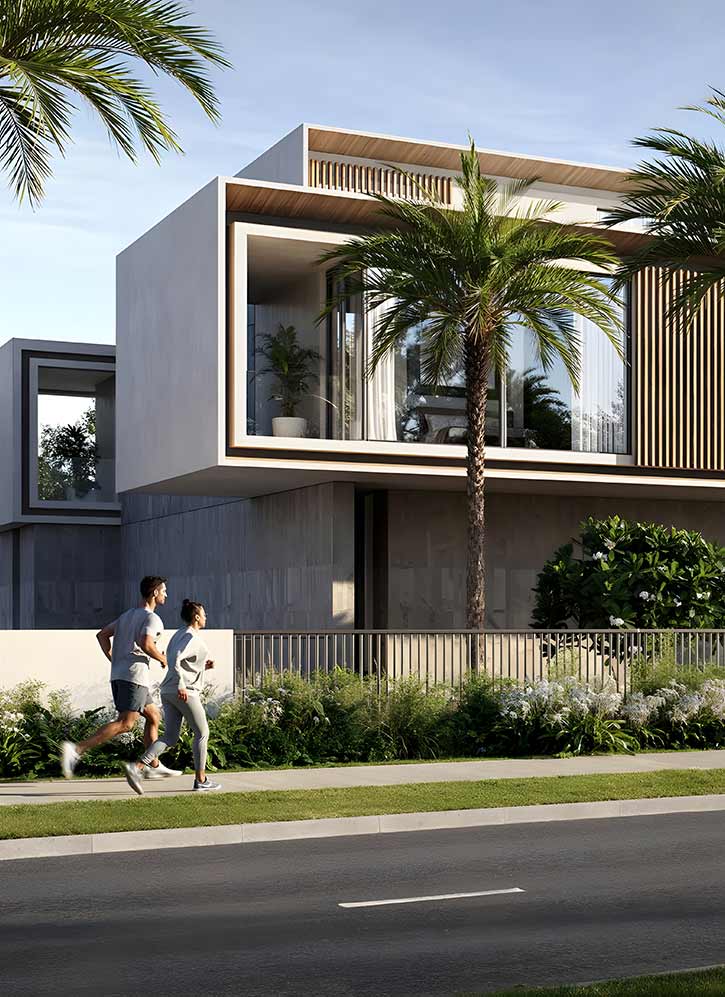
Dubai
From 10 345 800 AED (38 000 000 $)
Handover: Q4 2027
Developer: Emaar Properties
Area: Emaar The Oasis
10345800
1726319251000
Dubai
From 10 345 800 AED (38 000 000 $)
Handover: Q4 2027
Developer: Emaar Properties
Area: Emaar The Oasis
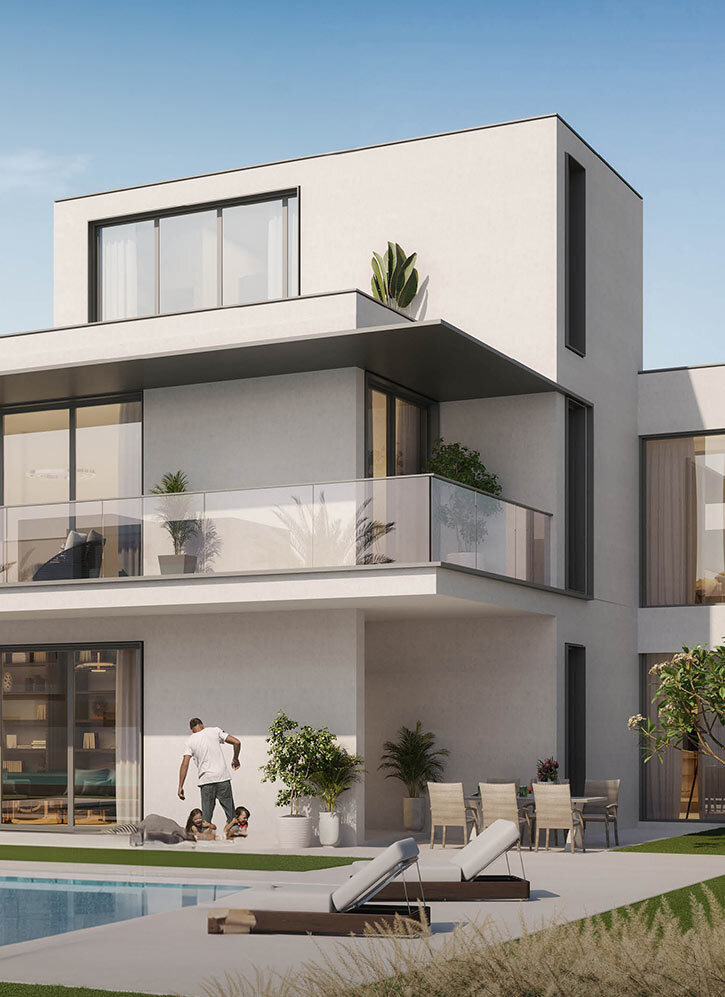
Dubai
From 9 180 000 AED (2 499 300 $)
Handover: Q4 2028
Developer: Emaar Properties
Area: Emaar The Oasis
9180000
1725269320000
Dubai
From 9 180 000 AED (2 499 300 $)
Handover: Q4 2028
Developer: Emaar Properties
Area: Emaar The Oasis
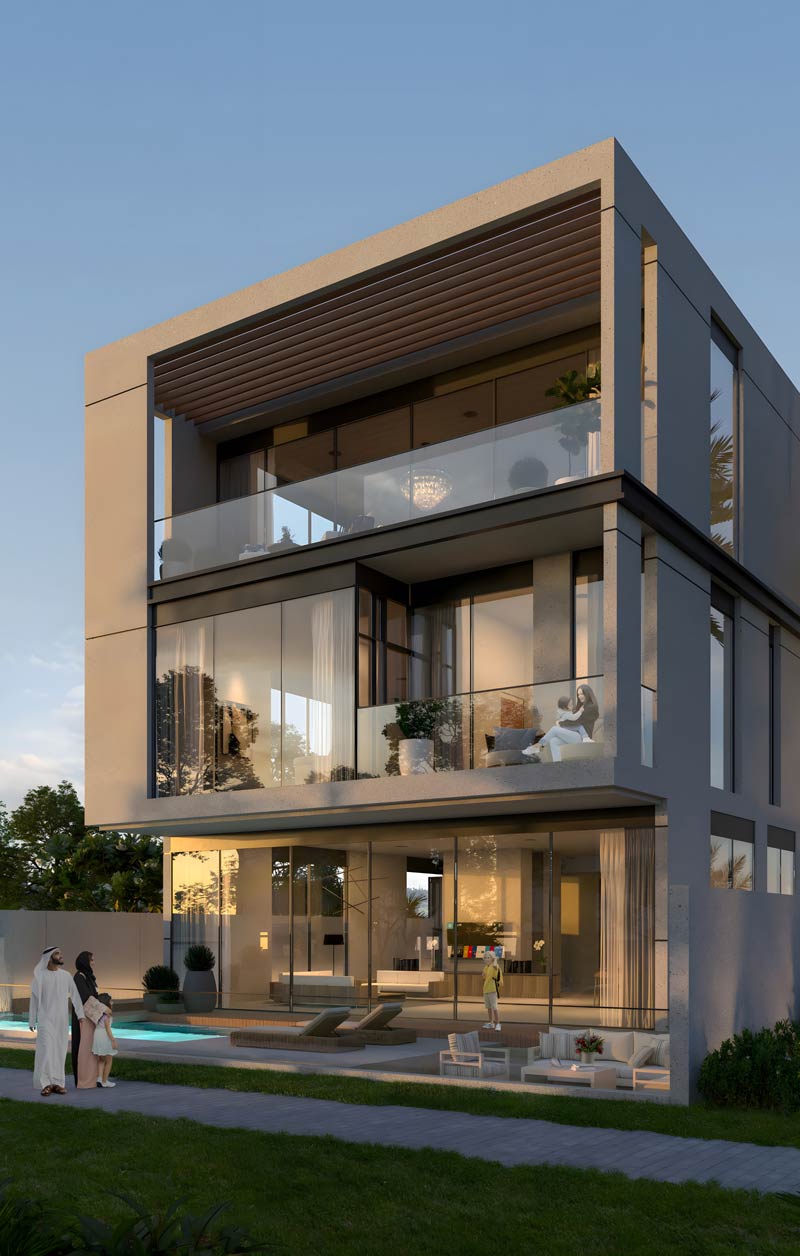
Dubai
From 7 200 000 AED (1 960 600 $)
Handover: Q2 2027
Developer: Taraf
Area: Jumeirah Golf Estates

7200000
1725269320000
Dubai
From 7 200 000 AED (1 960 600 $)
Handover: Q2 2027
Developer: Taraf
Area: Jumeirah Golf Estates
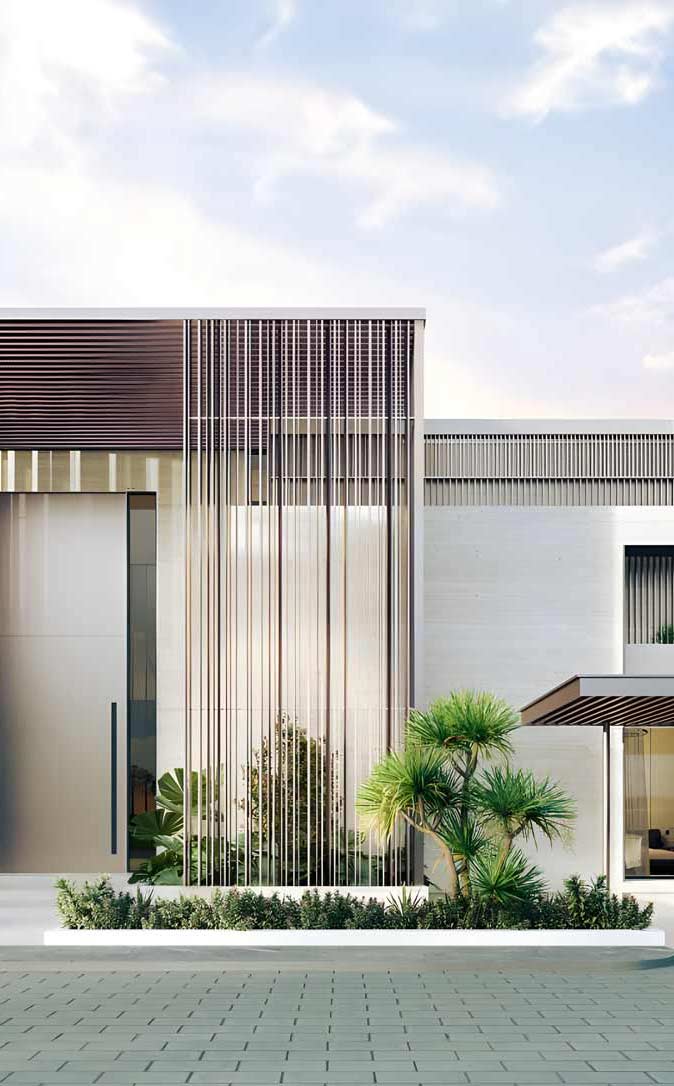
Dubai
From 1 600 000 AED (4 925 300 $)
Handover: Q4 2026
Developer: DAMAC
Area: DAMAC Hills
1600000
1725269320000
Dubai
From 1 600 000 AED (4 925 300 $)
Handover: Q4 2026
Developer: DAMAC
Area: DAMAC Hills
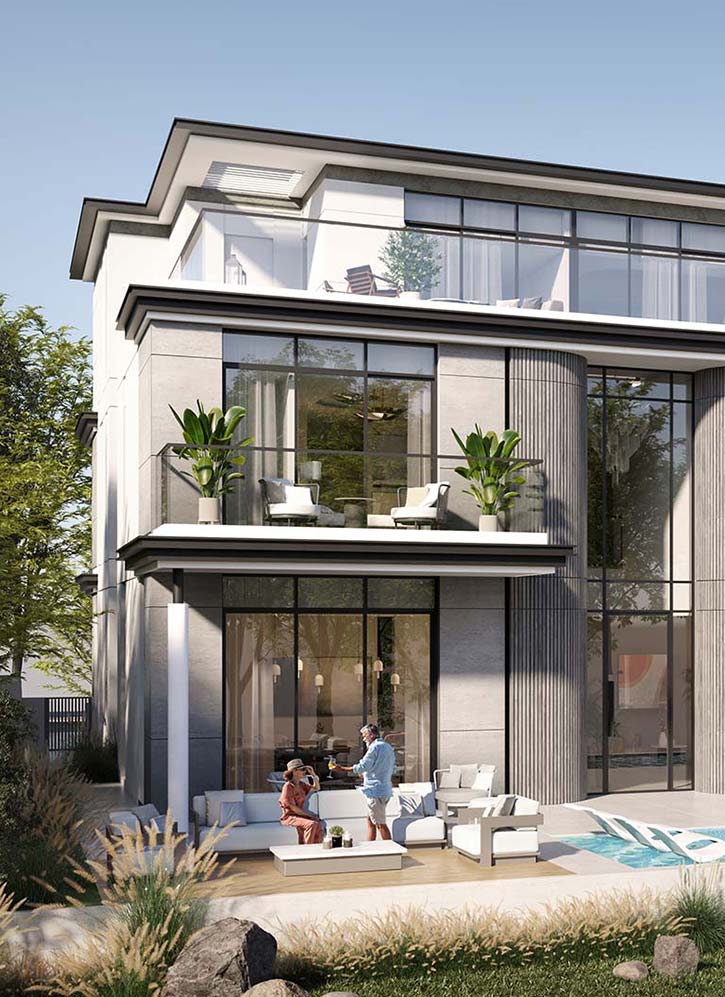
Dubai
From 15 375 000 AED (4 186 400 $)
Handover: Q2 2027
Developer: Taraf
Area: MBR City
15375000
1725269320000
Dubai
From 15 375 000 AED (4 186 400 $)
Handover: Q2 2027
Developer: Taraf
Area: MBR City
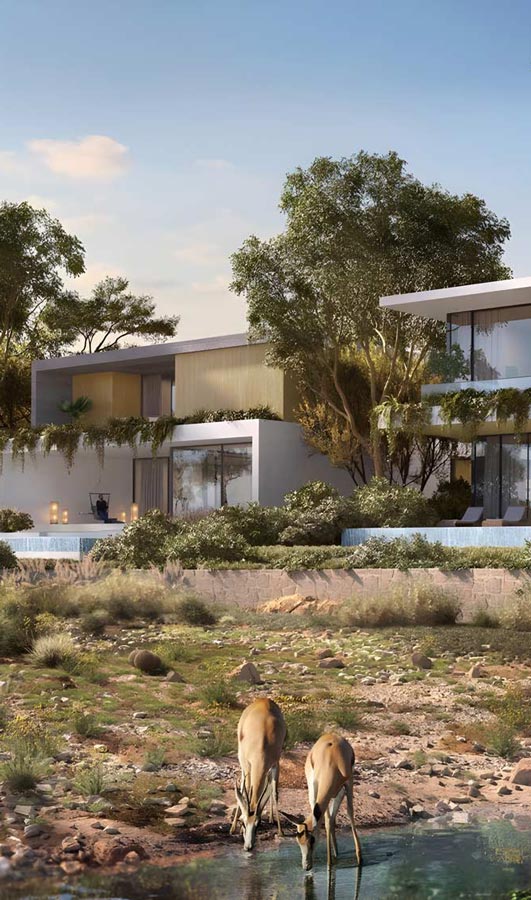
Dubai
From 13 000 000 AED (3 540 000 $)
Handover: Q1 2026
Developer: Expo Dubai Group
Area: Expo City Dubai

13000000
1725269320000
Dubai
From 13 000 000 AED (3 540 000 $)
Handover: Q1 2026
Developer: Expo Dubai Group
Area: Expo City Dubai
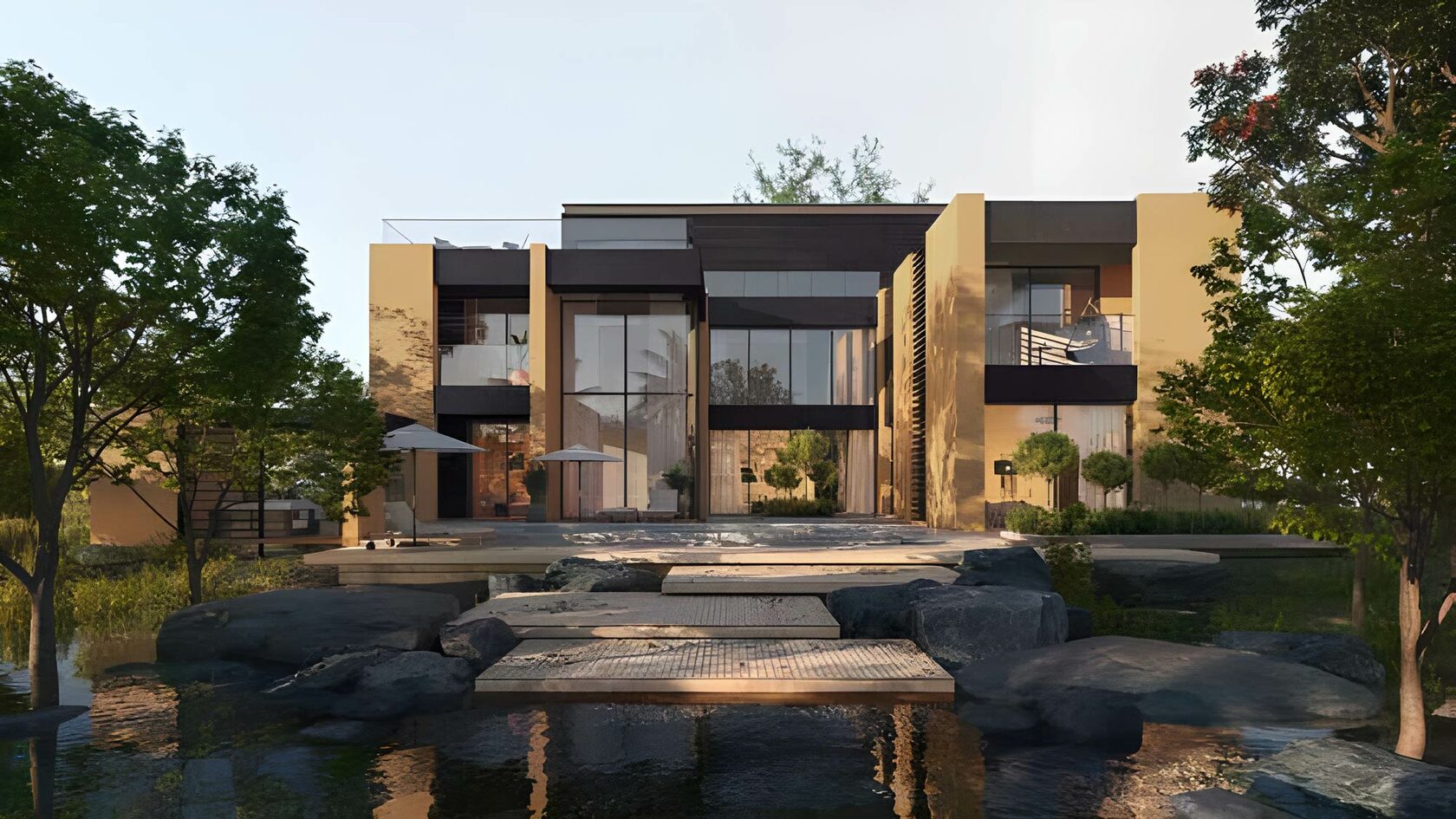
2550000
1725269320000
Dubai
From 2 550 000 AED (694 300 $)
Handover: Q3 2027
Developer: Aldar
Area: Dubailand
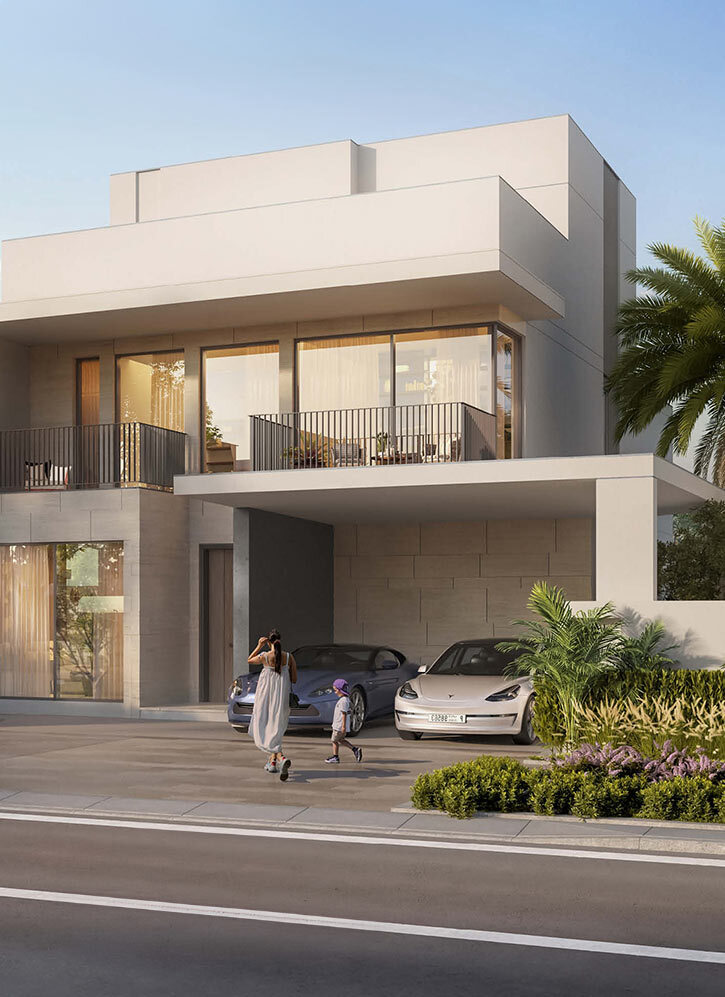
Dubai
From 4 480 000 AED (1 219 700 $)
Handover: Q4 2028
Developer: Emaar Properties
Area: Emaar South
4480000
1725269320000
Dubai
From 4 480 000 AED (1 219 700 $)
Handover: Q4 2028
Developer: Emaar Properties
Area: Emaar South
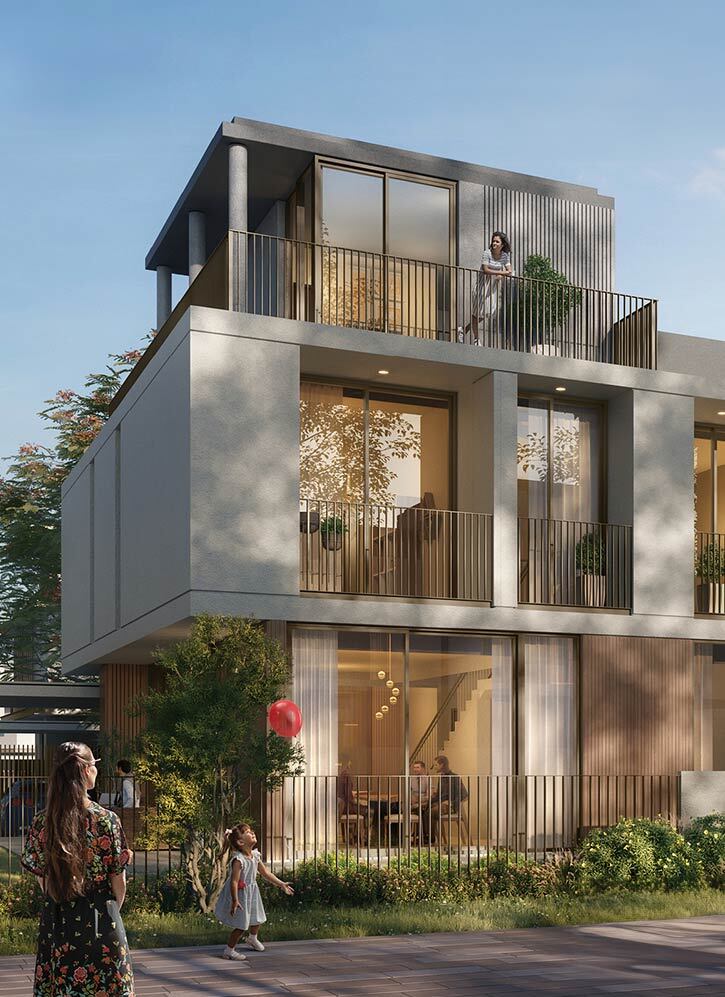
Dubai
From 4 360 000 AED (1 187 000 $)
Handover: Q2 2028
Developer: Emaar Properties
Area: Emaar The Valley
4360000
1725269320000
Dubai
From 4 360 000 AED (1 187 000 $)
Handover: Q2 2028
Developer: Emaar Properties
Area: Emaar The Valley
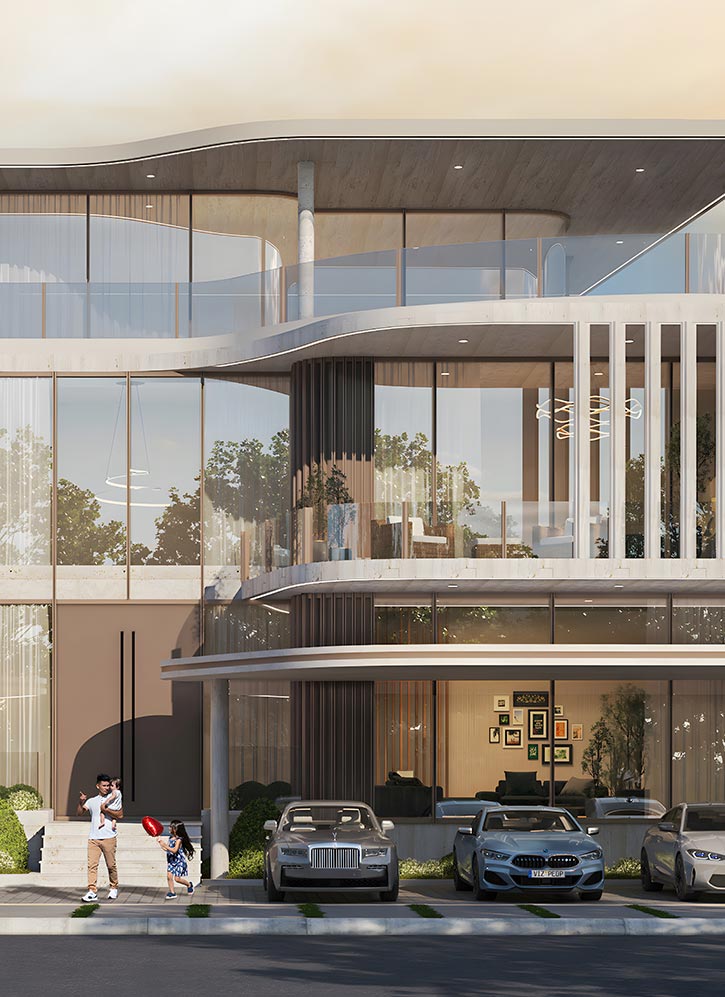
Dubai
From 5 054 000 AED (1 384 500 $)
Handover: Q4 2026
Developer: DAMAC
Area: DAMAC Hills
5054000
1725269320000
Dubai
From 5 054 000 AED (1 384 500 $)
Handover: Q4 2026
Developer: DAMAC
Area: DAMAC Hills
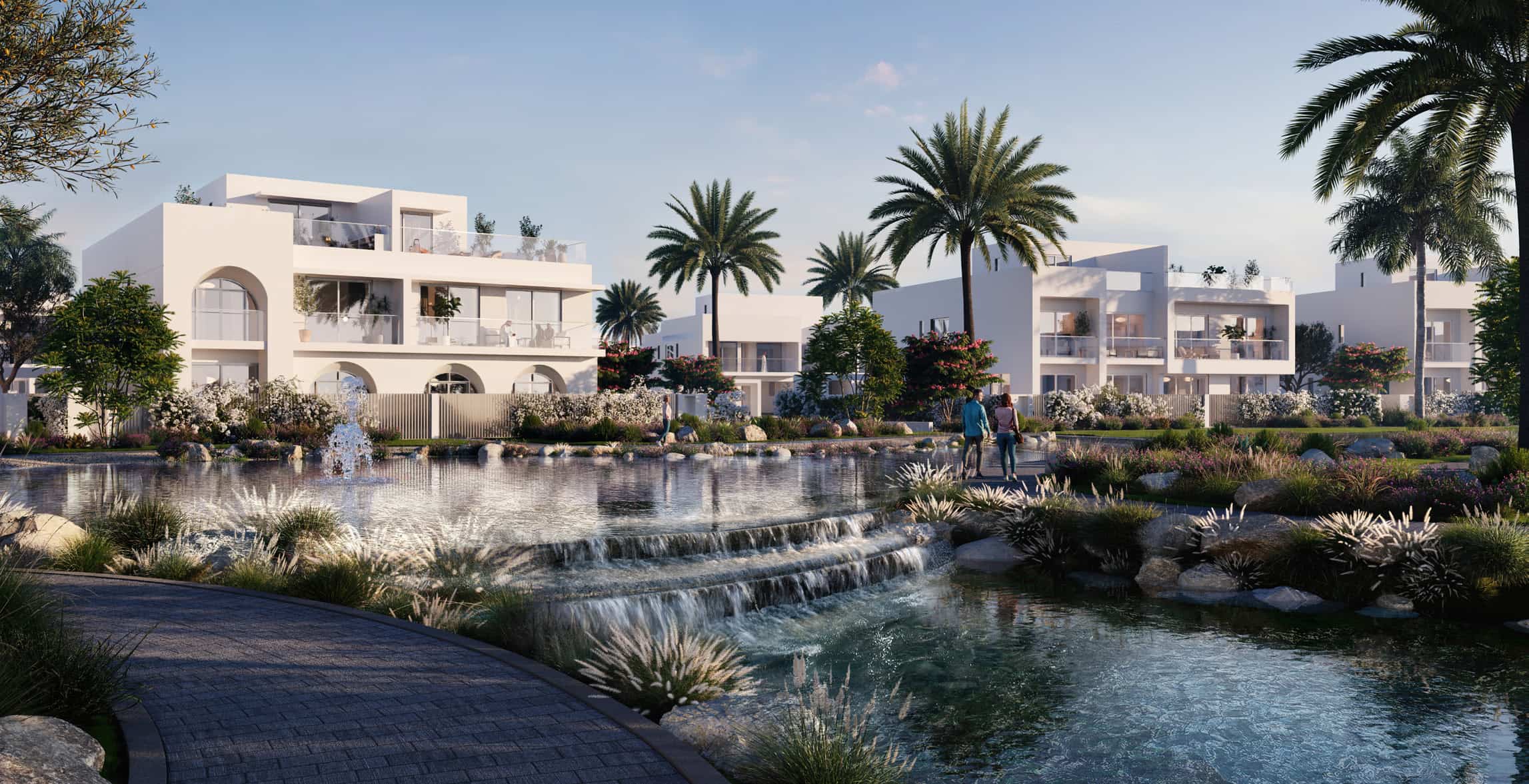
Dubai
From 3 500 000 AED (952 900 $)
Handover: Q2 2027
Developer: Emaar Properties
Area: Emaar The Valley
3500000
1725269320000
Dubai
From 3 500 000 AED (952 900 $)
Handover: Q2 2027
Developer: Emaar Properties
Area: Emaar The Valley
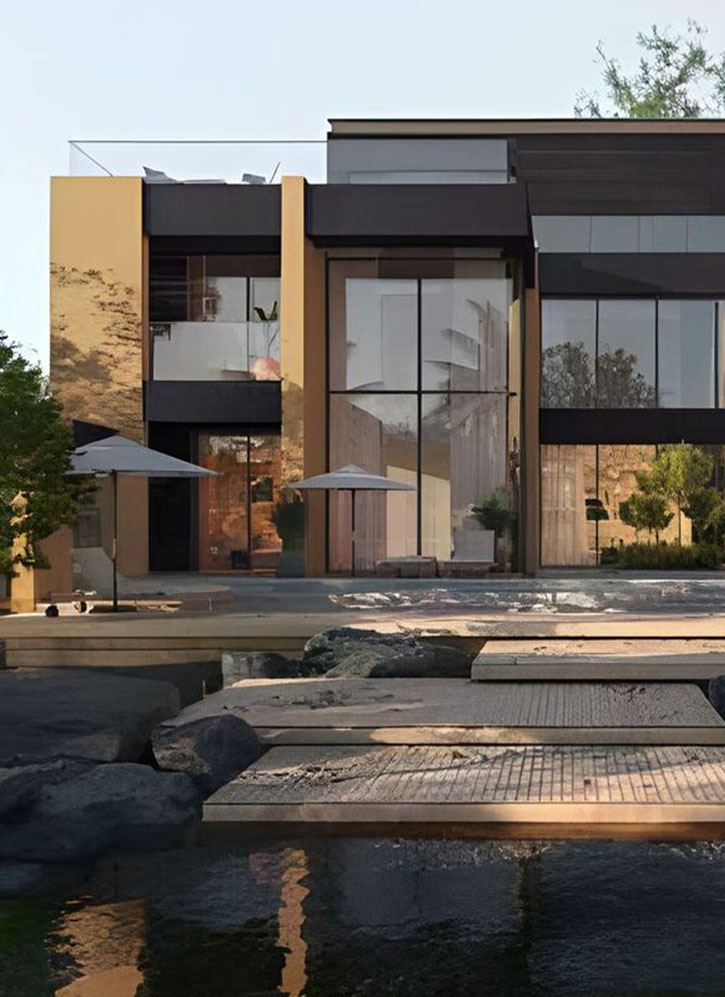
2800000
1725269320000
Dubai
From 2 800 000 AED (762 400 $)
Handover: Q2 2028
Developer: Aldar
Area: Dubailand
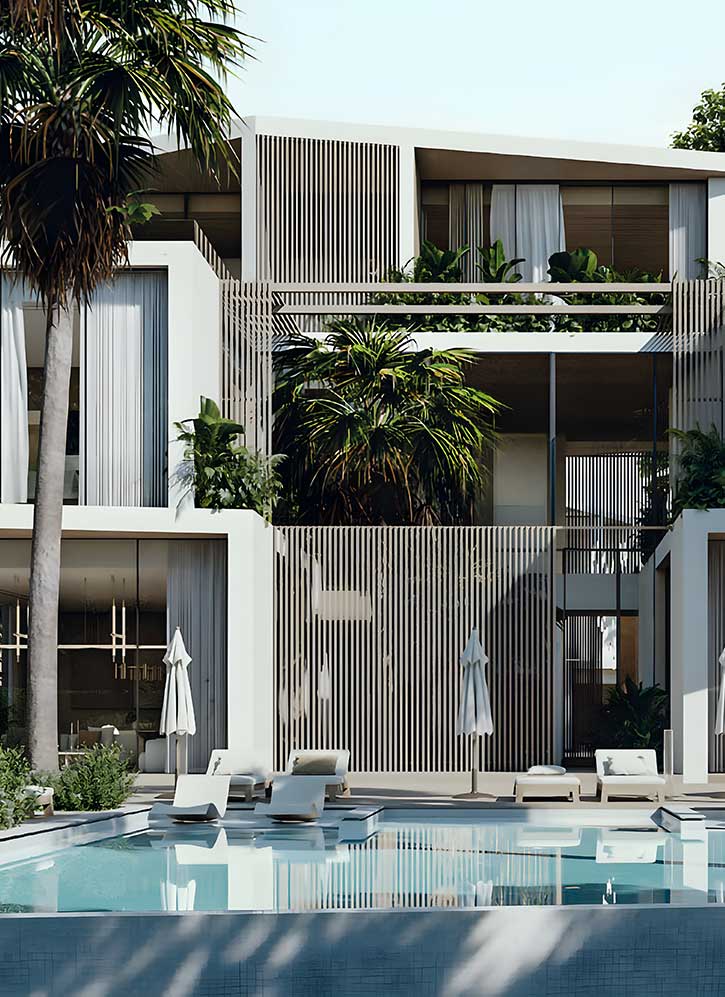
Dubai
From 40 000 000 AED (10 890 900 $)
Handover: Q4 2026
Developer: Al Barari
Area: Al Barari

40000000
1725269320000
Dubai
From 40 000 000 AED (10 890 900 $)
Handover: Q4 2026
Developer: Al Barari
Area: Al Barari
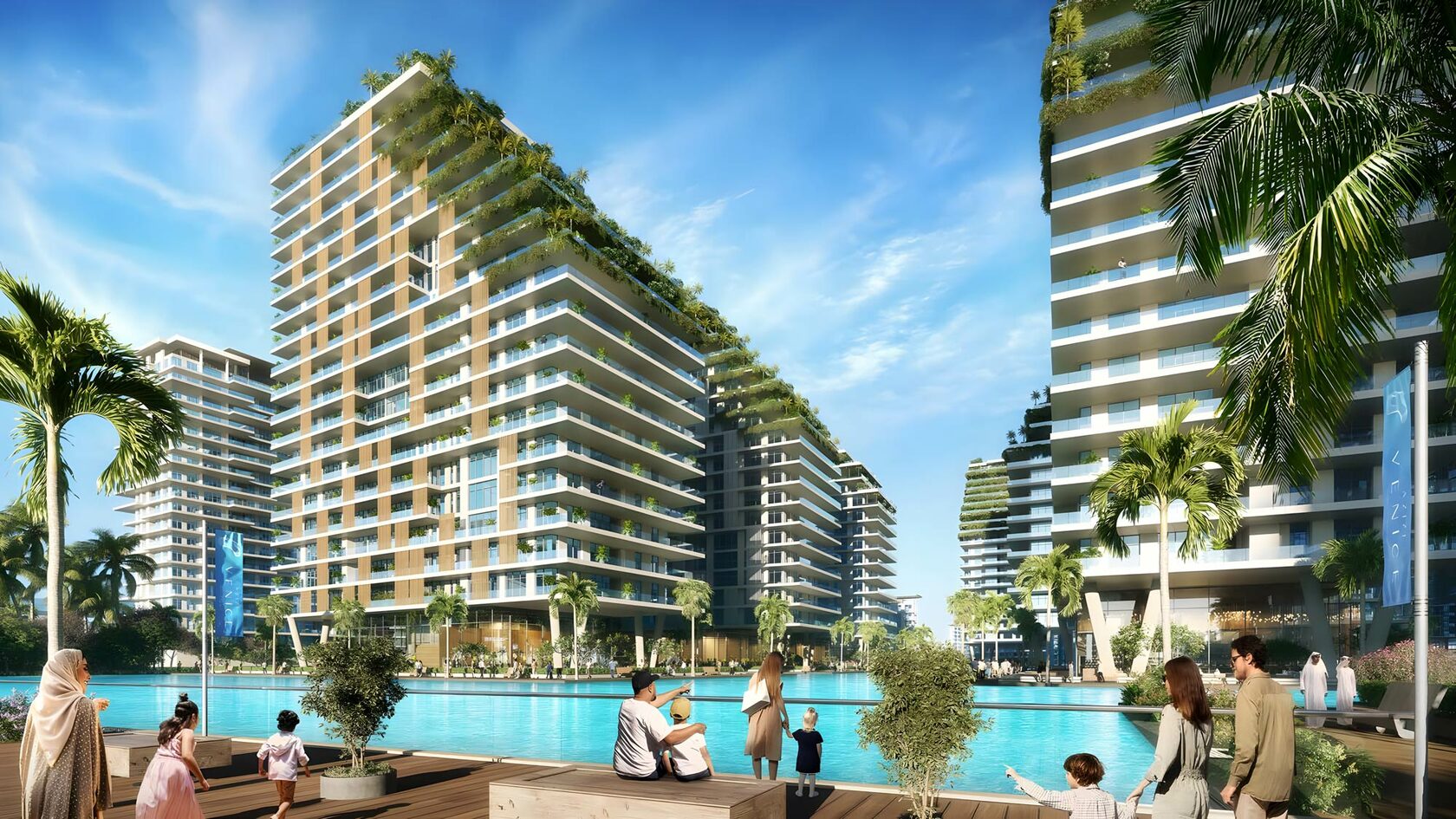

600000
1725269320000
Dubai
From 600 000 AED (163 000 $)
Handover: Q4 2026
Developer: Azizi
Area: Dubai South
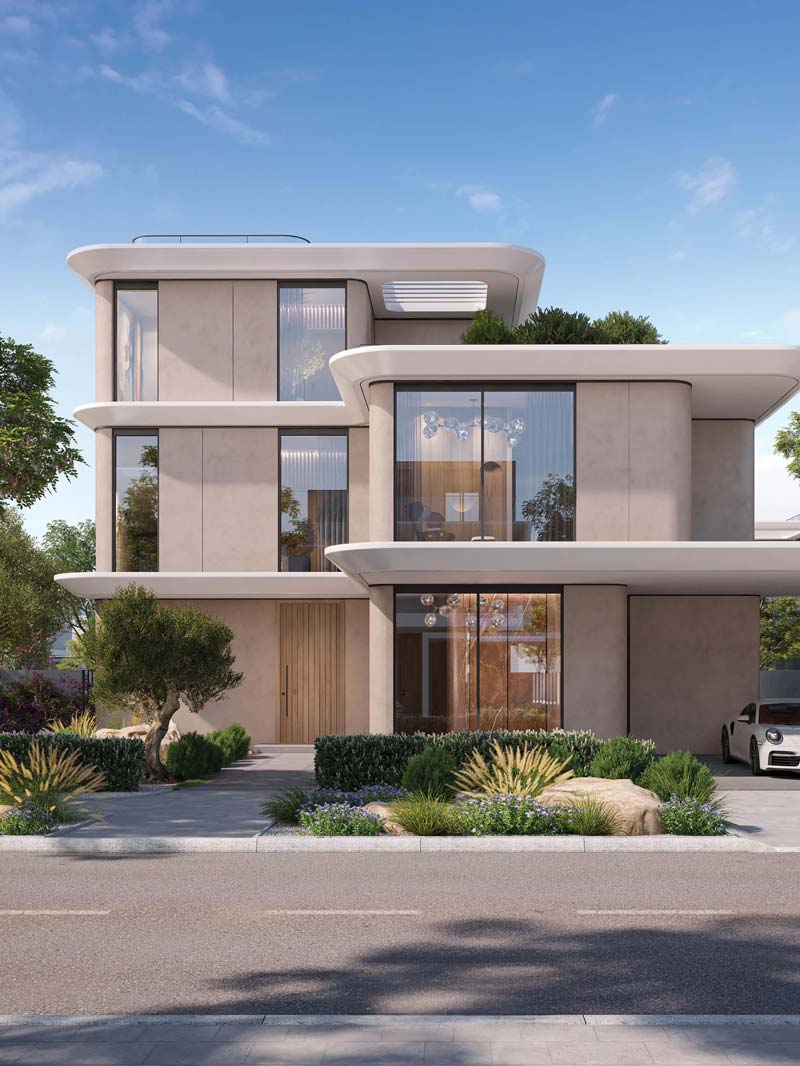
Dubai
From 10 400 000 AED (2 831 700 $)
Handover: Q4 2027
Developer: Emaar Properties
Area: Dubai Hills Estate
10400000
1725269320000
Dubai
From 10 400 000 AED (2 831 700 $)
Handover: Q4 2027
Developer: Emaar Properties
Area: Dubai Hills Estate
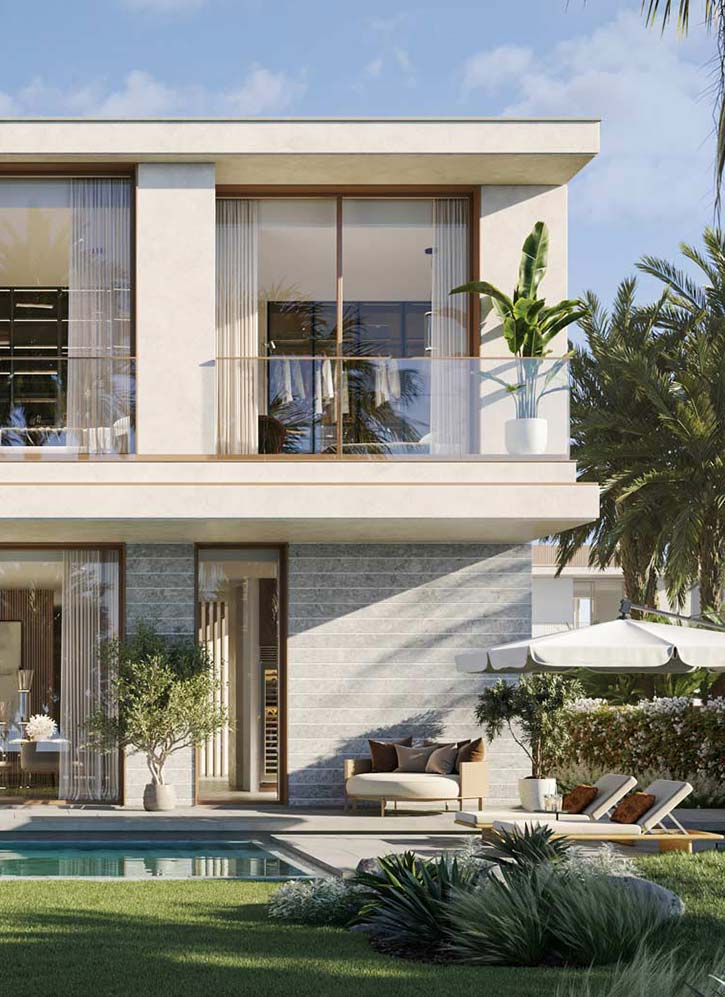
Dubai
From 4 000 000 AED (1 089 000 $)
Handover: Q2 2027
Developer: Nakheel
Area: Dubai Islands
4000000
1725269320000
Dubai
From 4 000 000 AED (1 089 000 $)
Handover: Q2 2027
Developer: Nakheel
Area: Dubai Islands
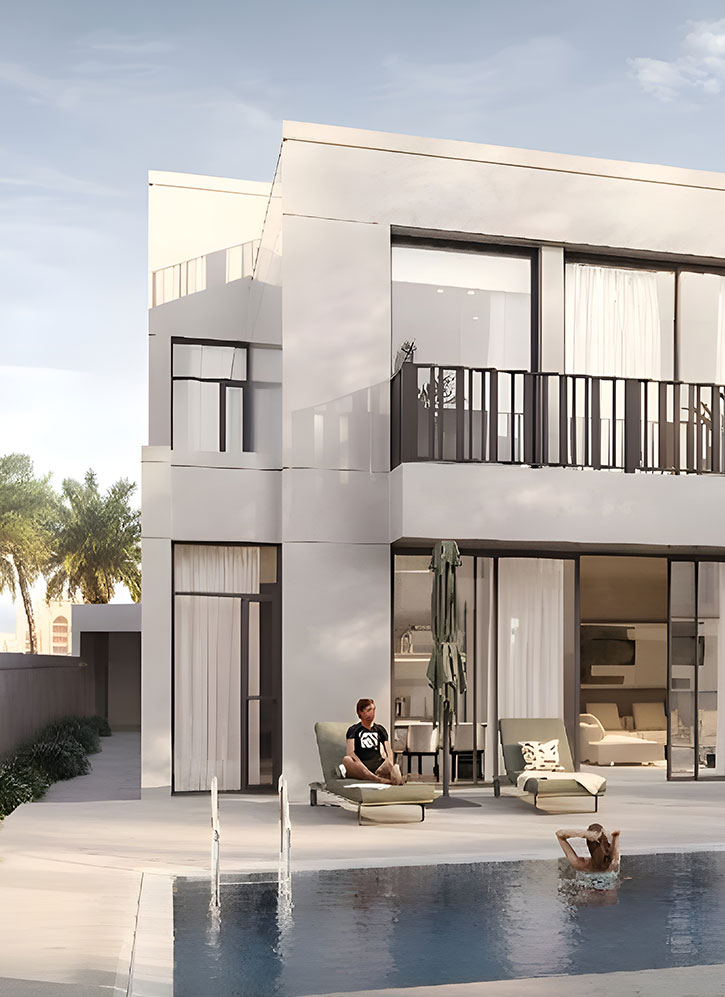
Dubai
From 9 000 000 AED (2 450 400 $)
Handover: Q1 2026
Developer: H&H Development
Area: Jumeirah Park
9000000
1725269320000
Dubai
From 9 000 000 AED (2 450 400 $)
Handover: Q1 2026
Developer: H&H Development
Area: Jumeirah Park
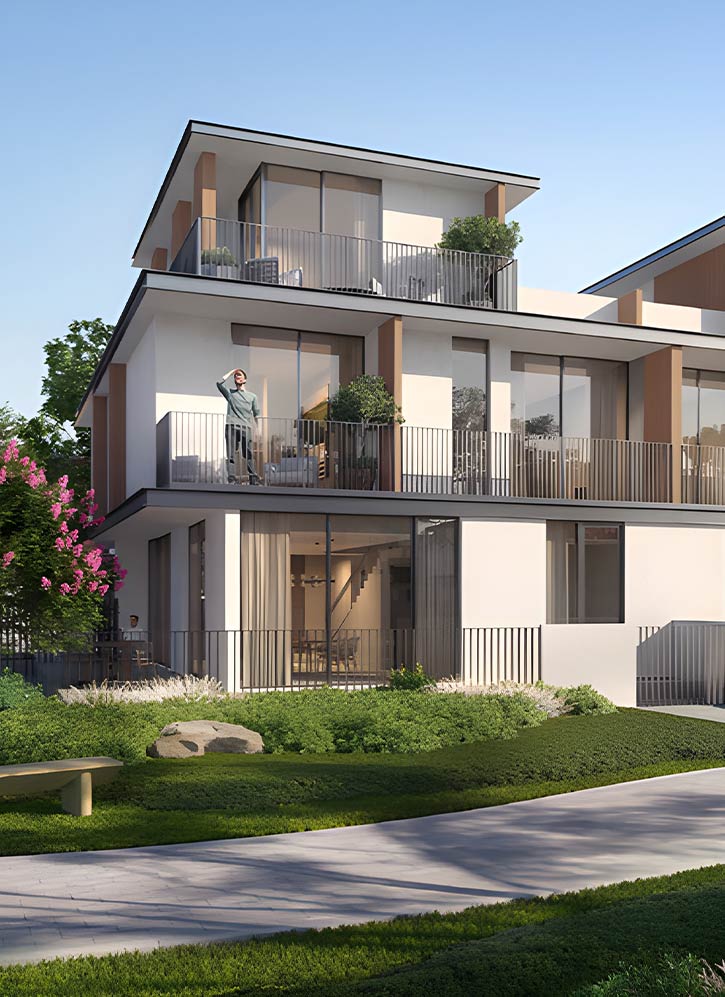
Dubai
From 2 490 000 AED (677 900 $)
Handover: Q4 2028
Developer: Emaar Properties
Area: The Heights Country Club & Wellness
2490000
1725269320000
Dubai
From 2 490 000 AED (677 900 $)
Handover: Q4 2028
Developer: Emaar Properties
Area: The Heights Country Club & Wellness
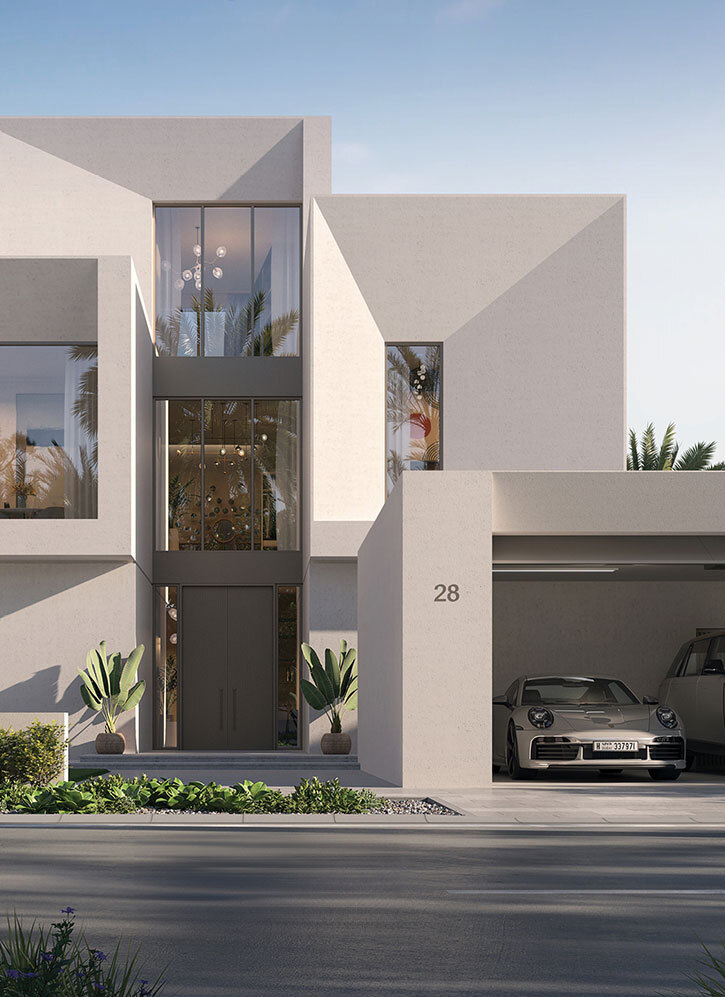
Dubai
From 15 800 000 AED (4 302 200 $)
Handover: Q2 2028
Developer: Emaar Properties
Area: Emaar The Oasis
15800000
1725269320000
Dubai
From 15 800 000 AED (4 302 200 $)
Handover: Q2 2028
Developer: Emaar Properties
Area: Emaar The Oasis
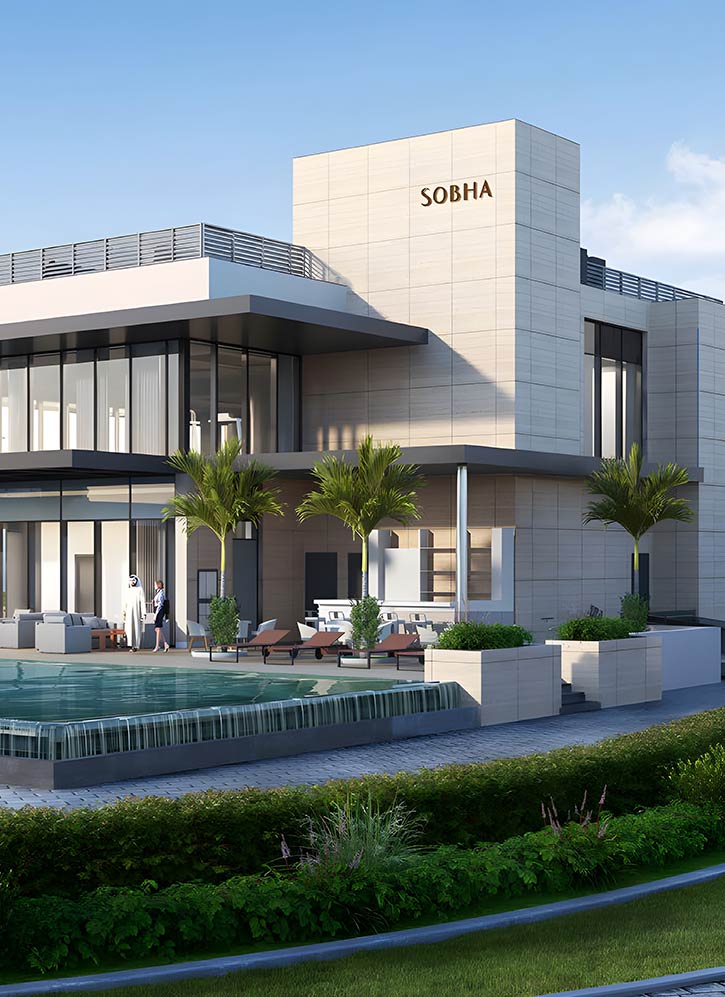
Dubai
From 7 932 000 AED (2 159 500 $)
Handover: Q4 2027
Developer: Sobha Realty
Area: Dubailand
7932000
1725269320000
Dubai
From 7 932 000 AED (2 159 500 $)
Handover: Q4 2027
Developer: Sobha Realty
Area: Dubailand
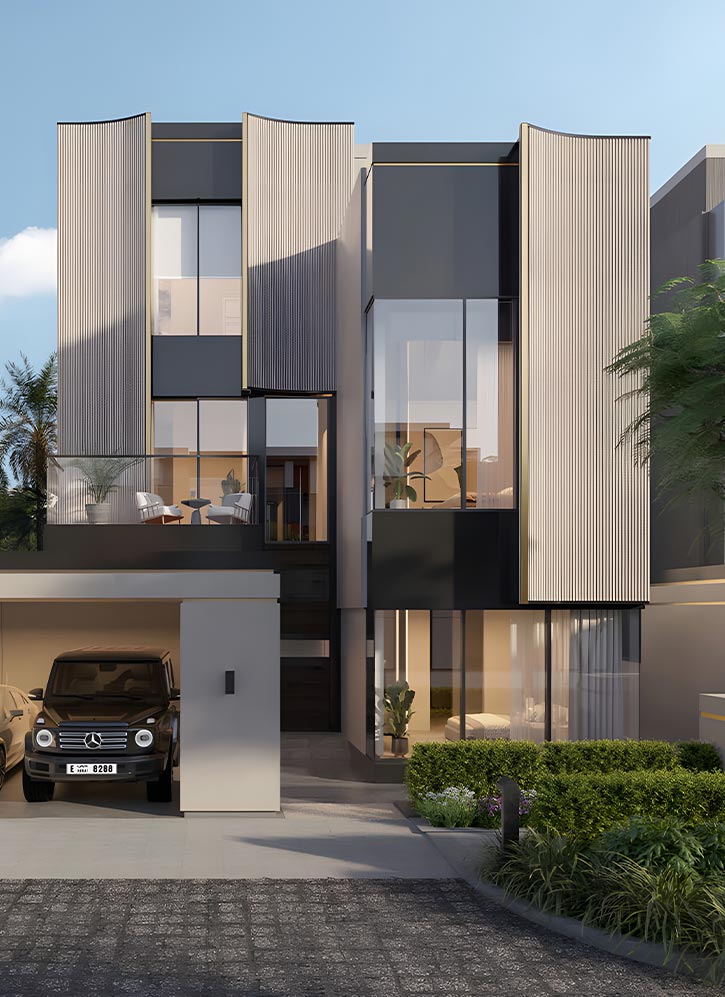
Dubai
From 6 000 000 AED (1 633 500 $)
Handover: Q4 2027
Developer: Ellington
Area: Meydan

6000000
1725269320000
Dubai
From 6 000 000 AED (1 633 500 $)
Handover: Q4 2027
Developer: Ellington
Area: Meydan
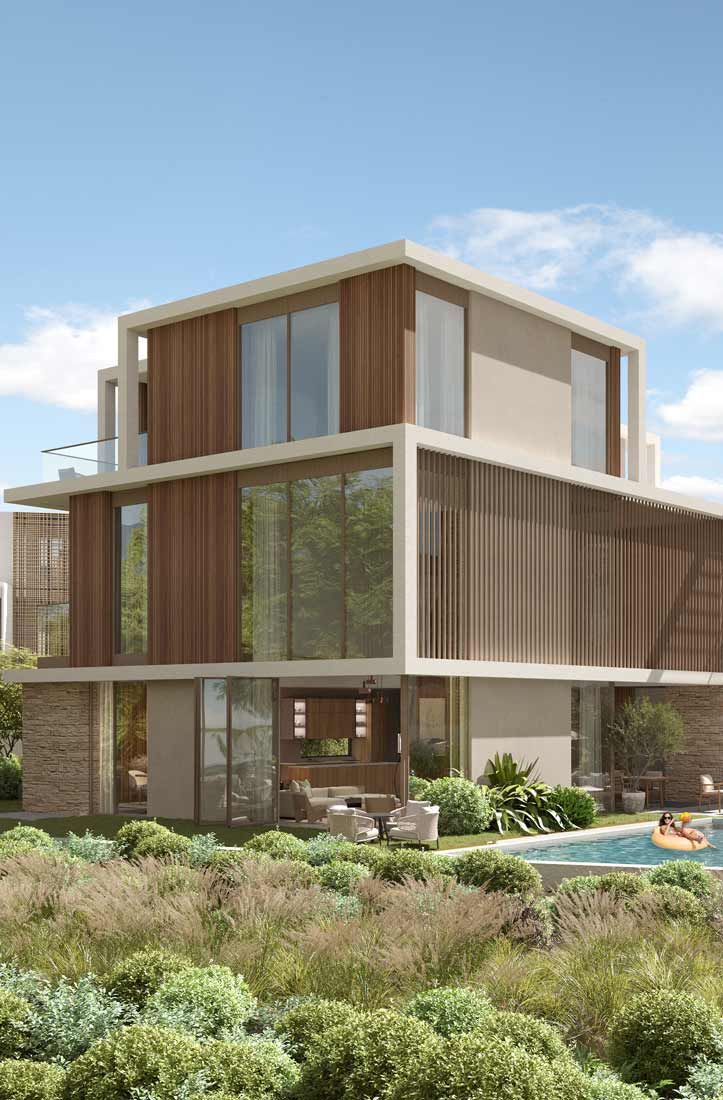
Dubai
From 10 400 000 AED (1 497 500 $)
Handover: Q4 2027
Developer: Meraas
Area: Dubailand
10400000
1725269320000
Dubai
From 10 400 000 AED (1 497 500 $)
Handover: Q4 2027
Developer: Meraas
Area: Dubailand
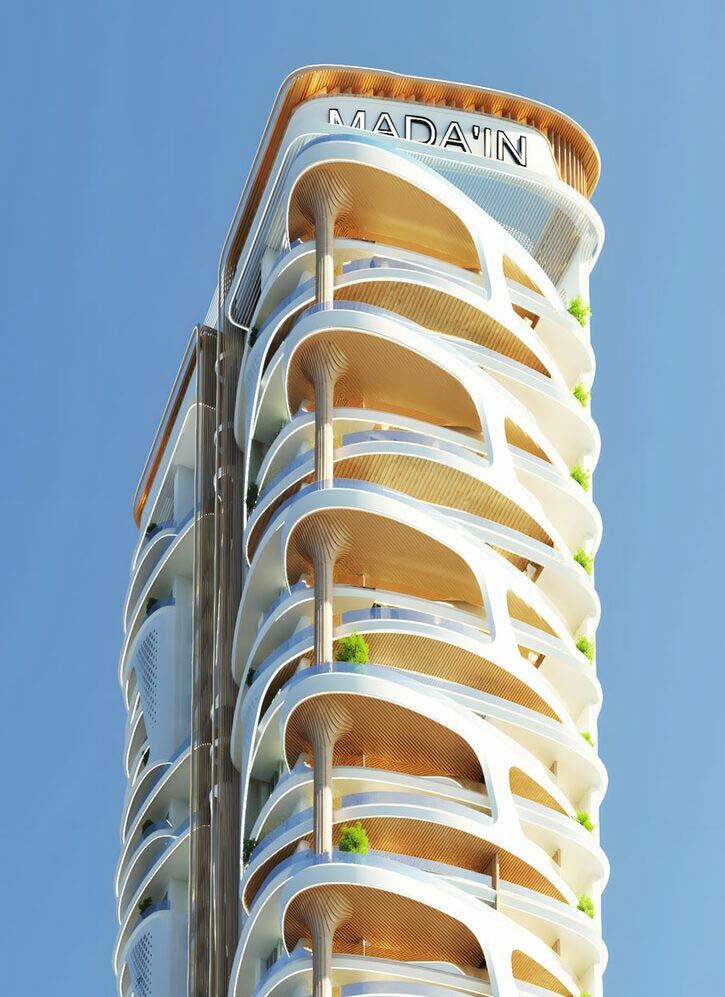
Dubai
From 1 800 000 AED (490 100 $)
Handover: Q1 2027
Developer: Mada’in Properties
Area: Dubai Marina

1800000
1725269320000
Dubai
From 1 800 000 AED (490 100 $)
Handover: Q1 2027
Developer: Mada’in Properties
Area: Dubai Marina
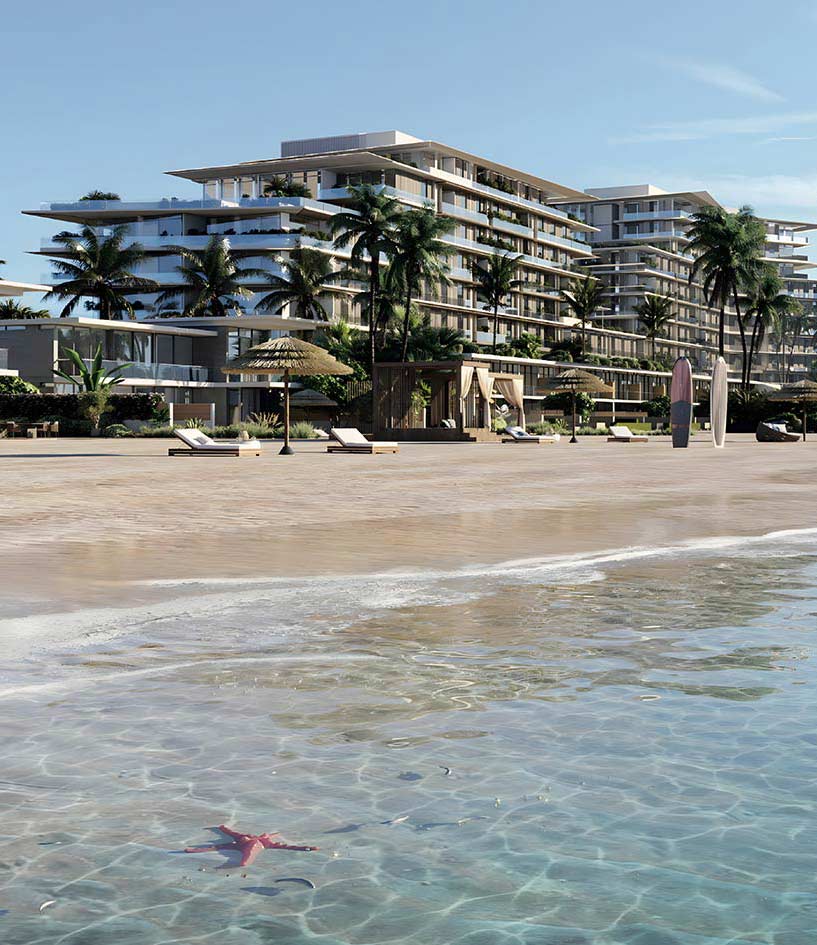
Dubai
From 2 600 000 AED (707 900 $)
Handover: Q4 2026
Developer: Nakheel
Area: Dubai Islands
2600000
1725269320000
Dubai
From 2 600 000 AED (707 900 $)
Handover: Q4 2026
Developer: Nakheel
Area: Dubai Islands
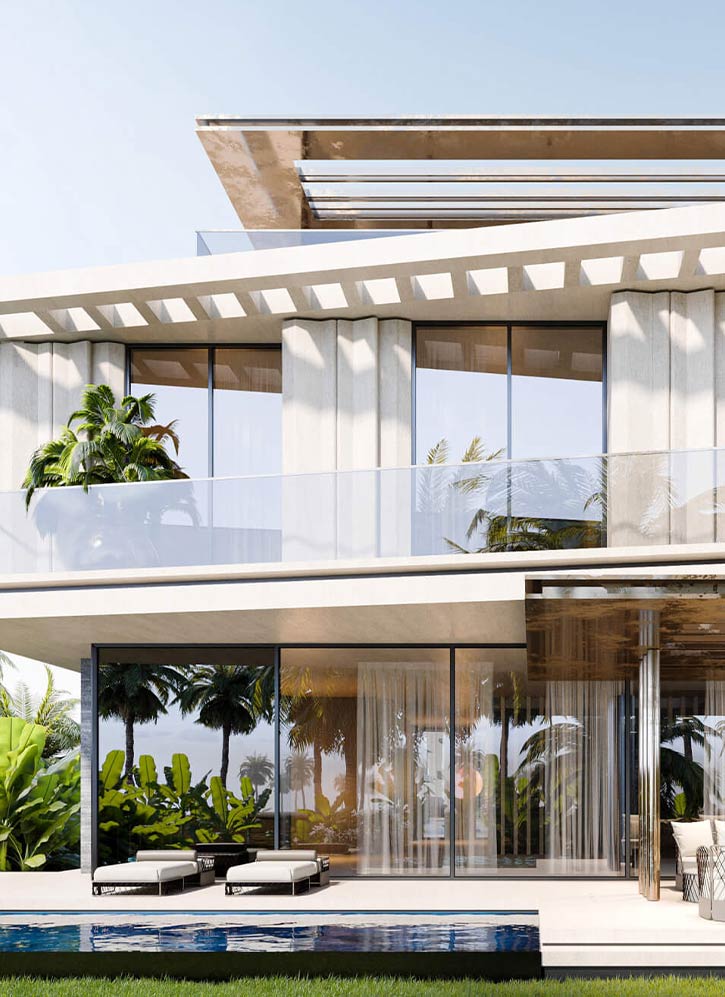
Dubai
From 20 000 000 AED (5 445 400 $)
Handover: Q2 2026
Developer: Mira Developments
Area: Meydan

20000000
1725269320000
Dubai
From 20 000 000 AED (5 445 400 $)
Handover: Q2 2026
Developer: Mira Developments
Area: Meydan
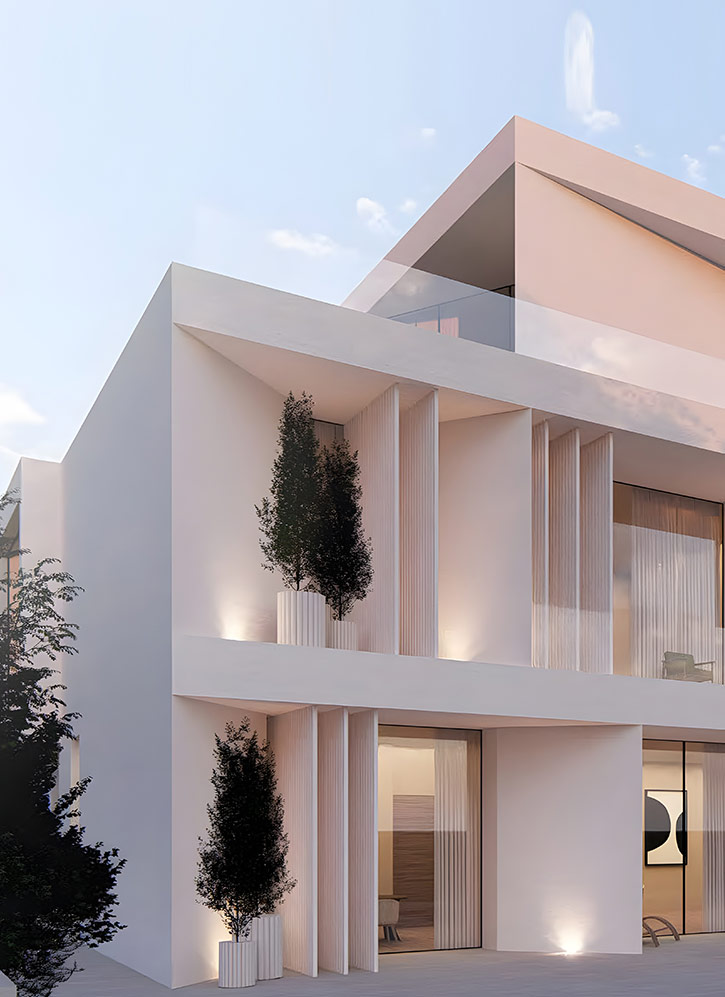
Dubai
From 39 900 000 AED (10 863 100 $)
Handover: Ready
Developer: Al Barari
Area: Al Barari
39900000
1725269320000
Dubai
From 39 900 000 AED (10 863 100 $)
Handover: Ready
Developer: Al Barari
Area: Al Barari
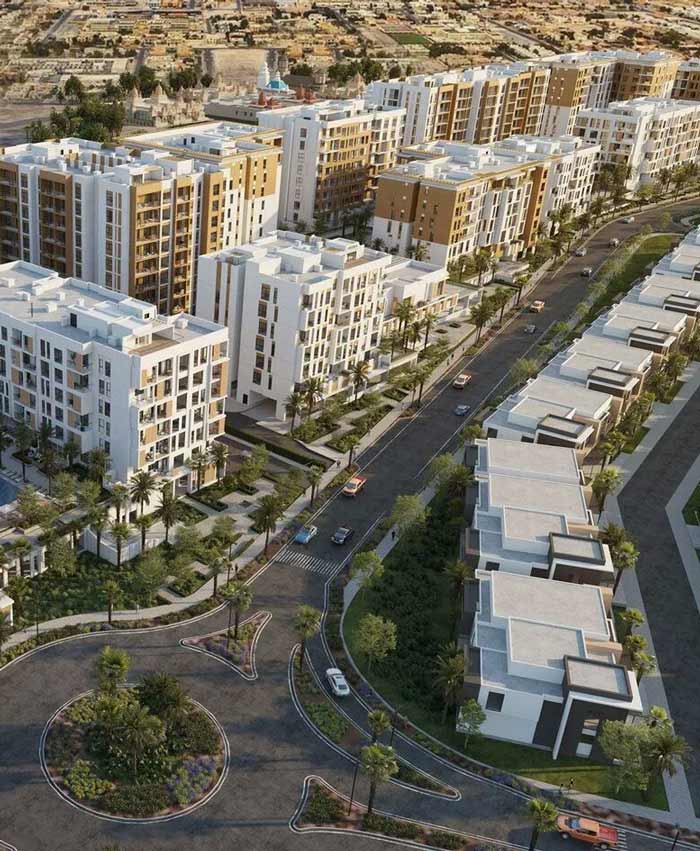
Dubai
From 850 000 AED (231 400 $)
Handover: Q3 2027
Developer: Wasl
Area: Wasl Gate
850000
1725269320000
Dubai
From 850 000 AED (231 400 $)
Handover: Q3 2027
Developer: Wasl
Area: Wasl Gate
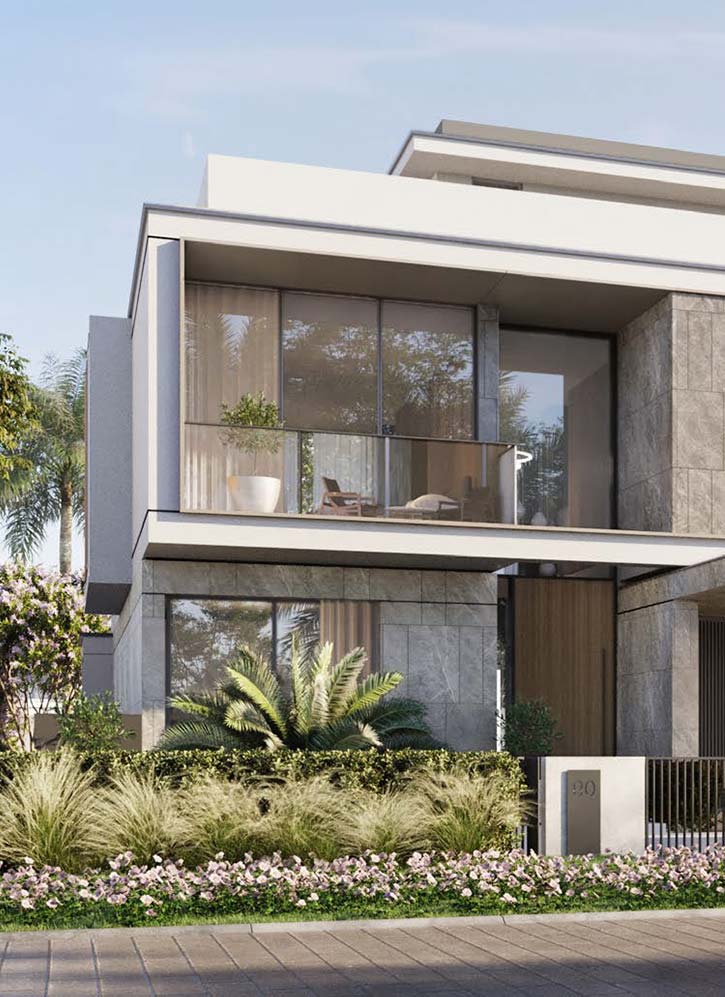
Dubai
From 12 000 000 AED (3 267 200 $)
Handover: Q1 2028
Developer: Nakheel
Area: MBR City
12000000
1725269320000
Dubai
From 12 000 000 AED (3 267 200 $)
Handover: Q1 2028
Developer: Nakheel
Area: MBR City
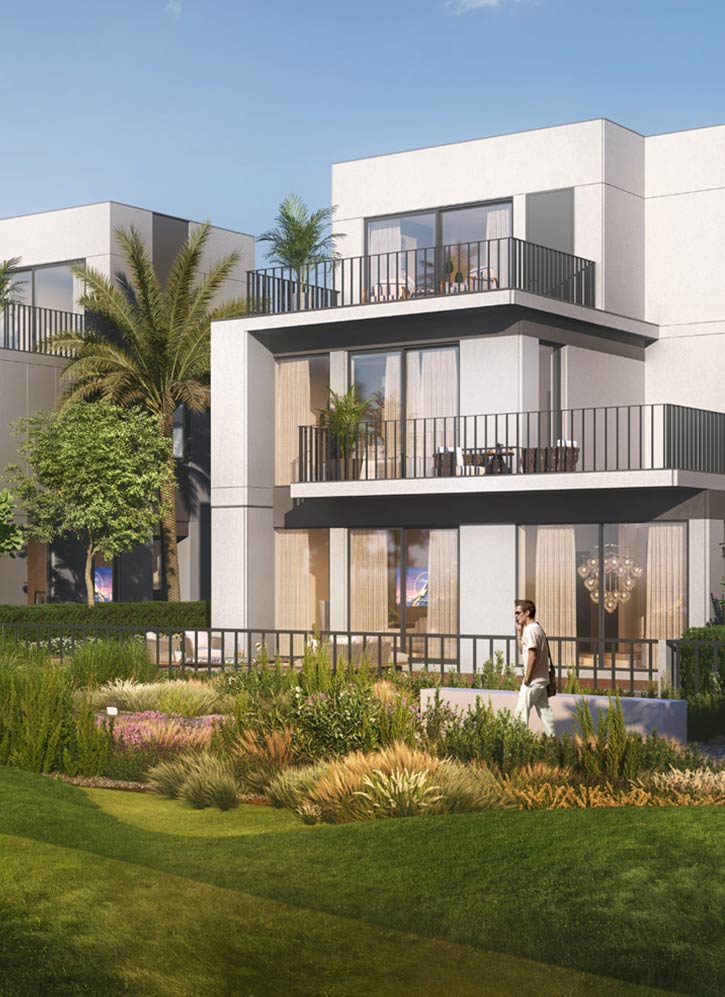
Dubai
From 4 390 000 AED (1 195 200 $)
Handover: Q1 2028
Developer: Emaar Properties
Area: Emaar South
4390000
1725269320000
Dubai
From 4 390 000 AED (1 195 200 $)
Handover: Q1 2028
Developer: Emaar Properties
Area: Emaar South
Best Properties of The Month
in The UAE Selected by Experts

Explore the new real estate projects
that we recommend in September 2026
The Month's Best
Properties in UAE
Selected by Experts
Buying Off-Plan Properties in Dubai & The UAE: How It Works and How The Emirates Differ
The residential property market in the UAE has long been one of the most dynamic investment platforms in the world. Capital flows in from Europe, Asia, and America, the country's population is growing, infrastructure is developing, and the urban environment is improving. With all this in mind, it has become popular to buy property there at the construction stage, which is known as “off-plan”.
In this case, the initial prices are lower, flexible payment plans can be used, and you can also earn money from the increase in property values as construction progresses. Below, we’ll take a detailed look at why the UAE is a safe and fast-growing jurisdiction for investment today, how to buy off-plan properties, what to pay attention to, and how the emirates differ in this regard.
Why The UAE is A Safe Investment Environment with The Steady Growth
Security is strong here thanks to political stability, predictable local policies, and protection of property rights. Investors need to understand all the rules in advance — developers are required to disclose information and use escrow accounts, and for property buyers, the procedures for registering transactions and obtaining documents are as simple and straightforward as possible. State registrars and specialized departments have digital databases, and all the key actions, from booking to registration of ownership, have long been transferred to electronic format. This reduces the risk of errors and speeds up transactions.
The economic environment here is showing steady growth, complementing the security. The country's authorities are investing in transport, healthcare, education, and “green” energy, developing logistics and tourist areas, and regularly hosting major international events. Businesses here enjoy a favorable tax regime, and don’t forget about simplified visa programs for investors and qualified specialists.
As a result, both internal migration and the influx of expats support stable demand for residential property rentals and purchases, and thus the liquidity of the market as a whole. The urban environment here is rapidly evolving — new embankments and parks are appearing, cultural events are being held, and large developers are launching entire “cities within cities” with their own infrastructure.
The practice of protecting buyers while such transactions is worth mentioning separately. In such cases, investors' money is kept in special escrow accounts and transferred to the developer only as the certain stages of construction are completed. The projects are subject to mandatory registration, and all basic contracts are standardized.
The state also regulates warranty periods — the buildings are protected by a long-term warranty, and the engineering and finishing work are also covered by a warranty after transfer of the property. These mechanisms minimize the main risk in such cases, which is, as we know, non-completion or late delivery of the property.
What is The Essence of Buying Off-Plan Properties in Dubai & The UAE and How Do Such Transactions Work?
Buying off-plan property in Dubai & the UAE means entering a project before its actual completion. The first payment in such cases is usually lower than while buying a ready-made home, and the final price at the early stages is more attractive thanks to a discount for the waiting period.
In the case of such a transaction, the buyer signs a purchase agreement with a payment schedule in stages and then registers it in the relevant emirate department. After that, the funds are transferred to an escrow account and are only released as specific construction and installation works are completed, which ensures a balance between the interests of the buyer and the developer.
At this phase, the property is cheaper, but as construction progresses and completion of the project approaches, the price per square meter usually increases.
At certain stages, it is possible to transfer the rights before the project is completed, and after its completion, either sell the finished asset or rent out the property and get passive income. In a stable market, reliable developers also offer installment plans where the part of the cost is paid after the keys are handed over, which reduces the financial burden on the investor.
How is The Property Buyer in Dubai & The UAE Protected: Escrow Accounts, Registration, Guarantees
The most important element of buyer security is the so-called escrow account. In this case, the buyer doesn’t pay the developer directly, but their funds are transferred to a special project account, access to which is linked to the completion of a specific work, as confirmed by special engineering supervision.
Each project must be registered with the relevant emirate department, and it has unique identifiers, as well as a link to the land plot and permit documentation. The purchase and sale agreement itself is registered in an electronic registry, which makes it possible to subsequently register ownership of the finished property.
There are different types of warranty obligations here. The building structure itself is covered by a long-term warranty, while the engineering systems and finishes are covered by a warranty period for defects after transfer.
The buyer is given time to inspect the property before acceptance, and the developer is obliged to remedy any defects found. All this is specified in the contracts, and any disputes are resolved administratively or through court and arbitration, which is also specified in the documents.
Step-by-Step Process of Buying Off-Plan Property in Dubai & The UAE
The first step in this case is picking a specific project and developer. Here, you need to look not only at the visualizations, but also at the history of the developer's previous projects, their portfolio of completed projects, the quality of community management, and price dynamics in a particular location. Next, an expert consultant helps you compare project plans, actual construction deadlines, transport accessibility, and development plans for the area.
After that, the reservation is made. Here, the buyer receives a reservation form, makes a deposit, and goes through other necessary procedures. At this stage, the choice of layout, floor, view from the windows, and cost of the property are fixed. Then, the main purchase agreement is signed, which describes the property in detail, the construction schedule, the payment plan, the terms for changing the specifications, and the developer's responsibility for delays.
The next step is registering the agreement in the registry of the relevant emirate. This is an electronic procedure that requires passport details, address, confirmation of payment of the registration fee, and the agreement itself. After that, the buyer's rights are recorded in the registry, and all payments according to the schedule will go to the project's escrow account. If the buyer uses a mortgage, a bank is also connected to the financing scheme — it transfers funds in installments in accordance with the completed stages of construction.
Upon completion of the project, the developer sends the buyer a notification that the property is ready for transfer. The buyer conducts an inspection using a special checklist for finishing and engineering systems, and then signs the transfer and acceptance certificate. Subsequently, the final fees are paid, registration is completed, and the management company grants the buyer access.
After final payment and commissioning, the buyer receives ownership rights — the so-called title. If the property is to be rented out, contracts are drawn up, personal accounts are opened with utility providers, and a management format is chosen — either independently or through a special company.
Financing and Payments — Installment Plans, Mortgages, UAE Visa Issues
Most transactions for the off-plan properties in the UAE are made through installment plans by developers. In the early stages, there are often “phased” plans, where shares of the cost are linked to the completion of certain stages of construction.
At later stages, there may be schemes where a significant part of the price is transferred to the period after completion, thus reducing the peak load on the investor. Mortgage lending is also possible in such cases. Banks accredit specific projects and disburse funds to developers in installments as the work progresses. Specific terms may depend on the status of the client, the size of the initial deposit, and the credit policy of the bank.
Large investments in property allow buyers to obtain long-term residence visas. In such cases, the cost threshold and additional conditions for the property and payment play a role — they are periodically revised, so it is important to check the current rules at the time of the transaction and act through an accredited consultant.
Taxes and Operating Fees
The UAE market is attractive because there are no property taxes in the sense familiar to many countries, and there is no capital gains tax on sales for private individuals.
However, registration fees and payments do exist — they are set at the emirate level. In addition, the UAE has annual service charges for the operation of common property and maintenance of community infrastructure.
VAT also applies to certain categories of properties, and the construction of new residential properties is regulated in a special way. Specific rates and payment procedures depend on the type of property and the stage of the transaction, and should be clarified directly for the selected project and jurisdiction.
Risks and How to Minimize Them
The main risks associated with such purchases are delays, market and liquidity volatility, and the financial stability of developers. These risks can be mitigated in various ways, such as choosing reputable developers, carefully analyzing permits and the status of escrow accounts, reviewing the construction schedule, and reserving liquidity in case of any changes.
Careful reading of the contract plays an important role here. Specifically, you should pay attention to the procedure for compensation for delays, the description of force majeure, the rules for changing specifications, the conditions for assignment before the project is put into operation, as well as the defect period and guarantees.
Dubai: Well-Established Transaction Infrastructure and Thousands Projects
Dubai is the largest and most international residential property market in the UAE. It has a well-developed system with registrars, industry regulators, and a digital registry — virtually any transaction in Dubai can be done online.
Developers offer a variety of projects, ranging from coastal resort communities to urban districts near business centers to family-friendly areas with parks and schools. For investors, this means a wide choice in terms of budget, timing, and strategy, from early-stage purchases with resale potential to buying properties to rent out in popular locations.
Buying an off-plan property in Dubai involves making a reservation, signing a contract, registering, and paying according to the schedule into an escrow account. The law allows for the transfer of rights within the terms of the project, and many developers offer payment plans that allow the majority of the amount to be paid after the property has been handed over.
Demand from tenants remains high due to population growth, tourism, and business activity, which is why investors often consider readiness for occupancy as the second milestone in the property's return on investment.
Abu Dhabi: A More Relaxed Pace and Strong Developers
The UAE's capital has a more subdued pace. There are large master developers building large mixed-use communities that combine housing, public spaces, and commercial infrastructure.
All transactions and projects under construction are registered with the relevant departments of the capital, where escrow accounts and full disclosure of information are mandatory. There are separate areas where foreigners are allowed to buy properties, and new projects are actively adding to this pool.
Abu Dhabi may be interesting to investors who value predictable price dynamics and longer-term plans. There are fewer speculative surges here, but the share of end users is high — these are families of those who work in the government and large companies.
The rental market is supported by stable employment and a high level of urban infrastructure. Buying an off-plan housing here follows roughly the same pattern: reservation, contract, registration, and installment payments, followed by the detailed inspection and registration of ownership upon transfer.
Sharjah: Family Communities and Transaction Security
Sharjah is often positioned as the “cultural capital” of the UAE with a serious educational and museum infrastructure. The property market here is focused on family life, parks, and access to schools and universities.
For foreigners who want to buy a home, there are special zones in Sharjah, and the emergence of new projects indicates that these areas are expanding. Transaction registration in Sharjah is streamlined, with escrow accounts and clear disclosure requirements.
From an investment perspective, Sharjah attracts buyers with its lower entry threshold and steady demand for rentals from families working here or in the neighboring Dubai and Ajman. Housing payment plans in Sharjah are balanced, and the pace of construction is complemented by the development of roads, schools, and commercial spaces.
Ras Al Khaimah: A New Resort and Growing Liquidity
This northern emirate is actively developing as a resort with coastal property projects, marinas, and hotel infrastructure. Local developers are creating large coastal communities that include apartments, townhouses, and villas. The registration of transactions regarding off-plan properties here is centralized, escrow accounts exist, and buyers follow the same standard cycle of reservation, contract, and installment payments.
The investment appeal of Ras Al Khaimah is linked to tourism and the limited supply of beachfront properties. Many investors here are considering short-term rentals due to the high influx of vacationers during the season.
The entry threshold here is lower than in the expensive coastal areas of Dubai, and the waterfront location creates steady demand. Remember, it is important to consider the specifics of rental management and choose a manager carefully to ensure stable occupancy and quality service.
Ajman: Affordable Housing and Good Rental Demand
Ajman is a small emirate with its own business and social center, not far from the northern areas of Dubai and Sharjah. The property market here offers more affordable prices, making Ajman attractive for first-time investors and those looking to diversify their portfolio.
Registration procedures and, in general, the schemes for buying off-plan housing in these areas are in line with the standard practice in the UAE: a contract, an escrow account, phased payments, and electronic registration.
Demand for property here remains steady thanks to growing infrastructure and internal migration. Many families choose Ajman because of the combination of housing prices and quality of life, while those working in neighboring emirates often rent properties here due to the transport links.
For investors, all this means decent rental yields at moderate property prices. It’s important to take the choice of location within the emirate and the management company seriously — the quality of operational management here can be critical for maintaining rates and occupancy.
Umm Al Quwain: A Balanced Market and Niche Resort Projects
Umm Al Quwain is the quietest of the UAE emirates, with extensive lagoons and natural beauty. New property construction here is developing in a targeted manner, thanks to the coastal projects and small communities with low-rise buildings.
For buyers, this is a market where the quality of the developer and the transparency of transactions are particularly important — the smaller scale means the developer's reputation and strict adherence to regulations are very important.
Investments here are attractive due to limited supply, natural surroundings, and resort infrastructure. Yields are based on a combination of seasonal demand and long-term rentals for families who love peace and nature.
Operating costs in Umm Al Quwain are usually moderate, and the transaction process doesn’t differ from the general rules of the UAE — it is the same booking, contract, registration, escrow, and staged payments until the transfer of the property.
How to Choose The Right Property and What to Look for in The Documents
When choosing a project, 3 things are critical. The first is the developer and its project history — what properties have already been completed, whether deadlines and specifications have been met, and how the existing communities are managed. The second is the location and local infrastructure — transport accessibility, schools, medical facilities, shopping and entertainment centers, parks, coastline, and public spaces.
The third is the economics of the deal — the payment plan, the proportion of contributions before and after completion, the realism of the stated construction deadlines, the compensation for delays provided for in the contract, and the procedure of making changes.
The contract should be carefully read for sections on force majeure, variations in finishes and materials, the warranty period, the rules for assignment before project completion, and the distribution of common property maintenance costs.
The existence of an escrow account, project registration, and transparency of related permits are essential before moving forward. If you plan to take a mortgage, you should understand which banks have accredited the project and under what conditions they can lend you money.
What Next?
If the goal is resale, the key to success is buying early, choosing popular layouts, and monitoring the stages of construction when liquidity is at its highest. For long-term ownership, it is important to consider management — it can be independent or through an operator.
It is also worth considering the class of tenants, the target contract term, the seasonality of rentals, the range of services, and community rules. But in practice, profitability is well maintained thanks to the quality of community management and transparency of service charge calculations.
Conclusion
Buying off-plan properties in the UAE is a mature and well-regulated instrument that combines buyer protection, flexible financing, and capital growth potential. Dubai offers the widest choice of properties, Abu Dhabi offers stability and long-term planning horizons, Sharjah offers family infrastructure and accessibility, while Ras Al Khaimah offers a resort environment. Ajman has a reasonable entry threshold with decent rental income, and Umm Al Quwain offers niche projects with an emphasis on proximity to natural beauty.
However, regardless of the emirate chosen, the success of such deals is determined by the developer's class, the transparency of documents, discipline in following the schedule, and the right strategy after the title is registered.
With this approach, the UAE property market reveals its main value — a combination of security and steady growth.
The Popular Questions of Buying Off-Plan Property in Dubai & The UAE
Is it true that Dubai and other emirates in the UAE are safe and promising destinations for property investments?

The UAE offers a rare combination of political stability, a predictable legal framework, and a serious government development strategy. The authorities in Dubai and Abu Dhabi are constantly investing in infrastructure, logistics, tourism, and green energy. The population and number of tourists in the UAE are growing, which supports demand for housing and rentals. In addition, there is a system in place to protect buyers: all projects must have escrow accounts, all buyer payments are linked to actual construction stages, and the market is served by reliable developers with good reputations. In terms of taxes, everything is very liberal by international standards — there is no capital gains tax on sales by individuals in the UAE, and there is no property tax either — this, of course, improves net returns. As a result, the local market is considered relatively safe with high liquidity at the stage of completion and subsequent resale of real estate.
Why buy off-plan properties in Dubai & UAE, and who is it suitable for?
Buying properties at the construction stage (off-plan) is essentially purchasing a home in the early stages, when construction is still underway. The main advantages in this case are a lower starting price compared to finished properties, flexible installment plans from developers, and the likely increase in property value by the time the project is completed. For investors, this is an opportunity to make a good profit, and for home buyers, it is a chance to choose the layout, view from the windows, and floor. The only problem is that you have to wait for the work to be completed and take risks, which, however, are mitigated by regulation and the choice of a reliable developer.
What does the process of such a purchase in the UAE look like?
First, you need to decide on your budget and strategy. That is, decide what is important to you — rental income, resale of the property at the right time, or long-term ownership. Next, you need to choose a developer and a specific project, study the master plan of the area, the timing, and the history of the developer's previous launches. After booking a property, a special document or preliminary agreement is signed and the first payment is made. Then the main purchase agreement is concluded, which specifies the price, payment plan, terms, and warranty obligations. In Dubai, such purchases are registered in the Oqood system of the land department; in other emirates, there will be corresponding registries. The funds do not go directly to the developer, but to a special “escrow account” for the project and are released as certain stages of construction are completed. Upon completion of the project, the developer receives a permit to commission the property, and the buyer conducts an inspection, signs the transfer and acceptance certificate, and receives the keys. If a mortgage is involved, the bank accompanies the registration of the collateral and the final settlements. After moving in, service contracts are signed, agreements are concluded with the management company, and, if necessary, a lease agreement is registered.
What documents and checks are important to start with?
Request confirmation of the developer's right to the land and check the availability of project documentation, clarify the status of the escrow account, ask about insurance, and ask about guarantees for the quality of construction and finishing. Check whether there are any restrictions or encumbrances on the project, study the history of the developer's completed projects and see if the deadlines were met before. As for the contract, carefully review the terms of default, force majeure, changes in the layout, as well as the rules for reselling the property before delivery. Make sure that the payment schedule is linked to the stages of completion and that you understand the situation with penalties and commissions in advance.
Is it possible to take out a mortgage in UAE when buying an off-plan property, and what costs might be involved?
In the UAE, both installment plans from developers and bank products are available during the construction phase and after the project is completed. A common approach is to pay part of the price according to a schedule during the construction phase and pay the balance with a mortgage when you receive the keys. The bank will ask you to provide proof of income and inquire about the down payment. Additional costs may include registry fees, Oqood/certificate issuance fees, agency services, possible bank fees, and, after construction is complete, an annual service fee for the management company. Overall, the tax burden on home ownership here is moderate, and VAT mainly applies to services and commercial real estate. Again, the specific parameters depend on the type of property and the status of the buyer.
Can the property in Dubai be resold before completion?
In many projects, resale before commissioning is possible after a minimum share of payments has been made, with the consent of the developer and the regulator. Conditions may vary depending on the project — sometimes a certain percentage of payment must be reached. This scenario is suitable for investors who fix their profit at a certain stage of construction, but this must be laid out in the strategy in advance, taking into account demand in a particular area, the liquidity of the layout, and the payment schedule.
What could go wrong, and how can you protect yourself?
Classic risks include delays, changes in market conditions, temporary financial problems on the part of the developer, and individual disputes over the quality of the finish. The UAE regulatory system minimizes these risks through escrow accounts, mandatory registration of rights during the construction phase, monitoring of all stages of completion, and licensing of developers. Investors, for their part, can reduce risks by carefully selecting projects, diversifying across regions and property classes, setting realistic payment schedules, and having a financial cushion in case of delays.
What types of residency visas in the UAE are linked to properties?
The UAE has a visa system for property investors if the requirements for the cost and parameters of the property are met. The minimum property value and specific conditions may vary, so they should always be clarified at the time of the transaction. As a rule, these are long-term residence visas that simplify living, opening bank accounts, and doing business, but of course, they do not grant citizenship and require compliance with local regulations.
What is good about Dubai real estate market, and how are deals structured here?
Dubai is the most liquid and foreign capital-oriented market in the UAE. There will be a wide range of projects, from coastal areas to new urban clusters with parks and excellent transport links. The regulator in this case is the Dubai Land Department with the Oqood system for registering shares during the construction phase and a developed escrow system. Many large developers here offer well-thought-out payment plans for real estate, and resale before project completion is regulated by clear rules. Rental demand here is constant due to tourists, expats, and the growing number of relocations. In the long term, the stability of property maintenance fees and the quality of management companies are important for investors, as they often determine the net yield and tenant satisfaction. When choosing a project, pay attention to transport accessibility, pedestrian infrastructure, and the developer's reputation for quality finishes.
What is specific about Abu Dhabi, and how do such property purchases work here?
Abu Dhabi has a more “institutional” market, with large state-owned and semi-state-owned developers, developed island clusters, and high standards of urban planning. Transactions are registered in local systems, and there is an escrow system and buyer protection. There are many real estate options under construction in the family housing, apartment, and townhouse sectors. For those looking for long-term living, the proximity of schools, campuses, and business districts to green spaces may be important. Yields here are often more predictable, and price volatility will be lower than in Dubai, with fairly stable demand for quality projects.
Can foreigners buy off-plan properties in Sharjah, and does it make sense?
Historically, Sharjah has been more conservative when it comes to property ownership, but in designated areas, foreigners can buy real estate outright or rent long-term. Developers here are creating large communities with an emphasis on family life, parks, and public spaces. Investors in Sharjah are attracted by affordable prices at the outset and steady domestic demand. Many families also choose Sharjah for its rich cultural life and peaceful atmosphere, close to Dubai. It is important to carefully study the type of title in a particular project, the term of ownership, and the resale regulations before the property is handed over.
What is interesting about Ras Al Khaimah, and what are the prospects for buying off-plan property here?
Ras Al Khaimah is currently undergoing rapid development thanks to its beaches, mountains, and resort projects on the coast. New resort communities with apartments and villas are emerging here, and minimum property prices will traditionally be lower than in Dubai and Abu Dhabi. Yields can be attractive for short-term rentals, especially in coastal locations. When choosing a property, consider the infrastructure development plan, access to schools and medical services, as well as the rules for reselling property in a particular project.
What makes Ajman special for property investment, and who is it suitable for?
Ajman is a small emirate with affordable housing prices and stable demand from families and young professionals. The infrastructure here is developing, and the coastal areas are being actively improved. For investors, this is an opportunity to build a portfolio with low average prices and potentially high relative returns from long-term rentals. Again, in this sense, it is important to assess the reputation of the developer and operating costs so as not to lose savings when buying at the construction stage due to poor management of the property.
Does it make sense to consider Umm Al Quwain for buying off-plan housing?
Umm Al Quwain is the least populated emirate, but it has interesting coastal areas and more “intimate” projects. It will be of interest to investors who are looking for rare types of coastal real estate and are willing to work with niche demand. Yields here largely depend on the quality of the specific community, management, and transport accessibility. Before buying, it is worth carefully studying the master plan of the area and the demand for rent there, as well as how easy it is to get to neighboring emirates.
How to choose a developer and property in Dubai that suits your needs?
Study the developer's portfolio of completed projects, their track record of meeting deadlines, the level of finish, and after-sales service. Assess the condition of the area itself — new areas mean greater growth potential, while established areas mean better liquidity and “here and now” rentals. Pay attention to the payment plan for the property — equal installments are convenient for cash payments, while a large down payment at the end is better for a mortgage. Study the floor plans — compact formats on middle floors can often be resold more quickly, while corner and “view” residences are always more premium offers.
What should I pay attention to when receiving the keys and warranty after the completion of the project?
After the final payment and signing of the transfer and acceptance certificate, you receive the keys and ownership of the property. There are warranty periods for the quality of construction and engineering systems, and the developer must specify the procedure for rectifying defects. The management company is responsible for common property, cleaning, security, and utilities. It is important for investors to assess the size and transparency of property maintenance payments and ensure that they correspond to the level of the project and location.
What should I consider if I am a foreigner buying property in the UAE?
Check the bank's requirements for non-residents and prepare proof of income and sources of funds. Be sure to open an account with a local bank or use escrow accounts approved by the regulator. Appoint a trusted person for remote support, electronic signature, and registration, and then clarify the issues of apostille certification of documents from your country and their validity period. After that, you can plan a trip for inspection before receiving the keys, or you can entrust this to a licensed representative with a photo and video report.
What affects the future occupancy and resale of a property?
Pay attention to important location features such as metro stations or expressways, beaches, parks, large shopping centers, universities, and business districts. Analyze the competition in the area — how many similar projects are being completed at the same time, what is their level of finish, and who is the management company. Assess the characteristics of demand — it may be tourist, family, student, or business demand — each case will have its own characteristics. Calculate the net return, taking into account building maintenance fees, insurance, and downtime. Write down a scenario for owning the property — continue to rent it out, sell it when it is ready, or after the first year of operation.
Is it worth buying off-plan property in Dubai & the UAE right now?
If you are comfortable with a 2-4 year planning horizon and are willing to work with the proposed payment plan, buying property in the UAE at the construction stage offers a balance between risk and return. Dubai offers maximum liquidity and choice, Abu Dhabi offers stability and predictability, Sharjah offers a cultural environment and affordable prices, Ras Al Khaimah has resort potential, Ajman offers decent returns at low property prices, and Umm Al Quwain offers interesting opportunities on the coast. The success of the deal will depend on the quality of the developer, the choice of location, and how regularly you make your payments. Prepare thoroughly, check the current regulations, and don't skimp on legal support for the transaction — in this case, buying off-plan properties can become a reliable tool in your investment strategy.




